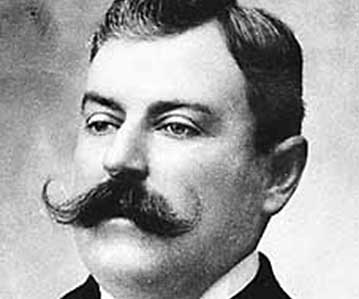
Forensic & Criminological Matrix
| Parameter | Forensic Detail |
|---|---|
| Forensic Heading / Aliases | Mateocho |
| Legal Identity | Mateo Banks y Keena |
| Confirmed Victims | 8 |
| Attributed / Indicted Victims | 8 |
| Active Timeline | April 18, 1922 |
| Jurisdiction / Area of Operations | Azul, Buenos Aires, Argentina |
| Criminological Classification | Spree killer |
| Forensic Modus Operandi | Use of firearm (Winchester rifle) following deception |
| Weapon / Mechanism of Death | Winchester rifle and strychnine (failed attempt) |
| Motive / Behavioral Dynamics | Bankruptcy, gambling addiction, and inheritance greed |
| Judicial Outcome | Life imprisonment (1923), released (1949) |
1. Background and Psychopathy
Born in 1872 to Irish immigrants, Mateo Banks was a respected figure in Azul, holding positions as a British vice-consul and a successful businessman. Behind this facade, he was a compulsive gambler whose financial ruin drove him to orchestrate the mass murder of his own family to secure his inheritance.
2. Crime Spree
On April 18, 1922, Banks systematically murdered eight people across two estates. He used a Winchester rifle to kill his siblings, sister-in-law, nieces, and two farmhands. He used psychological manipulation to lure victims into isolated areas before executing them.
3. Investigation and Arrest
Banks initially attempted to frame the deceased farmhands for the massacre. However, forensic evidence, including ballistics and the discovery that his 'defensive' wound was self-inflicted, led to his arrest and subsequent confession.
4. Legal Proceedings and Outcome
Following a high-profile trial in Azul and a subsequent appeal in La Plata, Banks was sentenced to life imprisonment. He served time in the Ushuaia prison, where he became known for his religious fervor. He was released in 1949, only to die shortly after in a domestic accident in Buenos Aires.