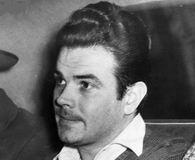
Forensic & Criminological Matrix
| Parameter | Forensic Detail |
|---|---|
| Forensic Heading / Aliases | None |
| Legal Identity | Edward Charles Pickens |
| Confirmed Victims | 2 |
| Attributed / Indicted Victims | 2 |
| Active Timeline | 1975 |
| Jurisdiction / Area of Operations | Casscoe, Arkansas, USA |
| Criminological Classification | Multiple murderer / Career criminal |
| Forensic Modus Operandi | Armed robbery, rape, and summary execution |
| Weapon / Mechanism of Death | Sawed-off shotgun and .22 caliber pistol |
| Motive / Behavioral Dynamics | Financial gain and witness elimination |
| Judicial Outcome | Death sentence by electrocution (executed 1994) |
1. Background and Psychopathy
Edward Charles Pickens was a career criminal with a history of robbery and gang-related activity in Detroit. His upbringing was marked by abuse and instability, which contributed to a pattern of escalating violence. By the time he arrived in Arkansas, he had already served time in Michigan, establishing a trajectory that would lead to the 1975 massacre.
2. Crime Spree
On October 20, 1975, Pickens and two accomplices, Antonio Clark and Sherwood Gooch, executed a brutal robbery at a rural grocery store in Casscoe. The perpetrators terrorized nine individuals, committed sexual assault, and systematically executed seven victims by shooting them in the back of the head. Wesley Noble was among the two fatalities.
3. Investigation and Arrest
Police in Memphis, Tennessee, intercepted the suspects in a stolen vehicle later that evening. The recovery of stolen property and the rape victim's wedding ring provided immediate physical evidence. Pickens provided a confession, though he attempted to shift the blame for the murders to his accomplice, Antonio Clark.
4. Legal Proceedings and Outcome
The legal case against Pickens became a landmark for the Sixth Amendment right to effective counsel. Federal courts eventually ruled that his trial attorney, Willis Plant, failed to conduct a proper investigation or present mitigating evidence during the sentencing phase. Despite these constitutional challenges, the death sentence was upheld, and Pickens was executed in 1994.