



Forensic & Criminological Matrix
| Parameter | Forensic Detail |
|---|---|
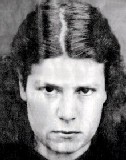
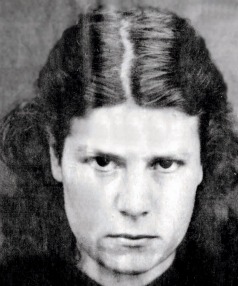
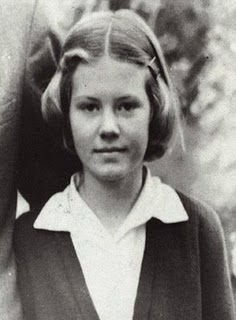
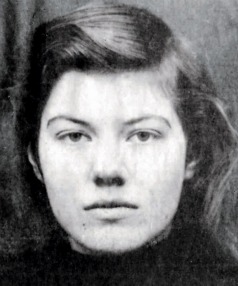
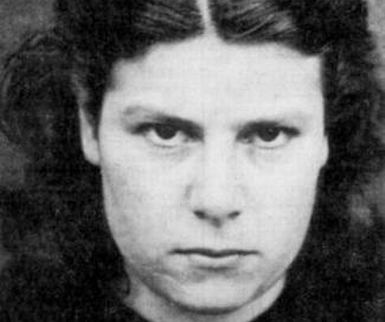
| Full Legal Name | Pauline Yvonne Parker (born Pauline Yvonne Rieper; later adopted the legal alias Hilary Nathan). |
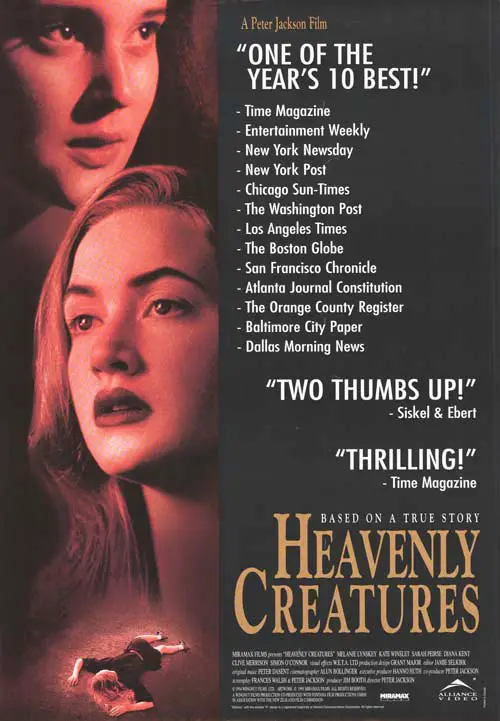
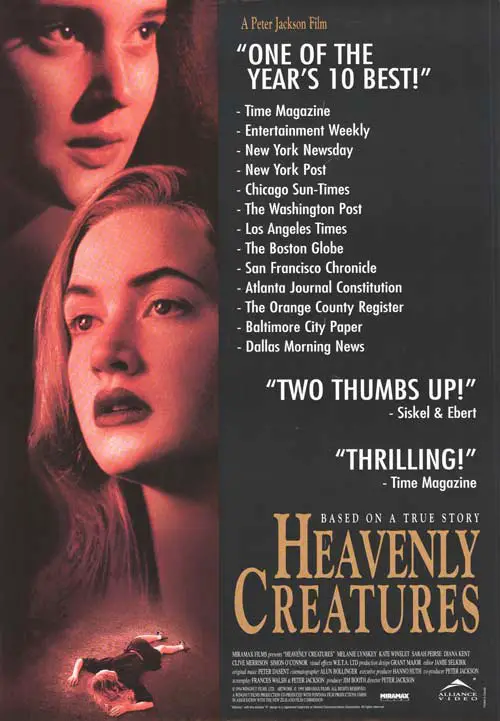
| Criminological and Cultural Landmark | The most analyzed parricide in New Zealand history; a textbook clinical example of adolescent folie à deux (shared delusional disorder) immortalized in Peter Jackson's Academy Award-nominated film Heavenly Creatures (1994), starring Melanie Lynskey and Kate Winslet. |
| Criminological Classification | Juvenile matricide in symbiotic co-perpetration / Shared delusional and obsessive codependency homicide. |
| Date of Crime | Tuesday, June 22, 1954 (approximately 3:30 PM). |
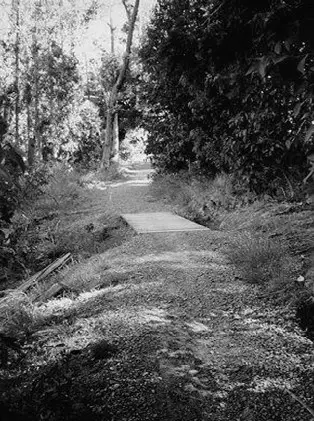
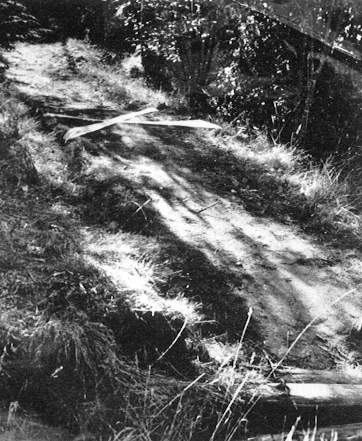
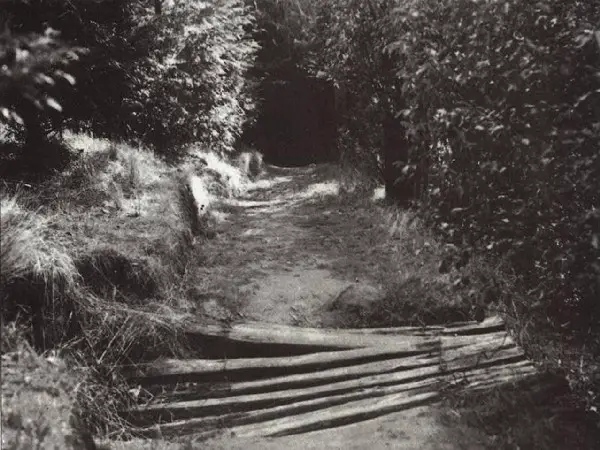
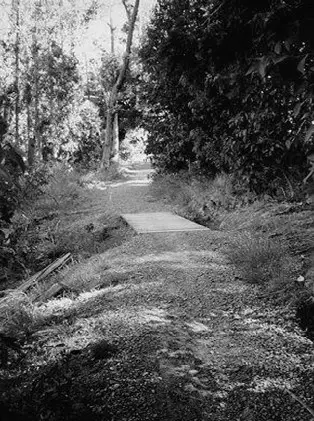
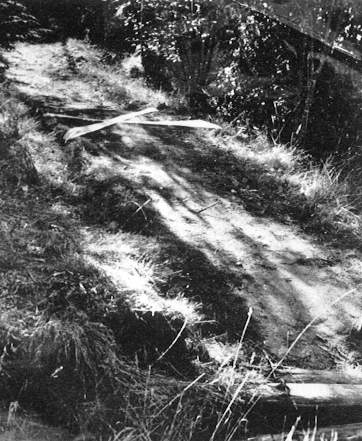
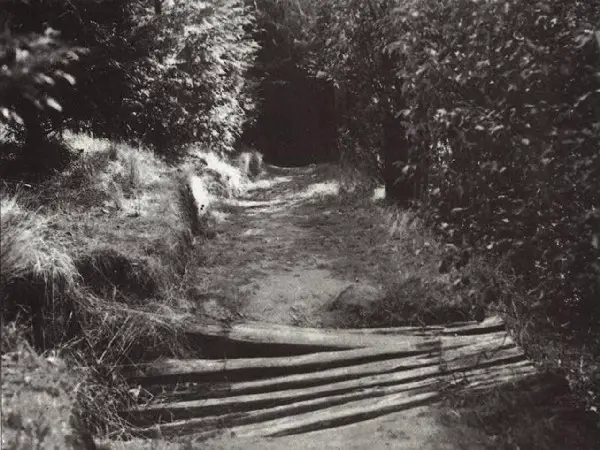
| Crime Scene | Wooded footpath in Victoria Park, Cashmere Hills, Christchurch (New Zealand). |
| Fatal Victim | Honora Mary Parker (aged 45, biological mother of Pauline). |
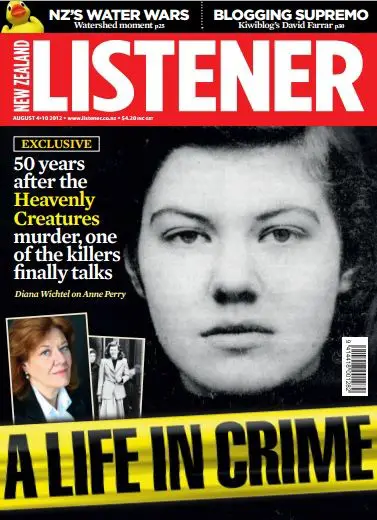
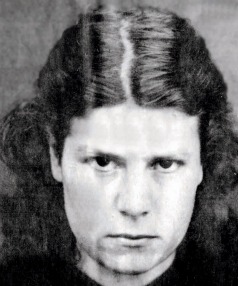
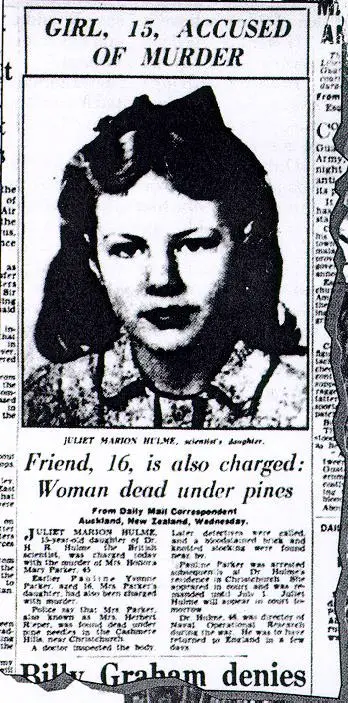
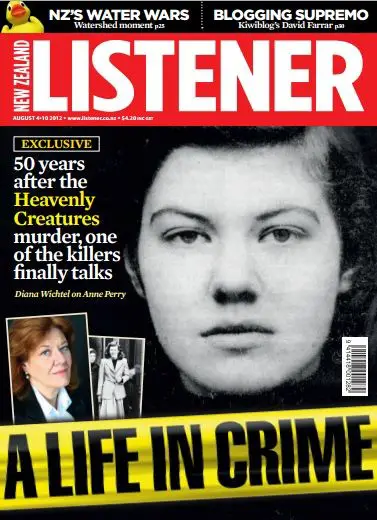
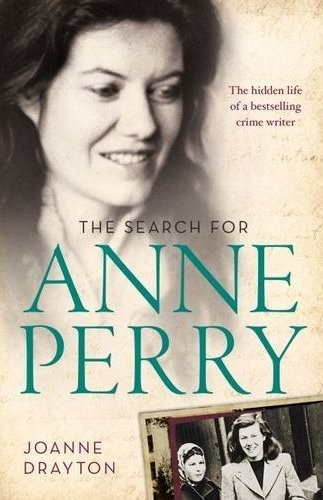
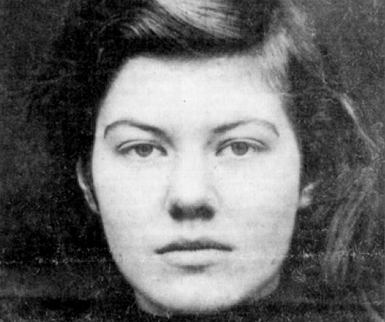
| Convicted Co-defendant | Juliet Marion Hulme (aged 15, her closest confidante, who decades later achieved international literary fame under the pen name Anne Perry). |
| Weapon Utilized | Half an abrasive clay house brick enclosed within an old woolen stocking. |
| Motive | Eliminating the sole perceived parental impediment preventing the two girls from remaining together and departing abroad following the divorce of Juliet's parents. |
| Judicial Disposition | Sentenced in August 1954 by the Christchurch Supreme Court to detention At Her Majesty's Pleasure; paroled in 1959 after serving five years under strict non-contact conditions. |
Introduction: The Delusion of Heavenly Creatures
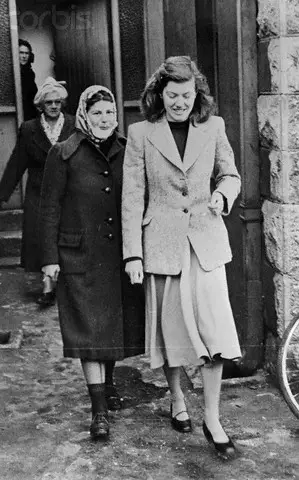
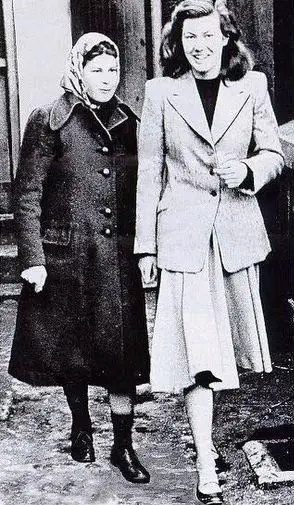
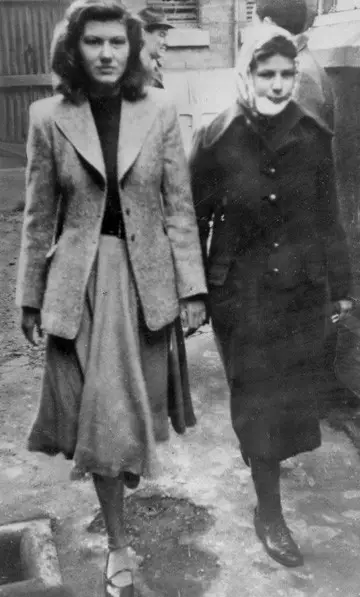
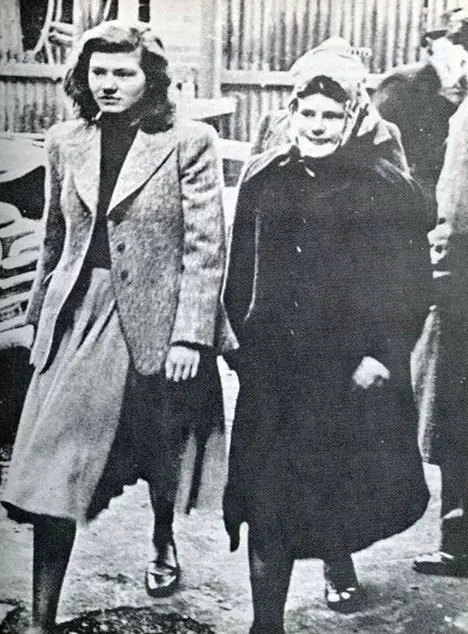
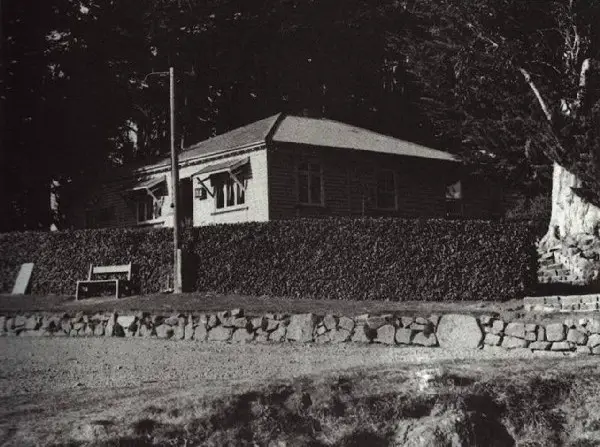
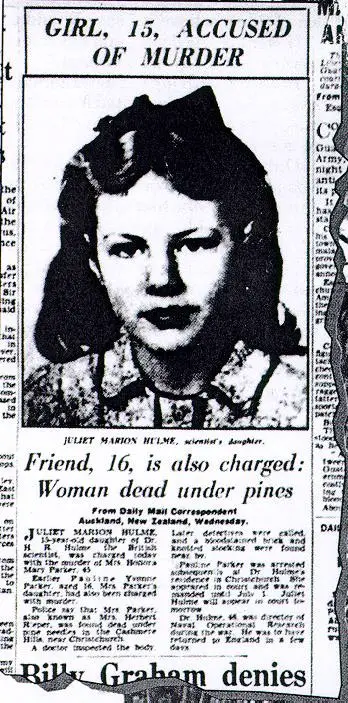
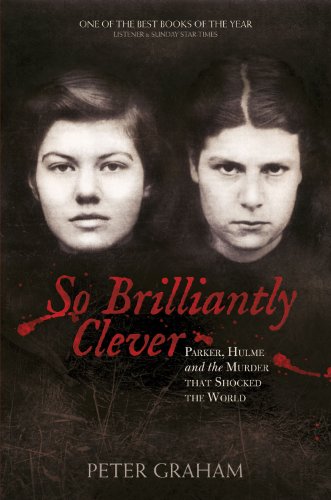
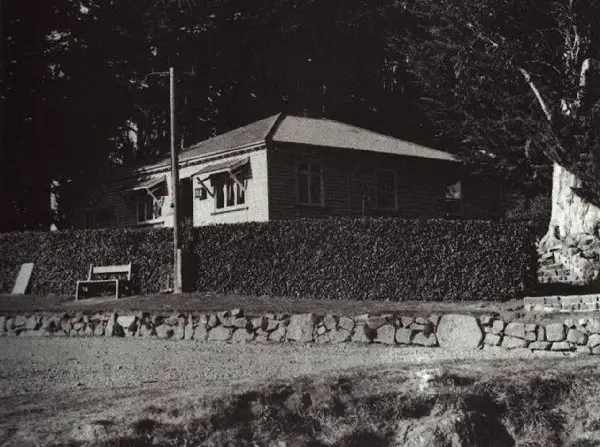
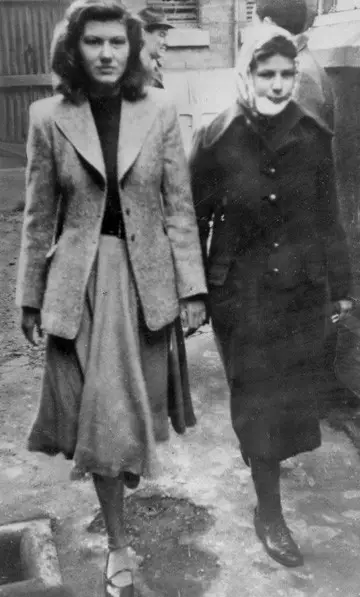
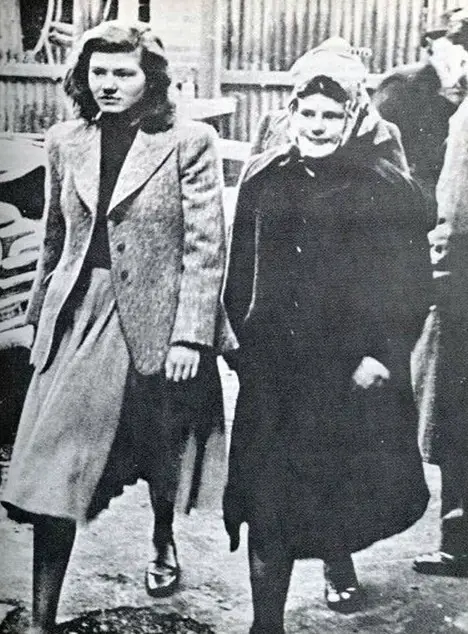
In the southern winter of 1954, the conservative Anglican enclave of Christchurch, New Zealand, was shaken by an act of unprecedented filial savagery. Along an isolated walking path in Victoria Park, two teenage girls from respectable backgrounds—Pauline Parker (16) and Juliet Hulme (15)—arrived breathless and covered in blood at a kiosk, claiming Pauline's mother had slipped on a stone and suffered a fatal fall.
Police detectives dispatched to the ravine immediately dismissed the accident narrative: Honora Parker had been systematically bludgeoned to death, sustaining forty-five distinct blunt-force impact fractures to her skull. When detectives recovered Pauline's handwritten diaries, they uncovered a clinical, day-by-day blueprint for matricide composed with chilling euphoria.
The Symbiotic Bond
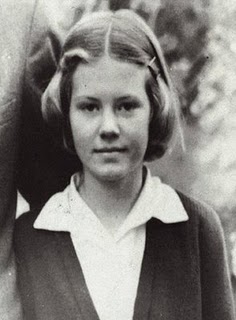
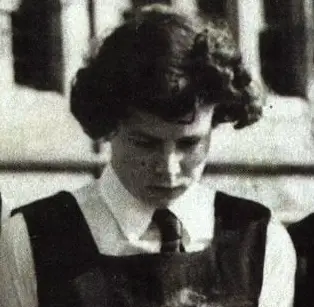
Pauline Parker, born in Christchurch in May 1938 to a working-class couple who operated a modest boarding house, contracted osteomyelitis in childhood, enduring painful surgeries that isolated her from athletics and peers.
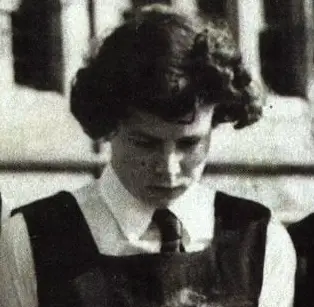
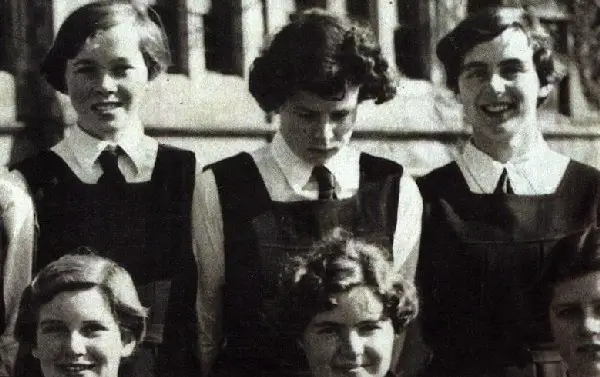
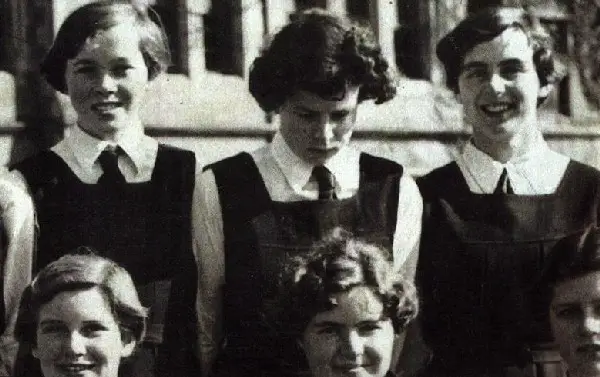
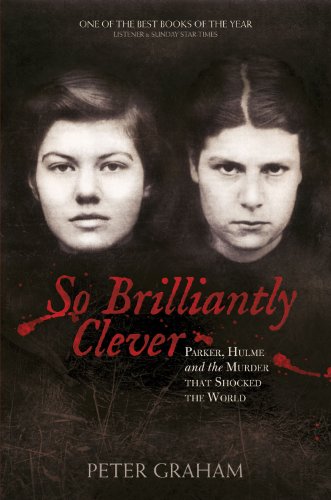
In 1952, at Christchurch Girls' High School, she encountered Juliet Hulme, an intellectually precocious English girl whose father was rector of Canterbury University College. Juliet had similarly endured childhood alienation due to severe tuberculosis.
The girls formed an intense, codependent attachment. Together they constructed an elaborate fantasy universe named "Borovnia," inventing private monarchies, genealogies, and a proprietary dialect. They convinced themselves that their creative communion unlocked access to a mystical "Fourth Dimension," viewing conventional adults as dull impediments to their artistic destiny.
The Crisis and The Matricidal Blueprint
In early 1954, their sheltered dynamic fractured: Juliet's parents announced an acrimonious divorce, and her father resigned his university post. Arrangements were made to send Juliet to South Africa to convalesce with relatives.
Determined to prevent separation, the girls resolved that Pauline would accompany Juliet abroad. However, Pauline's mother, Honora Parker, troubled by her daughter's obsessive attachment, academic decline, and psychological isolation, refused to grant parental permission.
In the teenagers' minds, Honora became the sole enemy of their union. Pauline recorded their lethal deliberations in her journal:
- April 28, 1954: "We discussed our plan for moidering mother. It is a wonderful idea... I feel so happy."
- June 21, 1954 (day prior): "Tomorrow is the day of the moider. I feel strangely thrilled but not nervous. How exciting it is to plan an assassination."
Ambush at Victoria Park
On the afternoon of June 22, 1954, under the guise of an affectionate farewell excursion before Juliet's departure, the girls brought Honora Parker to Victoria Park:
- Concealed inside Pauline's satchel was a heavy clay brick tied securely into an old woolen stocking.
- Descending a secluded, overgrown trail, Juliet dropped a pink ornamental pebble on the path to distract Honora.
- When the mother bent down to examine the stone, Pauline struck her on the crown of the head with the brick.
- When Honora remained conscious and screamed for help, both girls pinned her to the dirt. Taking turns wielding the improvised bludgeon, they struck her skull forty-five times, pulverizing the bone.
- Believing they had fabricated a convincing alibi, they ran shrieking to the park tea house, claiming the victim had tumbled onto rocks.
The Unraveling and Supreme Court Trial
The fabrication collapsed within hours. Forensics established deliberate homicide, and searchers discovered the bloodied brick concealed in roadside shrubs. That evening, Detective Bill Brown uncovered Pauline's diaries detailing the murder.
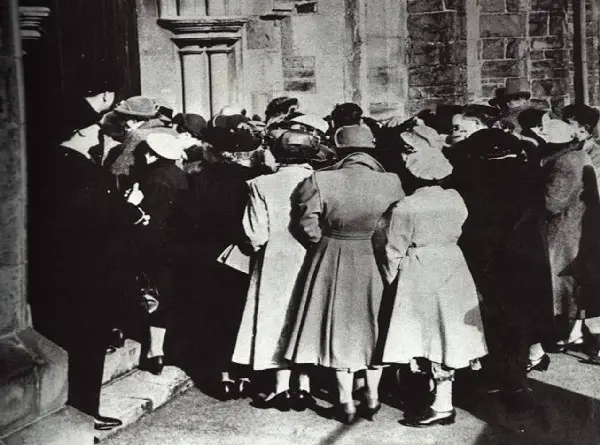
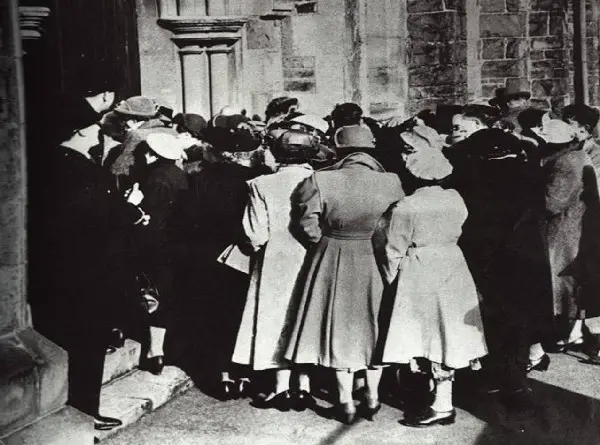
The sensational trial commenced at the Christchurch Supreme Court in August 1954. The defense mounted a plea of insanity based upon folie à deux, asserting the teenagers were trapped in a shared paranoic delusion. Crown medical experts countered that the girls' attempts to stage an accident demonstrated full moral and cognitive appreciation of the criminality of their act.
Because both perpetrators were under eighteen, they were spared the death penalty and sentenced to indefinite detention At Her Majesty's Pleasure.
Parole and Subsequent Lives
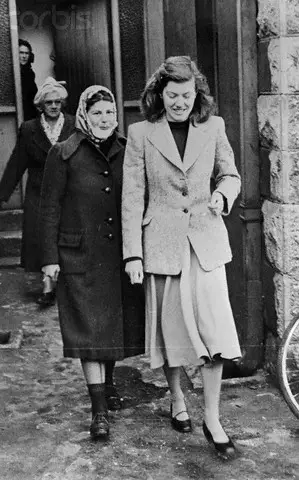
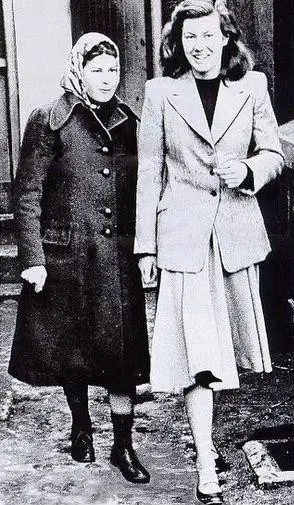
Both served five years in separate correctional facilities and were granted parole in 1959 under the strict condition that they never communicate again.
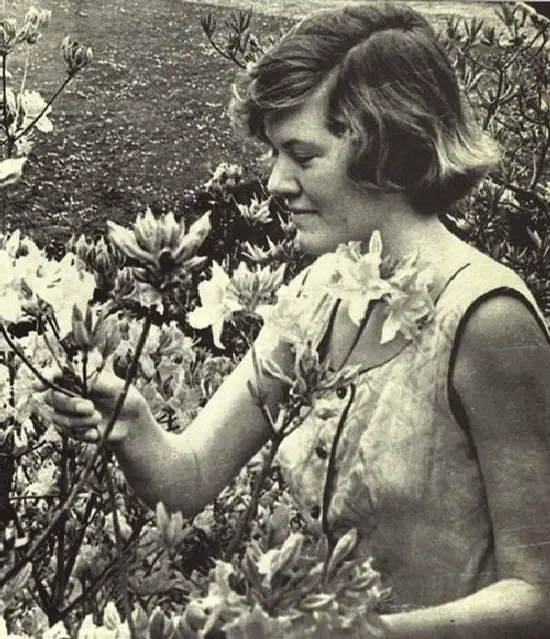
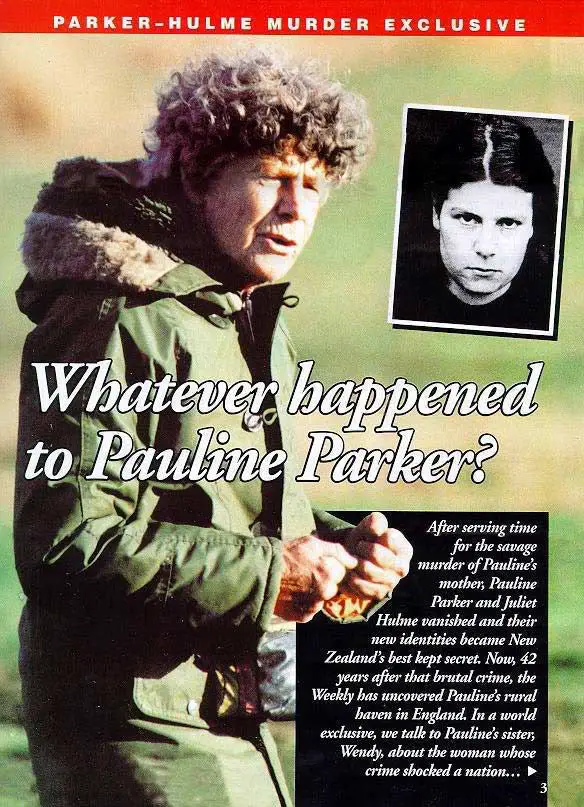
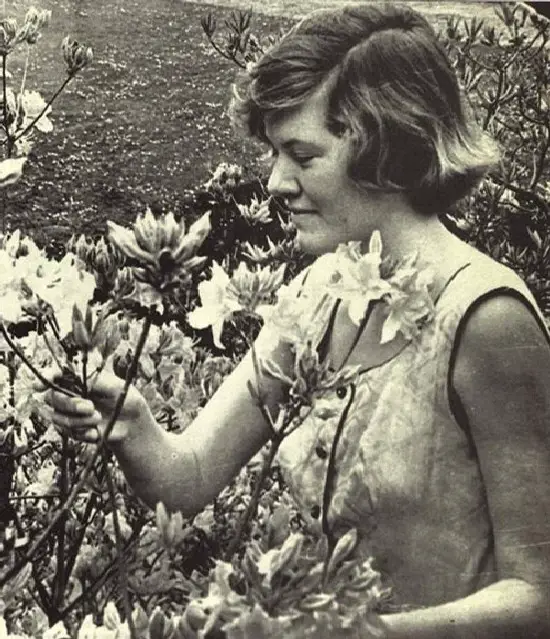
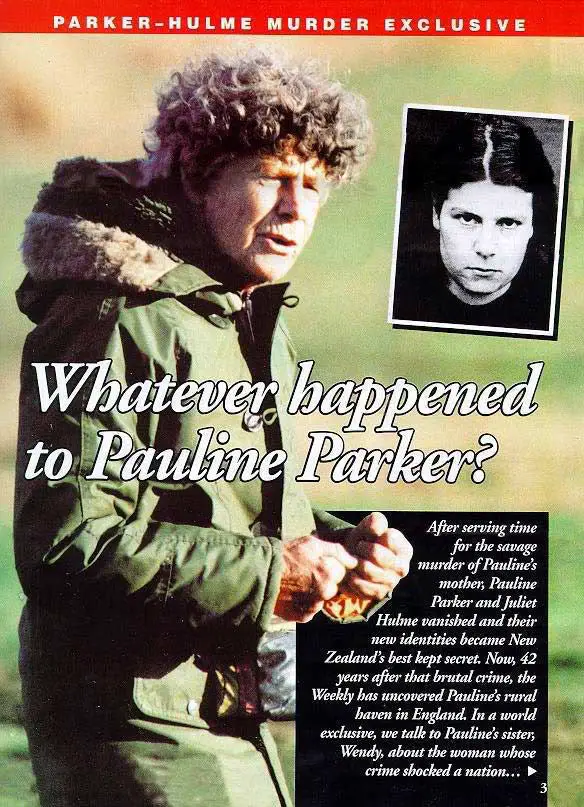
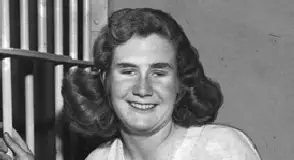
Pauline Parker legally changed her name to Hilary Nathan, converted to Roman Catholicism, and relocated to the village of Hoo in Kent, England. She established a quiet life operating an equestrian riding school for disabled children, remaining in total seclusion until her identity was disclosed by investigative journalists in 1997 following the success of Jackson's film.