




Forensic & Criminological Matrix
| Parameter | Forensic Detail |
|---|---|
| Forensic Heading / Aliases | Beulah Louise Overell |
| Legal Identity | Beulah Louise Overell |
| Confirmed Victims | 2 (Adoptive parents Walter and Beulah Overell) |
| Active Timeline | March 1947 |
| Jurisdiction / Area of Operations | Orange County, California, United States |
| Criminological Classification | Contract-style Parricide / Financially Motivated Homicide |
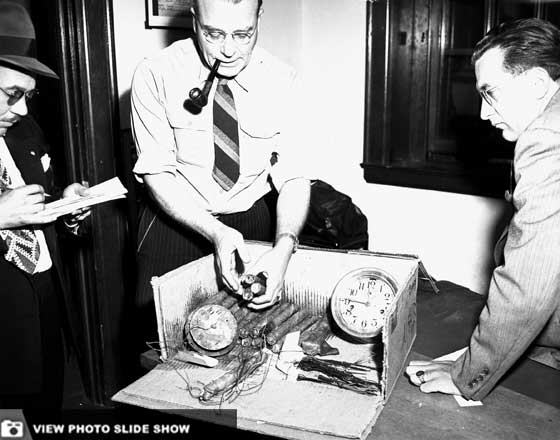
| Forensic Modus Operandi | Placement of high explosives (dynamite) aboard the family yacht to simulate a catastrophic maritime accident |
| Weapon / Mechanism of Death | Dynamite charges and timing detonators |
| Motive / Behavioral Dynamics | Financial gain (inheritance) and desire for autonomy to pursue a romantic relationship |
| Judicial Outcome | Acquitted by a jury in 1947 following a high-profile trial |
1. Background and Profile
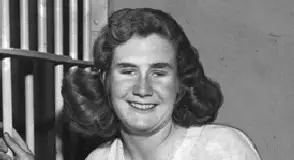
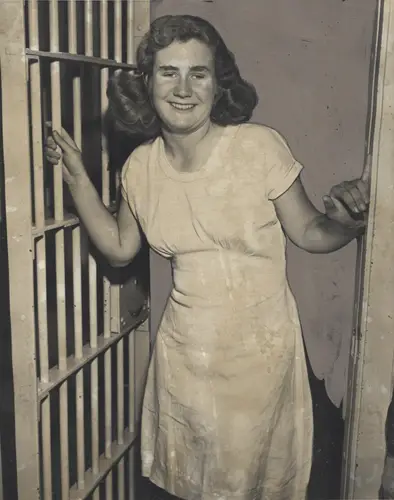
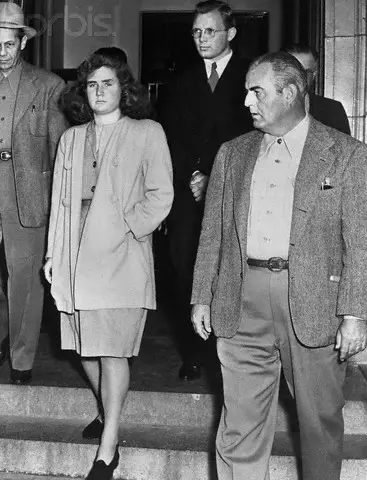
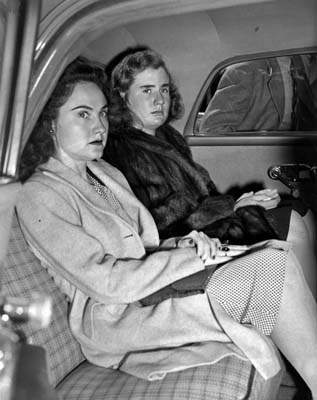
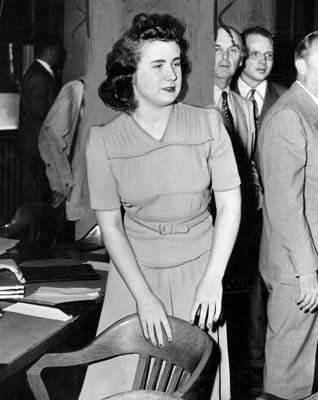
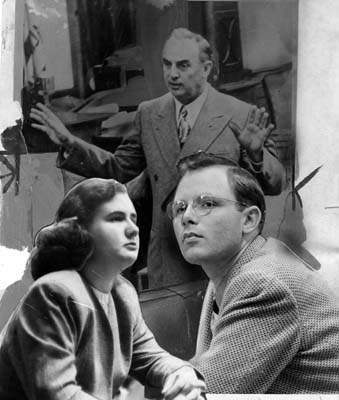
Beulah Louise Overell was a privileged young woman from Southern California, adopted by wealthy industrialist Walter Overell and his wife Beulah. Her affluent upbringing was disrupted when she engaged in a romance with George Gollackner Jackie, a former serviceman. Her adoptive parents strongly disapproved of the relationship, creating severe domestic friction and a desire in the young couple to break free from parental control.
2. Crime Spree
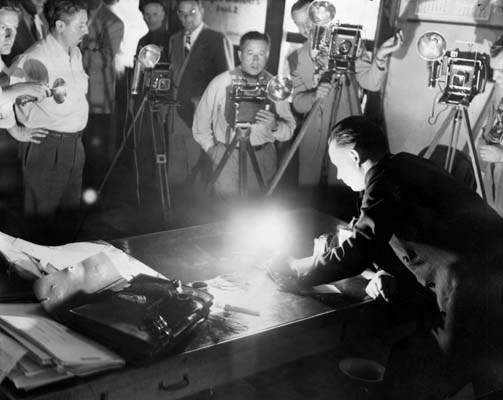
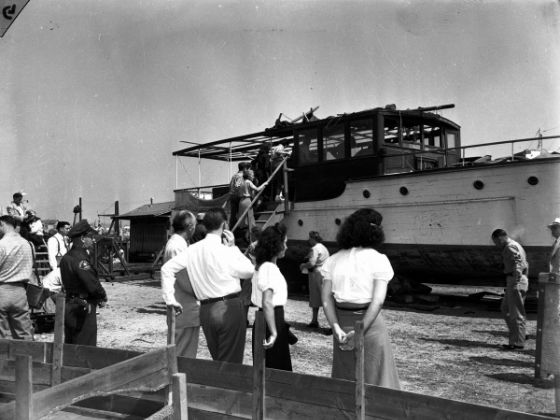
In March 1947, the Overell family yacht, moored off the coast of Southern California, was obliterated by a massive explosion and subsequent fire. The violent blast decimated the vessel and left virtually no identifiable remains of Walter and Beulah Overell aside from small bone fragments. Forensic analysis quickly dismantled the theory of a mechanical failure, confirming that commercial dynamite had been deliberately planted inside the cabin.
3. Investigation and Arrest
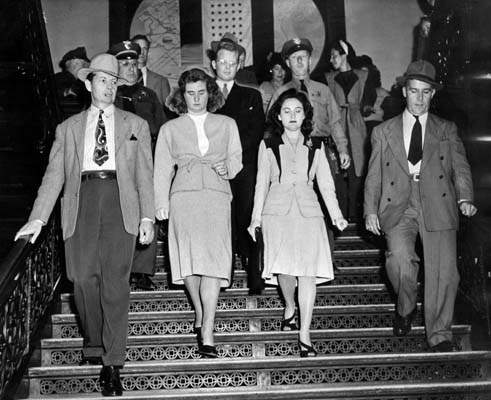
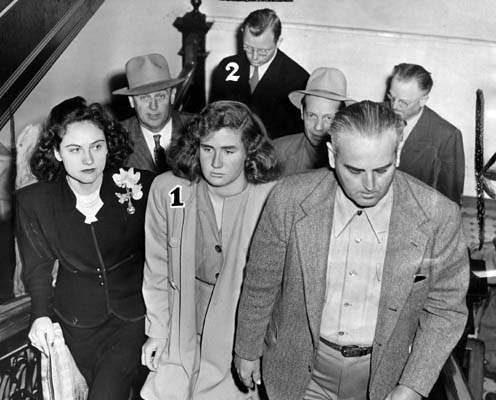
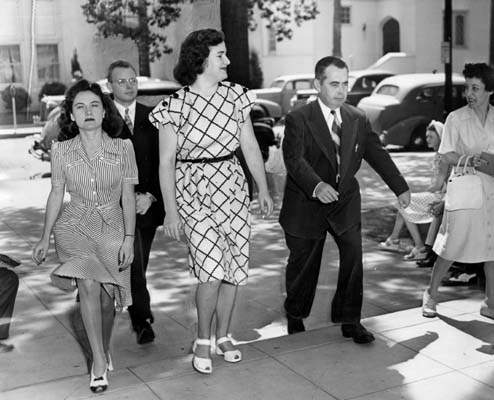
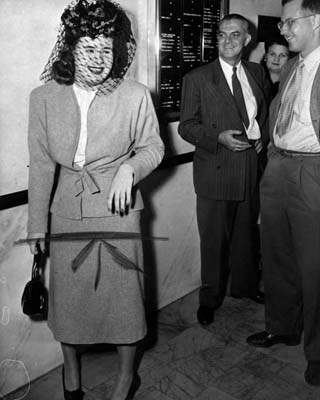
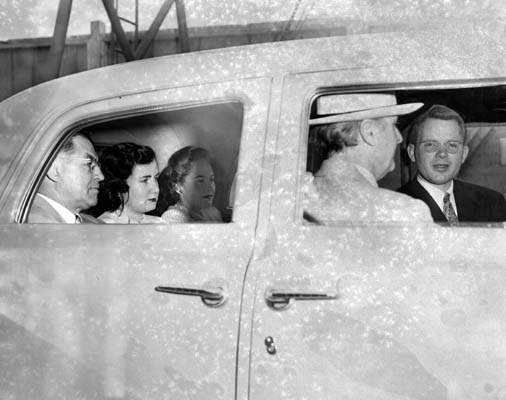
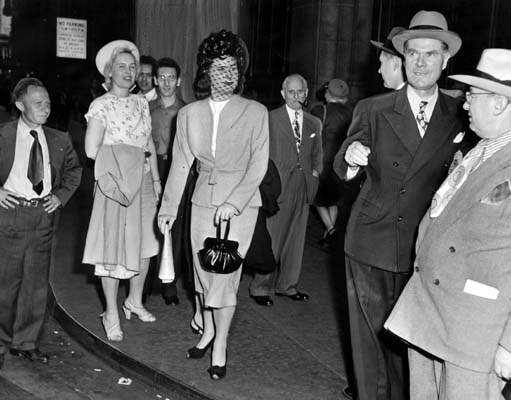
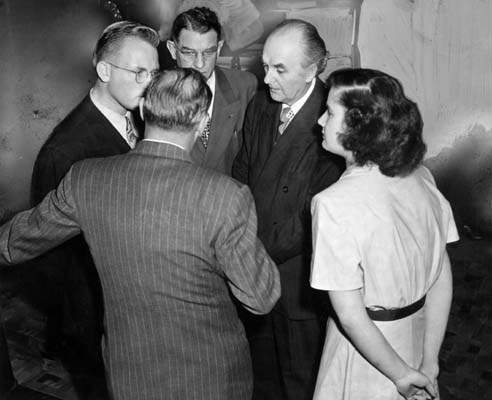
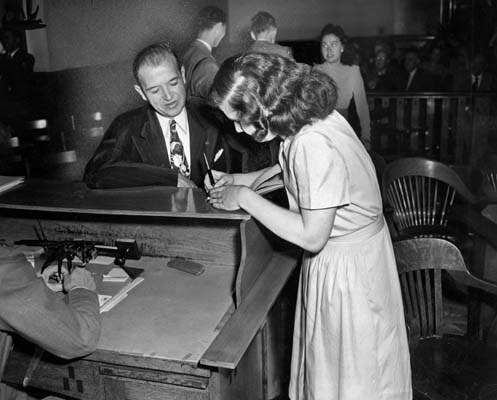
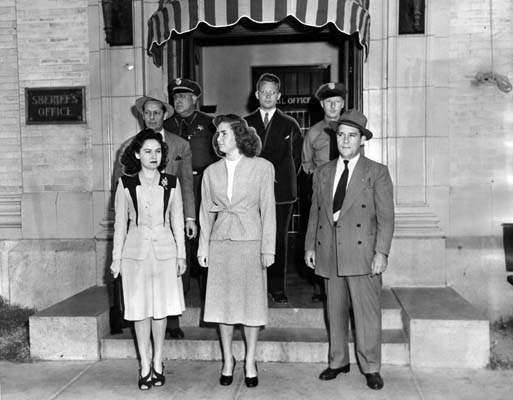
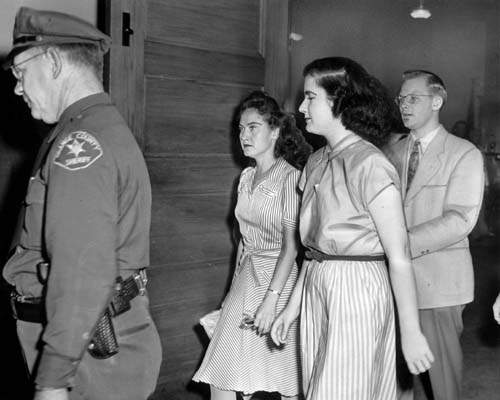
Detectives focused their attention on Beulah Louise and George Jackie after uncovering records showing they had recently purchased dynamite and detonators using aliases. Forensic experts matched the explosive residue and purchasing patterns to the suspects. The investigation captivated the American public, framing the case as a chilling combination of youthful rebellion and cold-blooded greed.
4. Legal Proceedings and Outcome
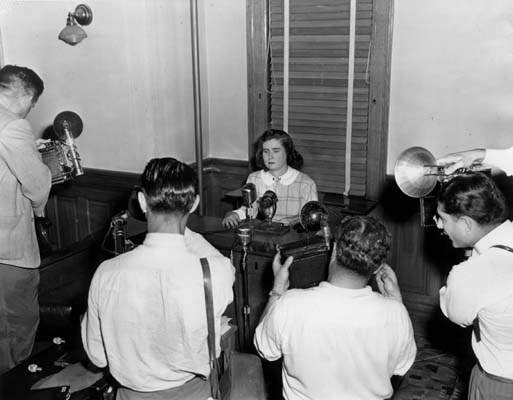
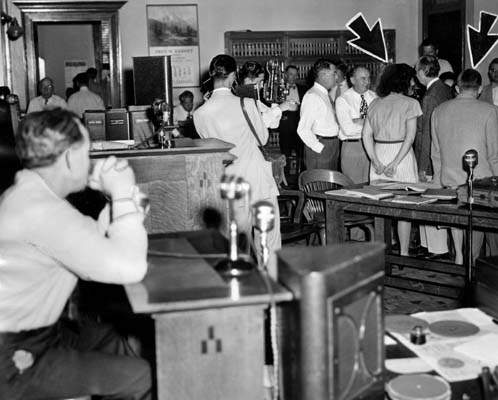
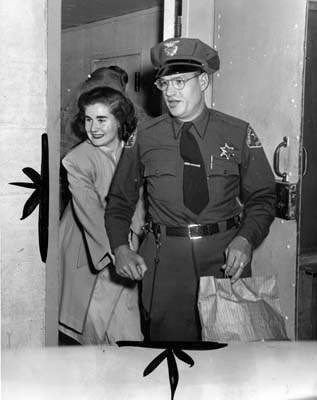
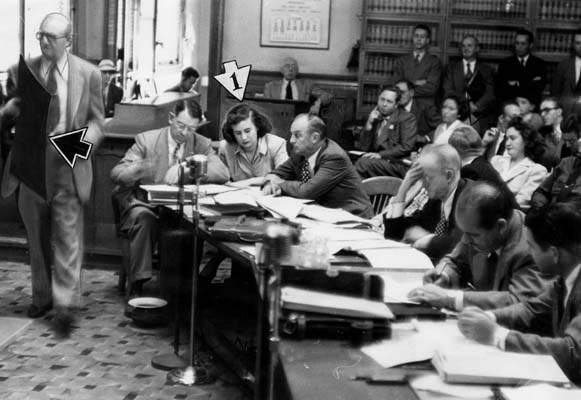
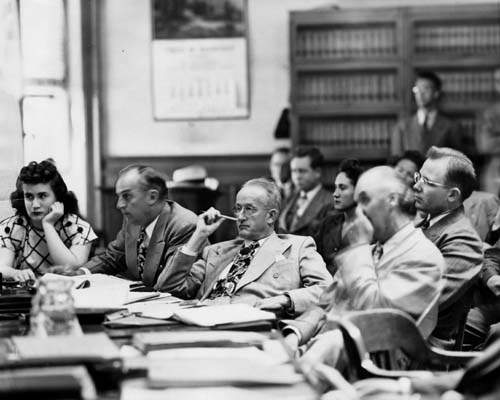
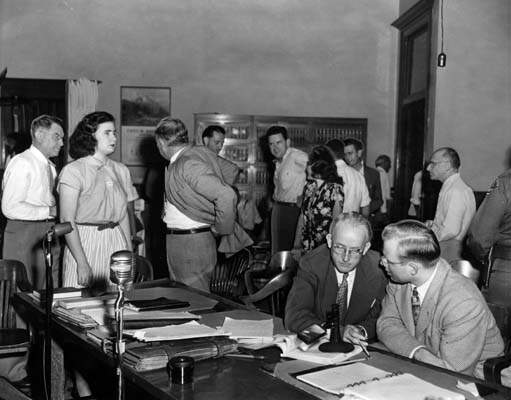
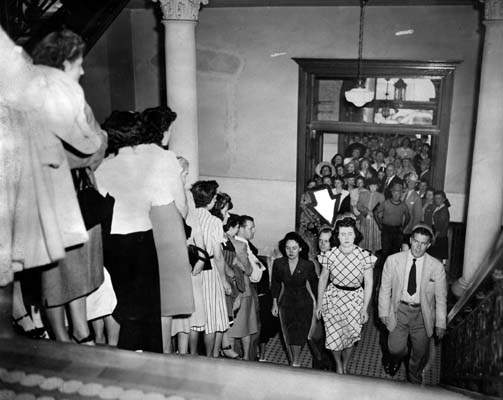
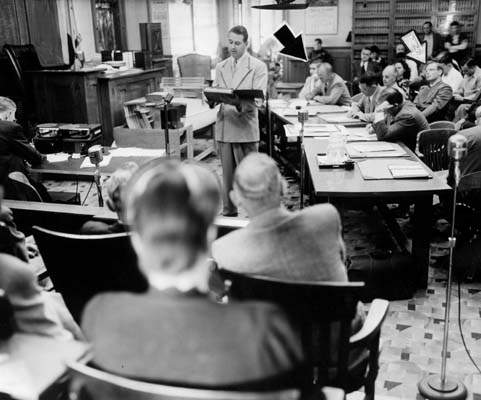
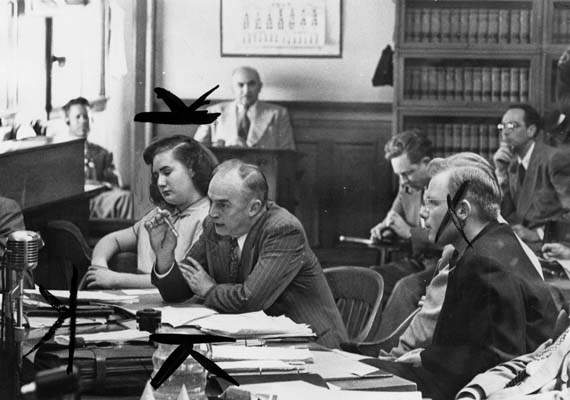
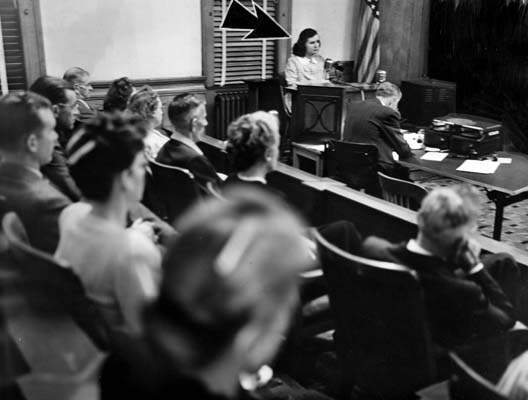
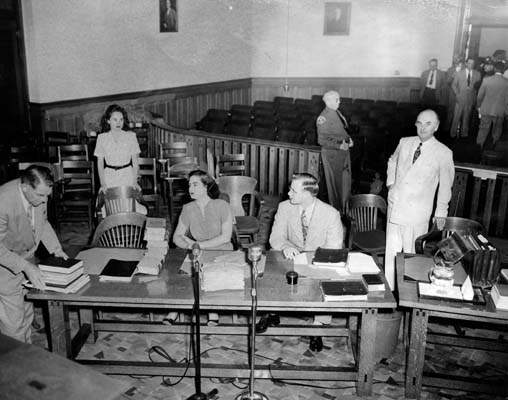
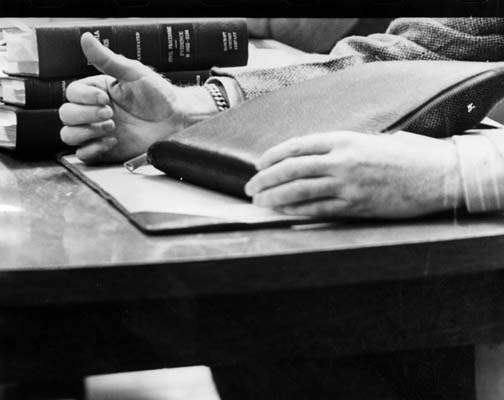
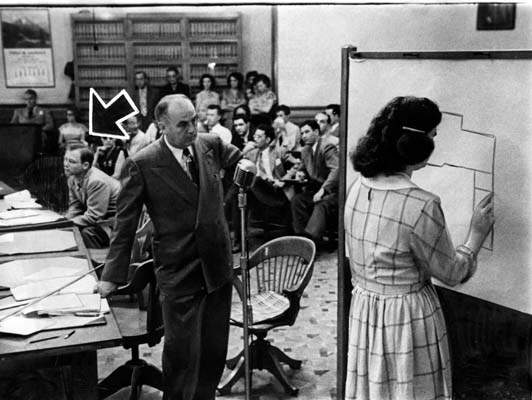
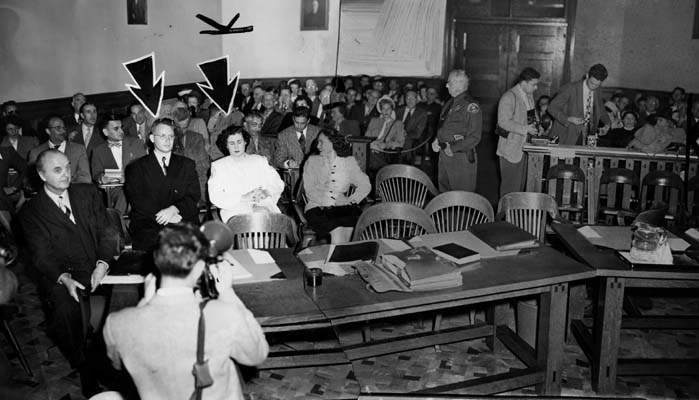
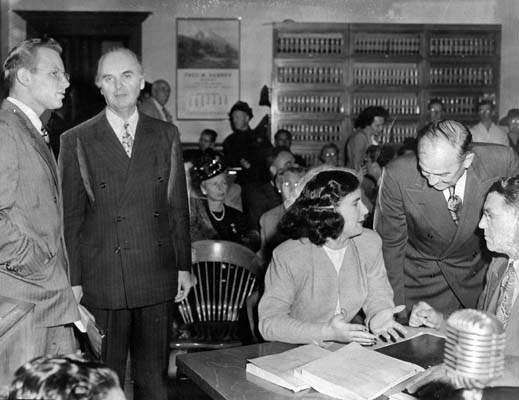
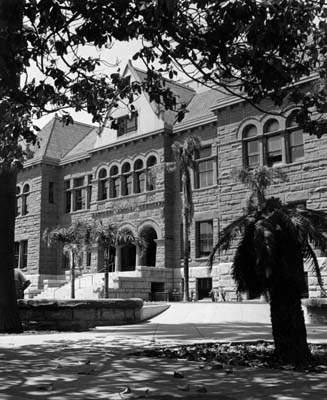
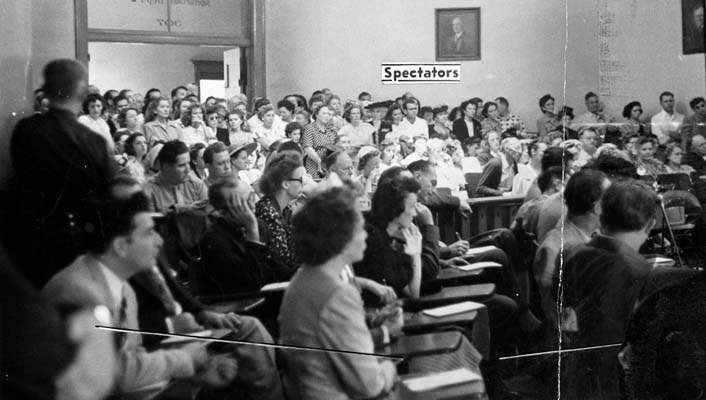
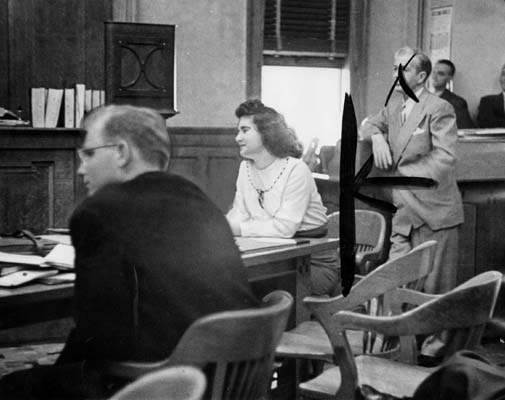
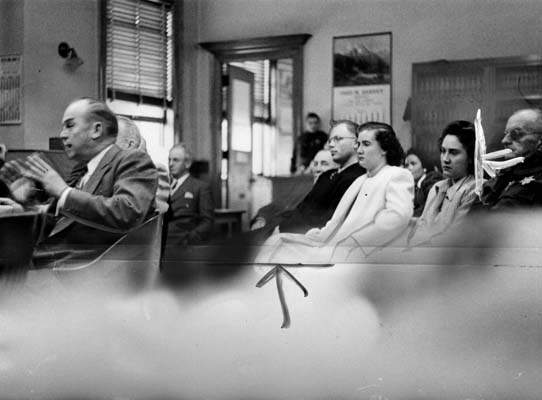
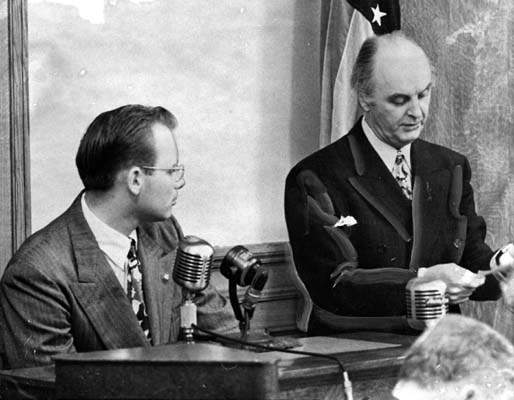
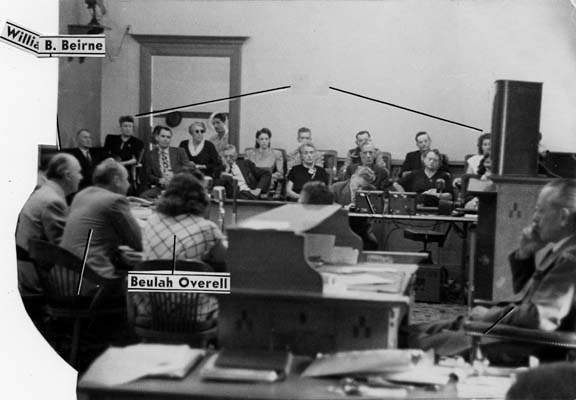
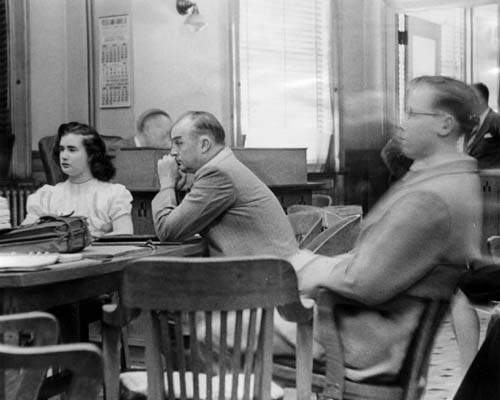
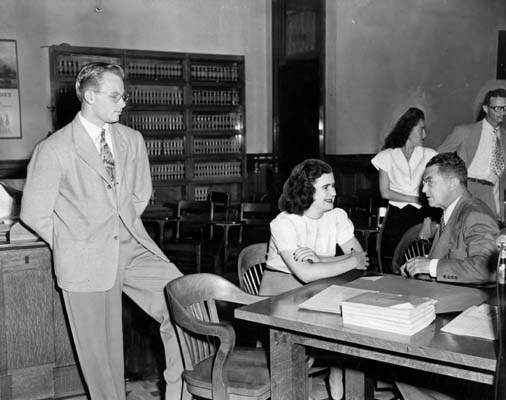
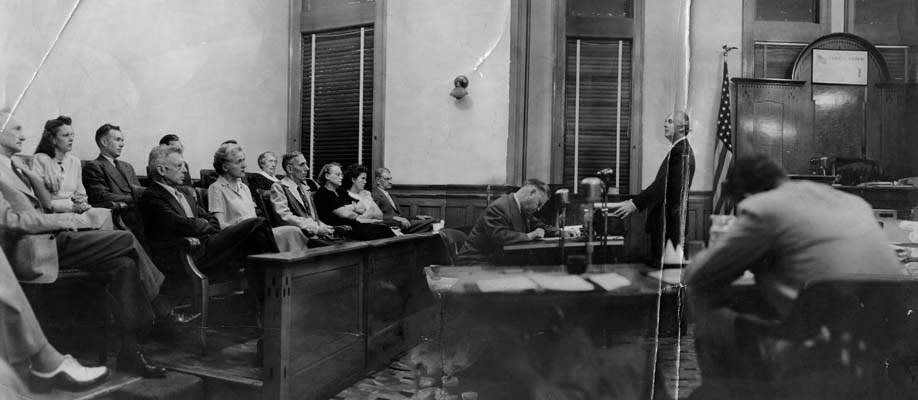
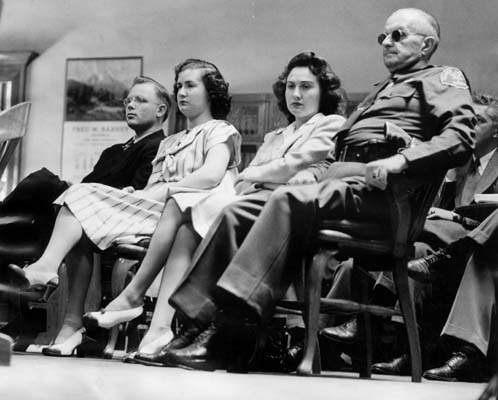
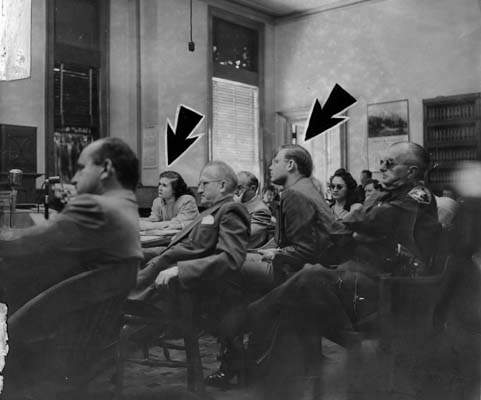
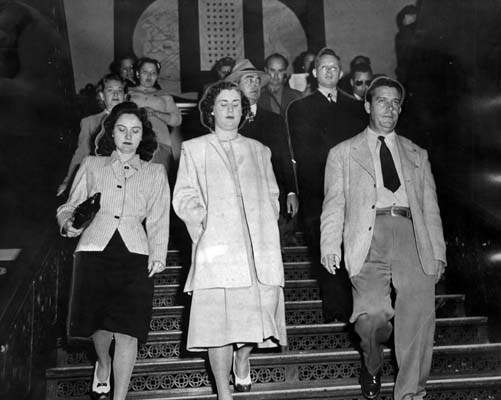
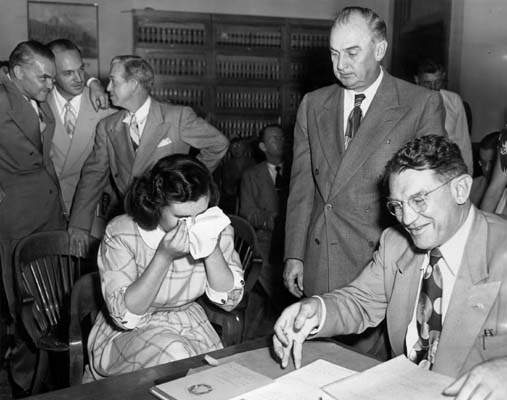
The ensuing trial in late 1947 became a sensational media circus. Prosecutors presented extensive circumstantial evidence, including testimonies regarding the acquisition of explosives and the prospective inheritance. However, skilled defense attorneys successfully countered the state's narrative, exploiting minor discrepancies in the forensic timeline and creating reasonable doubt among the jurors.
5. Psychological Evaluation and Aftermath
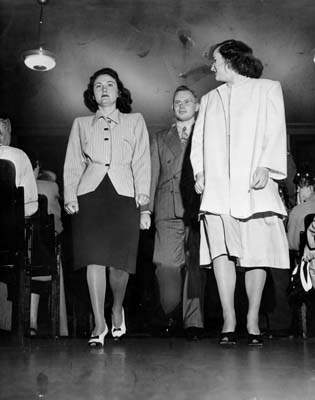
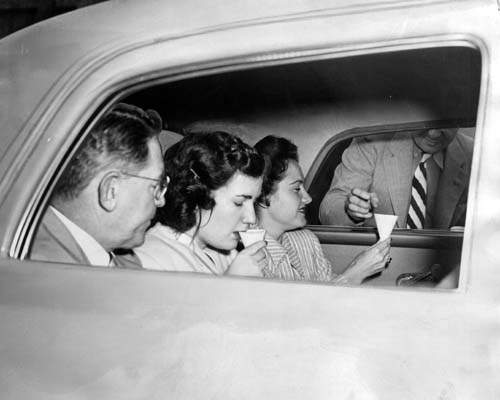
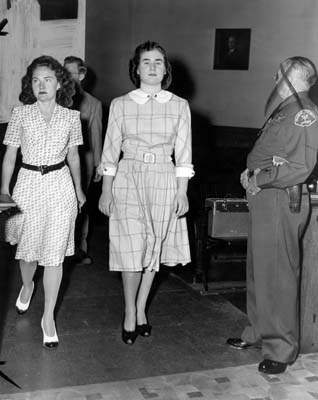
In November 1947, the jury returned a verdict of not guilty for both Beulah Louise Overell and George Jackie. Despite widespread public skepticism regarding the verdict, Overell was discharged and regained access to aspects of her family's estate, eventually fading into obscurity under an assumed identity.