



Forensic & Criminological Matrix
| Parameter | Forensic Detail |
|---|---|
| Forensic Heading / Aliases | Mrs. Pace |
| Legal Identity | Beatrice Annie Pace |
| Confirmed Victims | 1 (Harry Pace) |
| Active Timeline | 1927 - 1928 |
| Jurisdiction / Area of Operations | Coleford, Gloucestershire, United Kingdom |
| Criminological Classification | Spousal homicide suspect / Poisoner |
| Forensic Modus Operandi | Surreptitious administration of toxic substances |
| Weapon / Mechanism of Death | Arsenic |
| Motive / Behavioral Dynamics | Severe marital discord and domestic abuse environment |
| Judicial Outcome | Acquitted by jury trial |
1. Background and Psychopathy
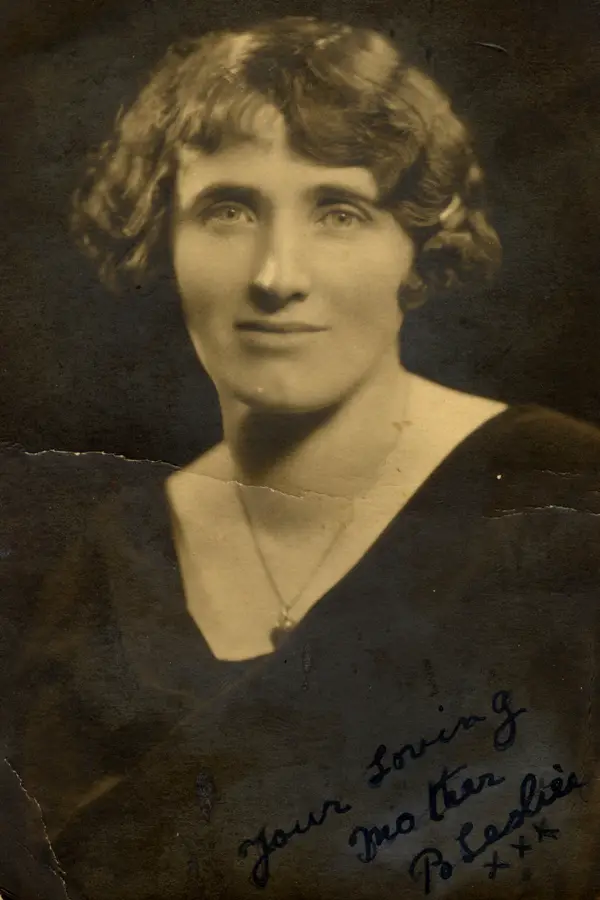
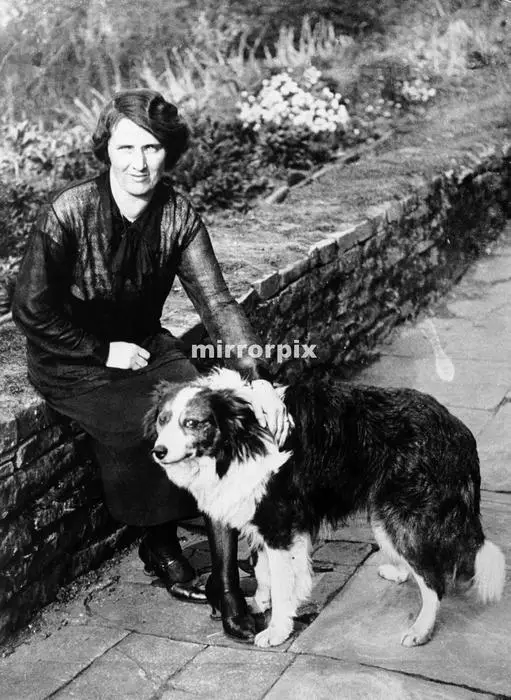
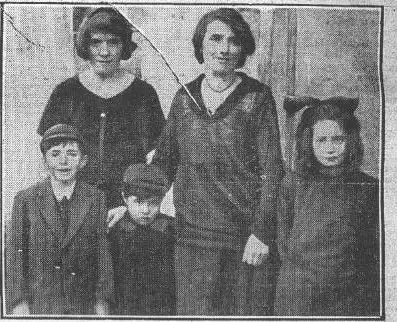
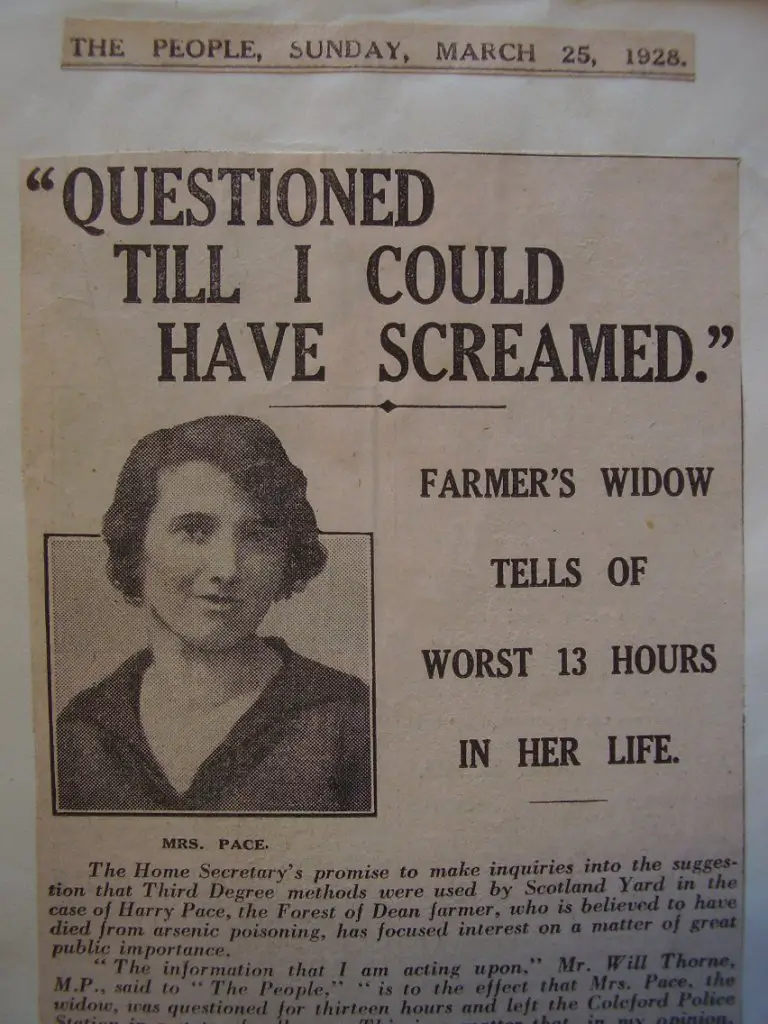
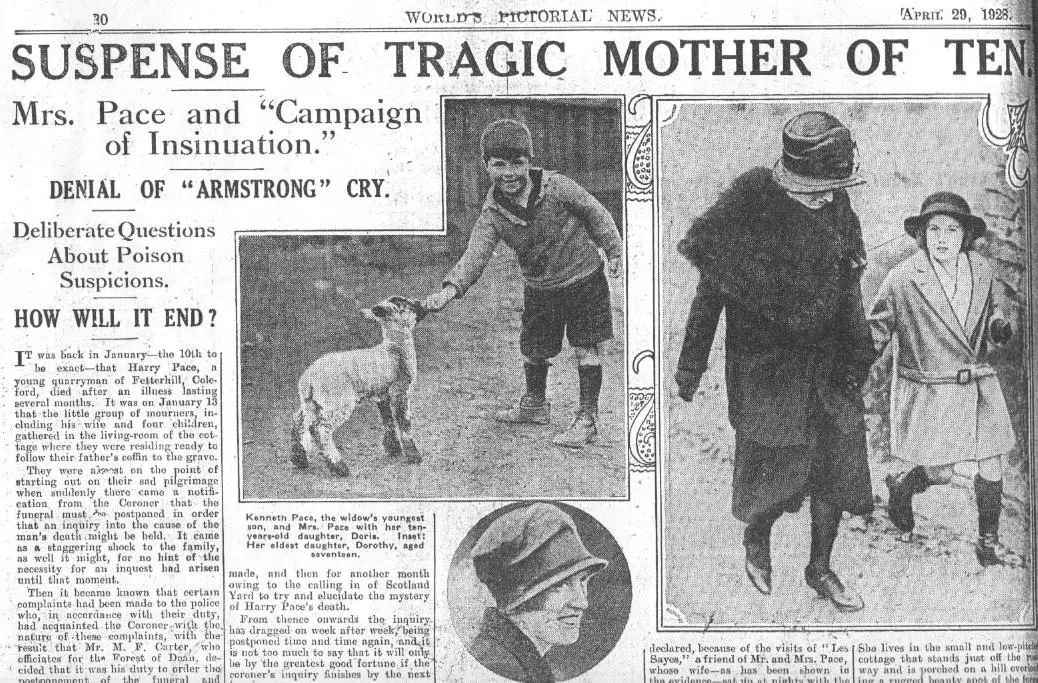
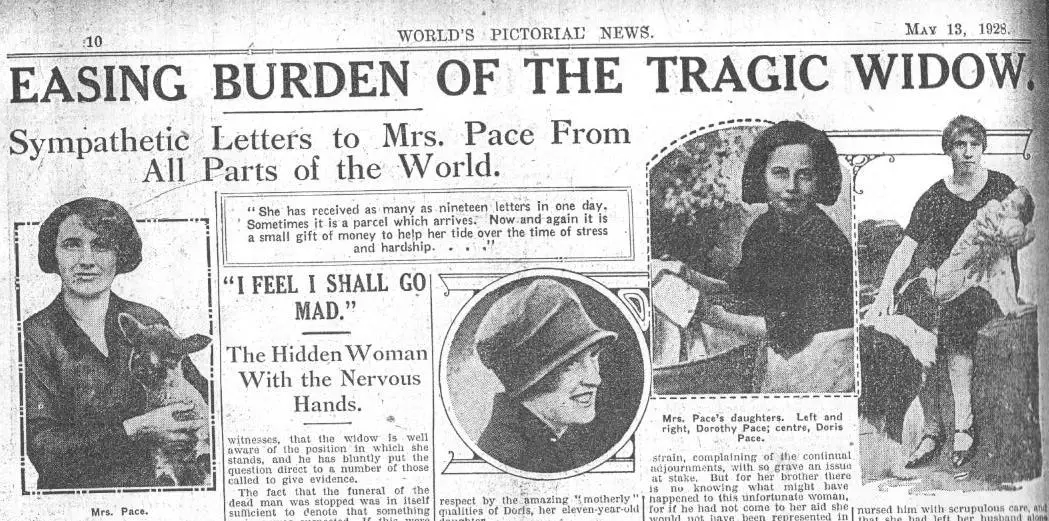
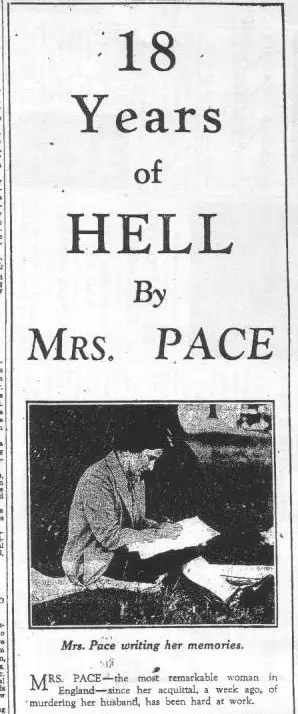
Beatrice Annie Pace resided in Coleford, Gloucestershire, within a marriage characterized by profound tension and alleged domestic friction alongside her husband, Harry Pace. The socio-legal climate of the era placed women in complex positions regarding domestic abuse, establishing a backdrop later scrutinized by legal historians and criminologists.
2. Crime Spree
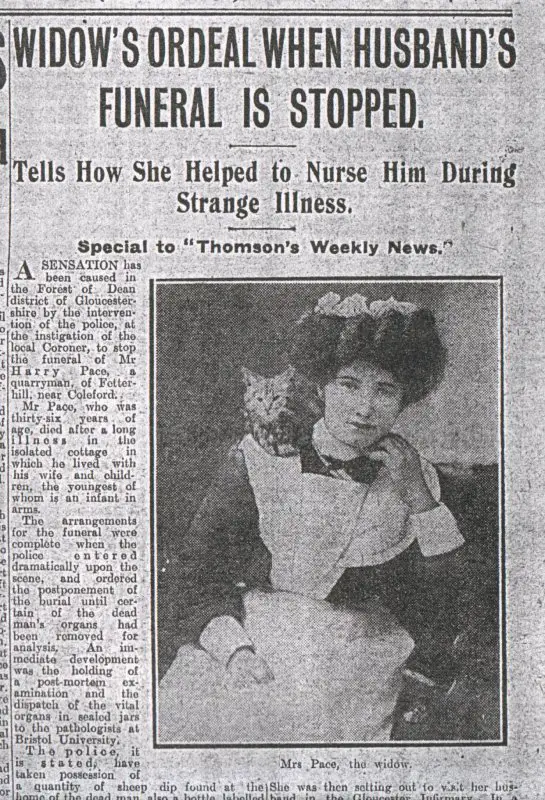
The case revolves around the sudden illness and subsequent death of Harry Pace. Post-mortem examinations detected significant traces of arsenic within the victim's bodily tissues, prompting forensic investigators to treat the death as a criminal poisoning and initiate inquiries into potential administration vectors.
3. Investigation and Forensic Pursuit
Law enforcement concentrated investigative efforts on the domestic sphere, targeting Beatrice due to her daily proximity to the victim and alleged marital grievances. Toxicological evidence gathering formed the backbone of the police investigation during a transitional era for forensic science in British courts.
4. Legal Proceedings and Outcome
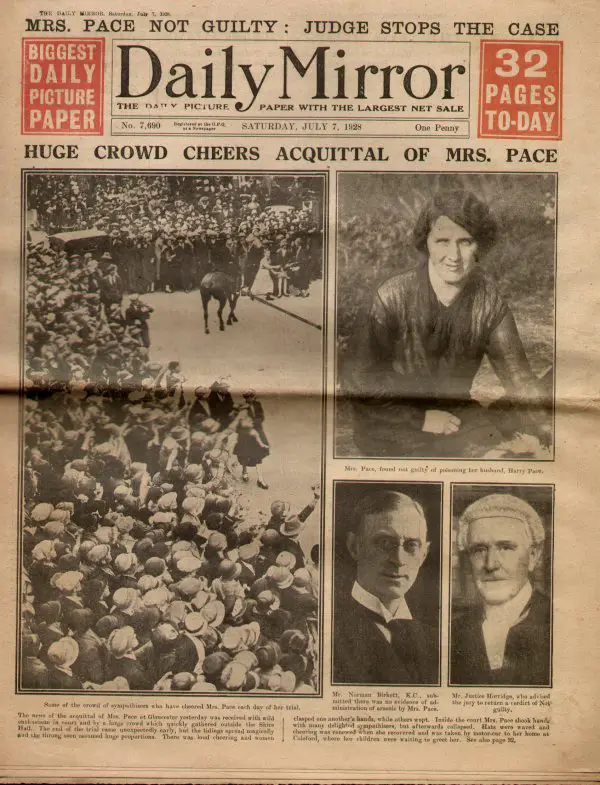
Arrested and prosecuted for murder, Beatrice Pace became the center of a nationally observed trial. The legal arguments heavily debated the interpretation of circumstantial evidence and the ambiguities surrounding female victimization and culpability within toxicological cases.
5. Psychiatric Evaluation and Final Resolution
The jury ultimately acquitted Beatrice Pace, as the prosecution failed to establish definitive proof linking her conclusively to the administration of the lethal substance. The case remains a prominent study in British legal history.