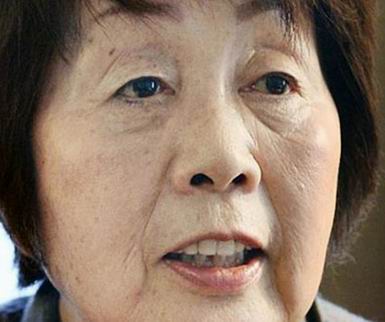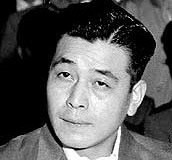





Forensic & Criminological Matrix
| Parameter | Forensic Detail |
|---|---|
| Forensic Heading / Aliases | null |
| Legal Identity | Masaru Okunishi |
| Confirmed Victims | 0 |
| Attributed / Indicted Victims | 5 |
| Active Timeline | 1961 |
| Jurisdiction / Area of Operations | Kuzuo, Nabari, Mie, Japan |
| Criminological Classification | Poisoner (Wrongful conviction case) |
| Forensic Modus Operandi | Contamination of beverages with pesticides |
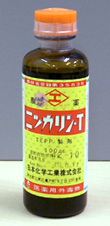
| Weapon / Mechanism of Death | Pesticide in wine |
| Motive / Behavioral Dynamics | Undetermined / Coerced confession |
| Judicial Outcome | Death sentence (1969), died in prison (2015) |
1. Background and Psychopathy
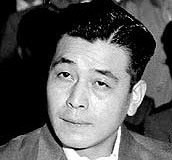
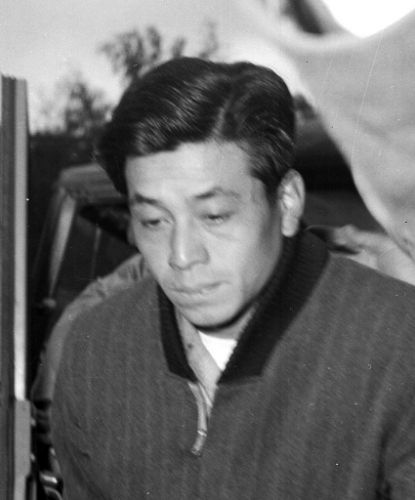
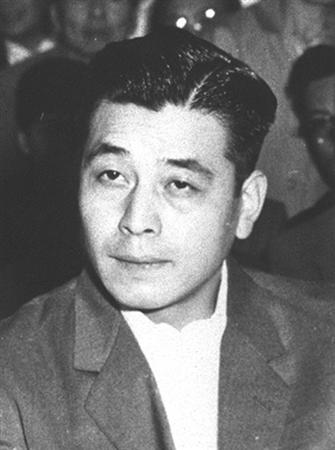
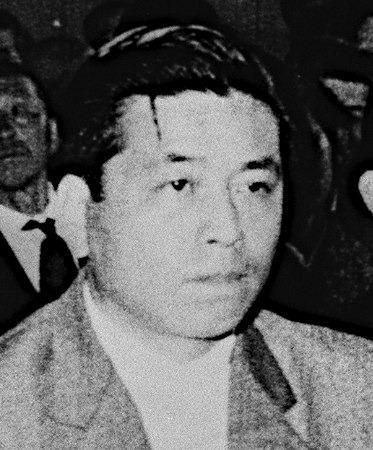
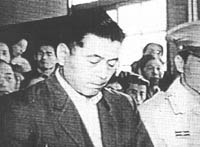
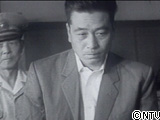
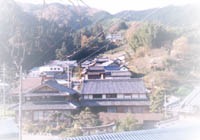
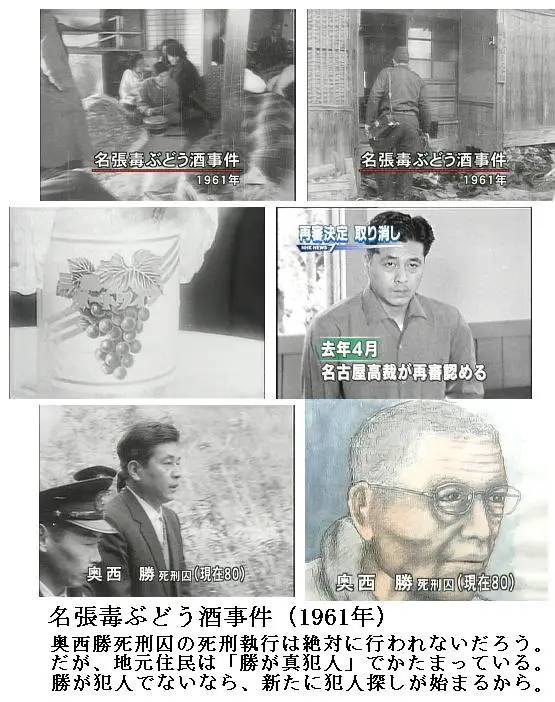
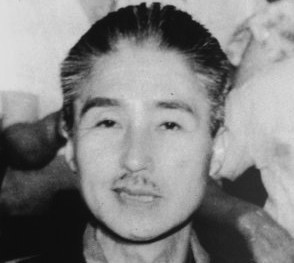
Masaru Okunishi (1926–2015) was a farmer from the remote village of Kuzuo, Nabari, Mie Prefecture. His case is a landmark in international criminology, highlighting the systemic issues within the Japanese criminal justice system, specifically the reliance on confession-based evidence and the lack of disclosure of exculpatory evidence.
2. Crime Spree
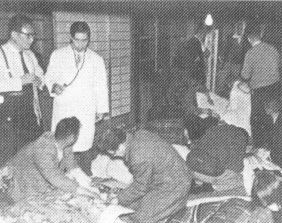
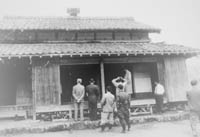
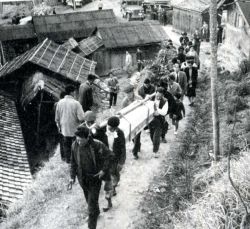
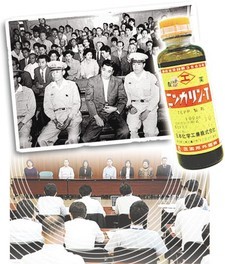
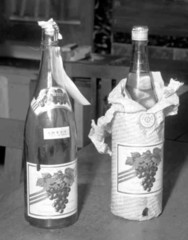
On March 28, 1961, five women died after consuming wine laced with pesticides at a community meeting. Okunishi, who had transported the wine, became the primary suspect due to village rumors and the lack of other viable suspects. The investigation was marked by extreme social pressure to secure a conviction.
3. Investigation and Arrest
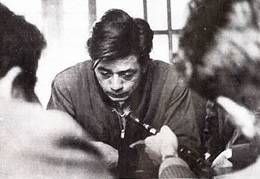
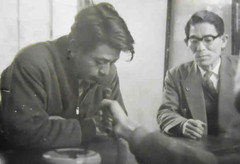
Okunishi was subjected to over 49 hours of intense interrogation, leading to a confession on April 2, 1961. The prosecution's case rested on a wine bottle stopper allegedly bearing his teeth marks, analyzed via the 'Black 3 Test'. This forensic evidence was later proven to be fabricated and scientifically invalid.
4. Legal Proceedings and Outcome
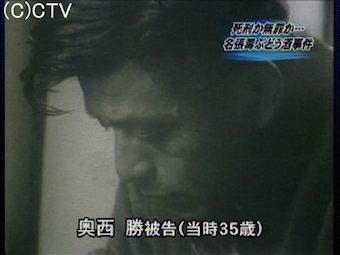
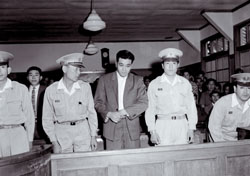
Initially acquitted in 1964 by the Tsu District Court, the prosecution successfully appealed to the Nagoya High Court, which sentenced him to death in 1969. The Supreme Court upheld the sentence in 1972. Despite numerous retrial petitions and international support, including an amicus brief from Northwestern University, Okunishi remained incarcerated until his death in 2015.
5. Forensic Conclusion
Okunishi died of natural causes in 2015 while his eighth retrial application was pending. His case remains a symbol of the '99% conviction rate' problem in Japan and the dangers of relying on coerced confessions and unverified forensic methods.