Forensic & Criminological Matrix
| Parameter | Forensic Detail |
|---|---|
| Forensic Heading / Aliases | The Teigin Bank Poisoner |
| Legal Identity | Sadamichi Hirasawa |
| Confirmed Victims | 12 |
| Attributed / Indicted Victims | 12 |
| Active Timeline | January 26, 1948 |
| Jurisdiction / Area of Operations | Shiina, Tokyo, Japan |
| Criminological Classification | Serial Murderer / Opportunistic Criminal |
| Forensic Modus Operandi | Deception via impersonation of health authority and mass poisoning |
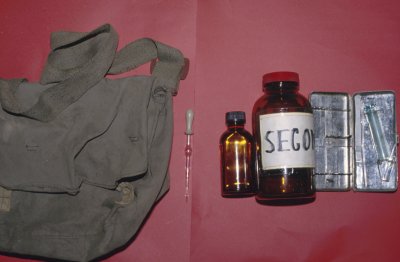
| Weapon / Mechanism of Death | Cyanide solution (possibly acetone cyanohydrin) |
| Motive / Behavioral Dynamics | Robbery and financial gain |
| Judicial Outcome | Death sentence (never executed) |
1. Background and Profile
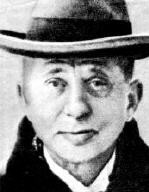
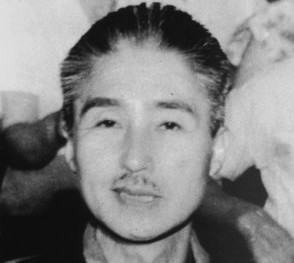
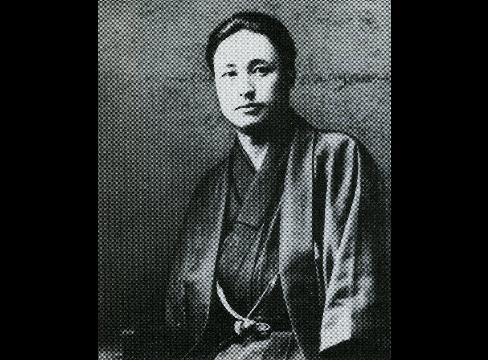
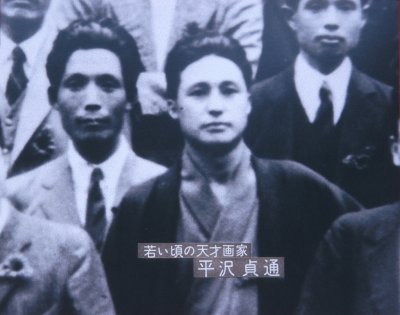
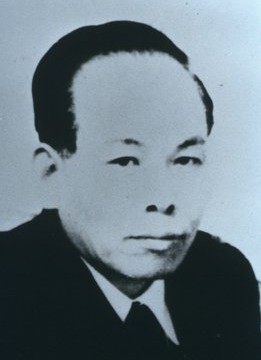
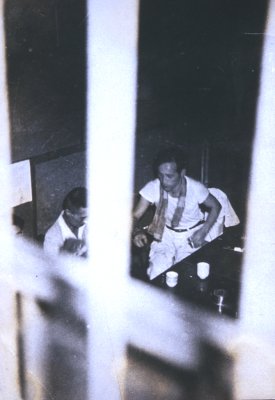
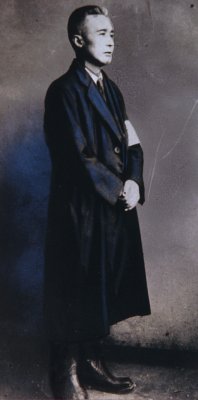
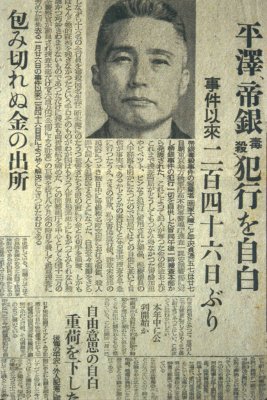
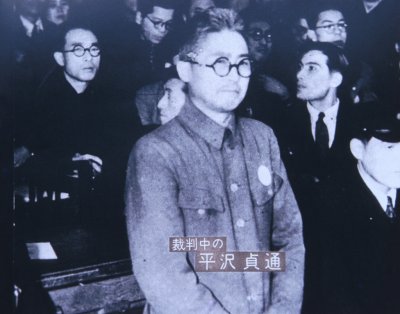
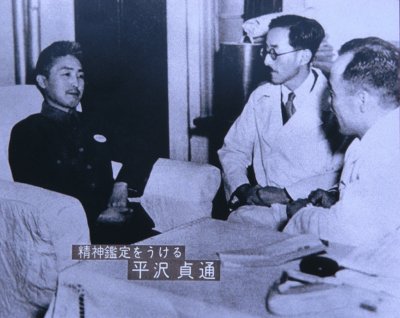
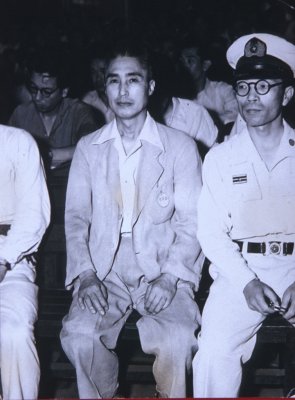
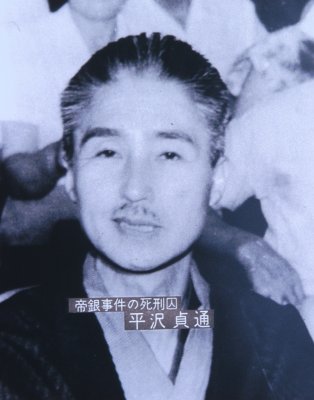
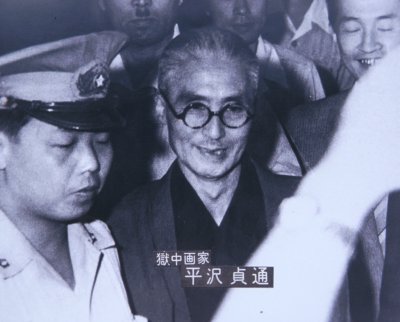
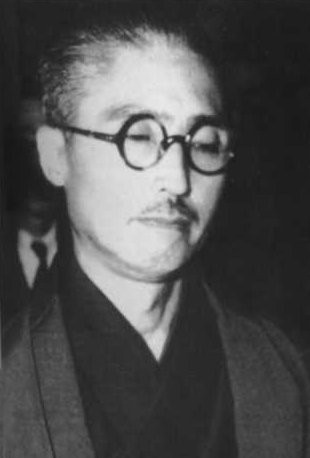
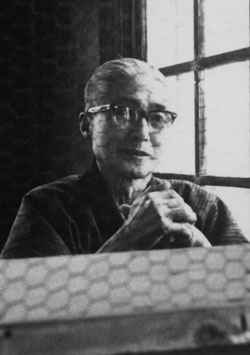
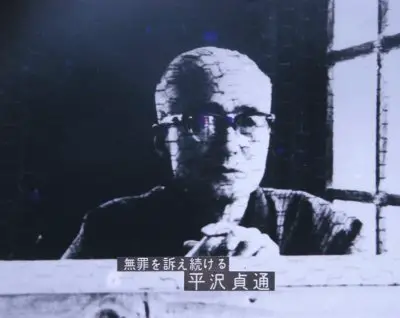
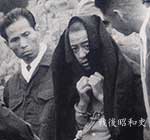
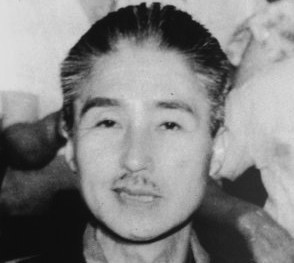
Sadamichi Hirasawa was a Japanese tempera painter whose life became synonymous with the Teigin Bank incident. His psychological state was a subject of significant controversy, with defense attorneys citing brain damage and Korsakoff's syndrome as factors that rendered his initial confession unreliable and coerced.
2. Criminal Career and Modus Operandi
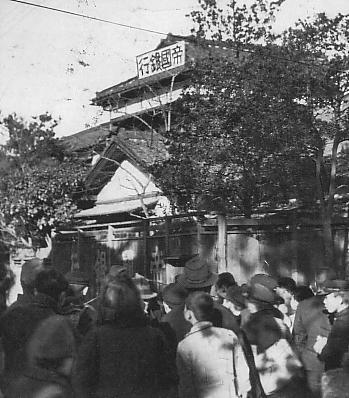
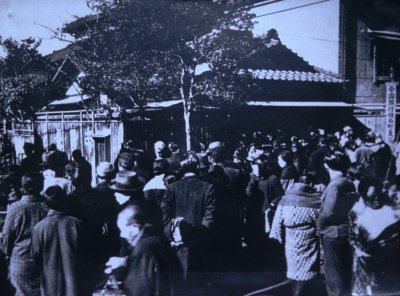
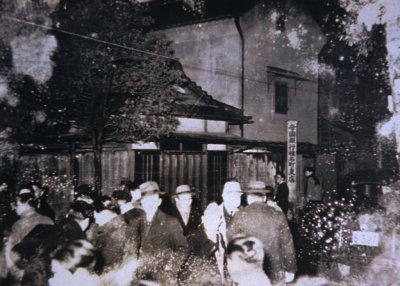
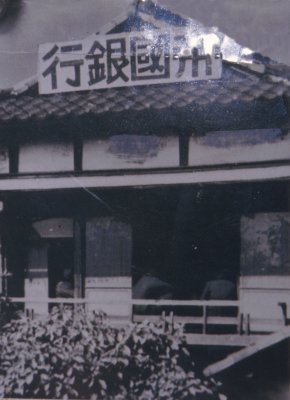
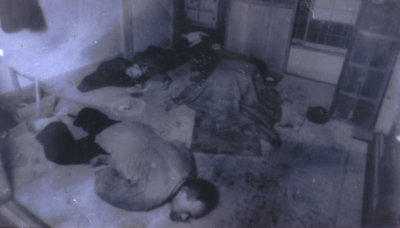
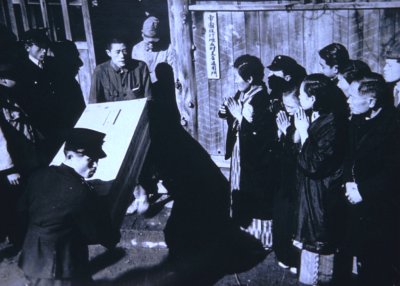
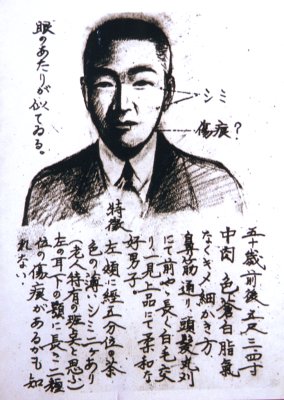
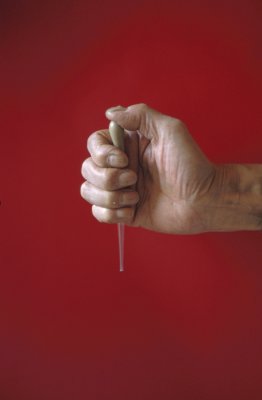
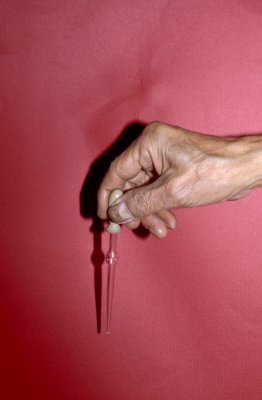
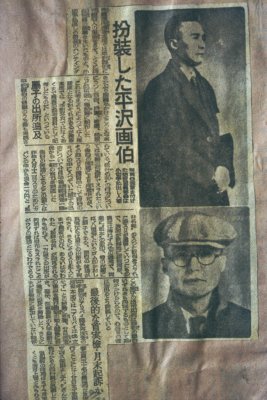
On January 26, 1948, a man posing as a public health official arrived at the Teigin Bank in Shiina, Tokyo. He claimed to be on a mission from US occupation authorities to inoculate staff against dysentery. He administered a lethal cyanide solution to 16 employees. Ten died immediately, and two died later in the hospital. The perpetrator escaped with 160,000 yen.
3. Investigation and Arrest
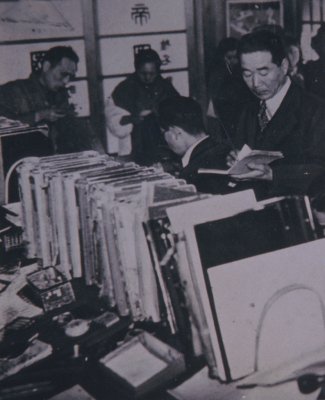
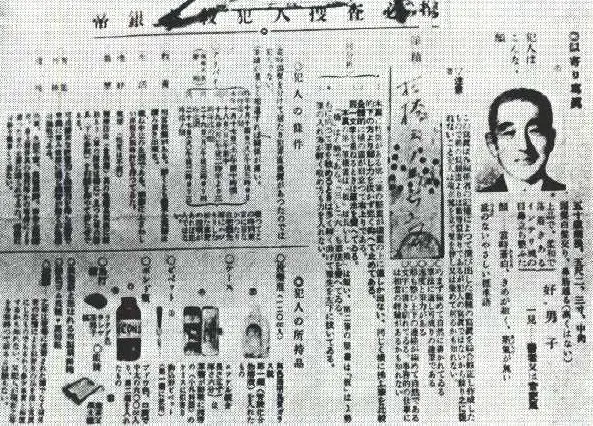
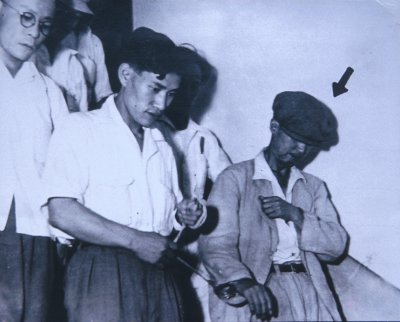
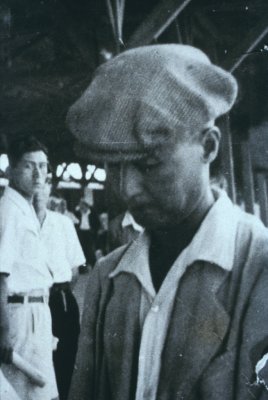
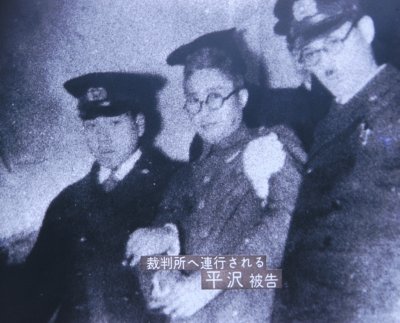
Police identified Hirasawa through the use of business cards, a common social practice in Japan. He had exchanged cards with hundreds of individuals, which led investigators to him. Despite his arrest on August 21, 1948, and his initial confession, the lack of conclusive evidence and the identification of only two witnesses out of forty present at the scene cast doubt on the verdict.
4. Legal Proceedings and Outcome
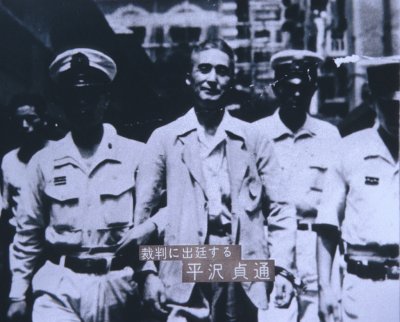
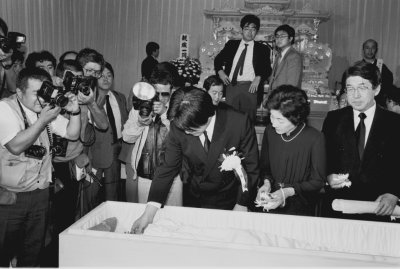
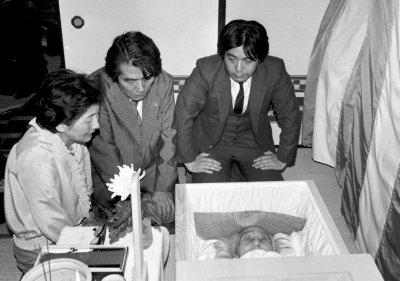
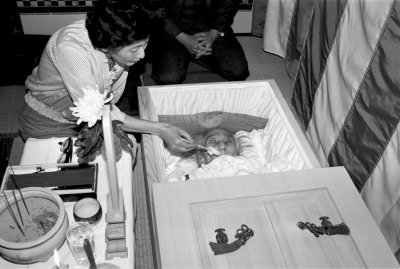
Convicted and sentenced to death in 1950, Hirasawa remained on death row for over three decades. The Supreme Court upheld the sentence in 1955, but no Minister of Justice signed the execution warrant, citing significant doubts about his guilt and the chemical nature of the poison used. He died of pneumonia in prison in 1987.