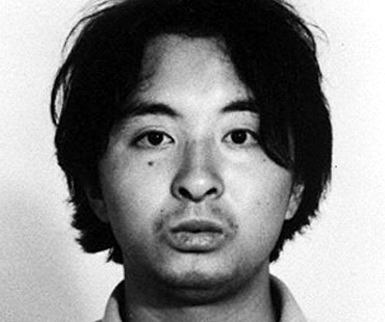
Forensic & Criminological Matrix
| Parameter | Forensic Detail |
|---|---|
| Forensic Heading / Aliases | null |
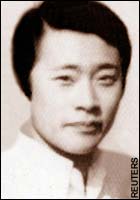
| Legal Identity | Kim Sung-jong |
| Confirmed Victims | 1 |
| Attributed / Indicted Victims | 150-400 |
| Active Timeline | 1992-2000 |
| Jurisdiction / Area of Operations | Tokyo and Kanagawa, Japan |
| Criminological Classification | Serial Rapist / Sexual Murderer |
| Forensic Modus Operandi | Drugging victims with chloroform during paid dates |
| Weapon / Mechanism of Death | Chloroform, sedatives, asphyxiation |
| Motive / Behavioral Dynamics | Sexual fetishism and control |
| Judicial Outcome | Life imprisonment |
1. Background and Psychopathy
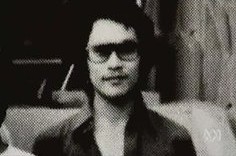
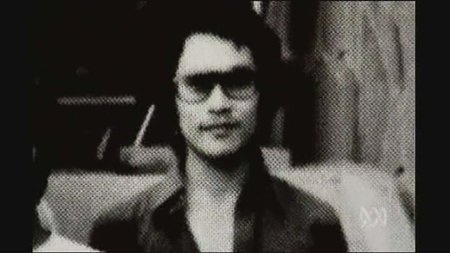
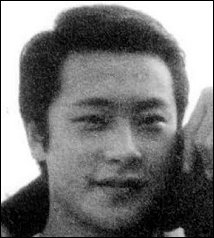
Born Kim Sung-jong in 1952, Obara was the son of a wealthy Korean immigrant family in Japan. After inheriting his father's fortune, he attended Keio University and naturalized as a Japanese citizen. His life was marked by the collapse of his real estate empire and alleged ties to the yakuza, which provided a backdrop for his predatory behavior.
2. Crime Spree
Obara targeted foreign women working in Tokyo's nightlife. He used his wealth to gain their trust, only to drug them with chloroform. He maintained an extensive archive of over 200 videos documenting his assaults, which he referred to as 'conquer play'.
3. Investigation and Arrest
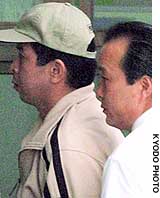
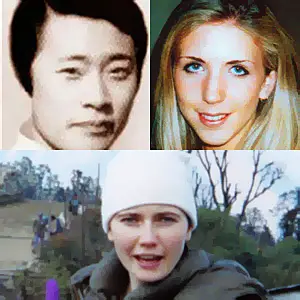
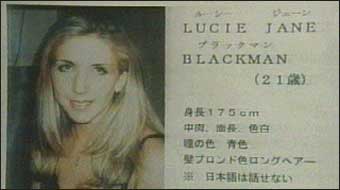
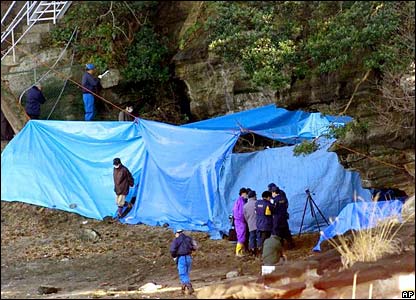
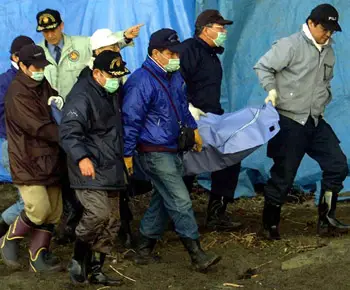
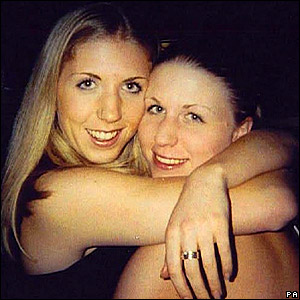
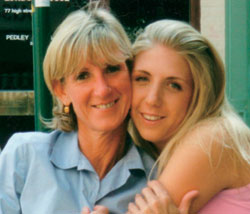
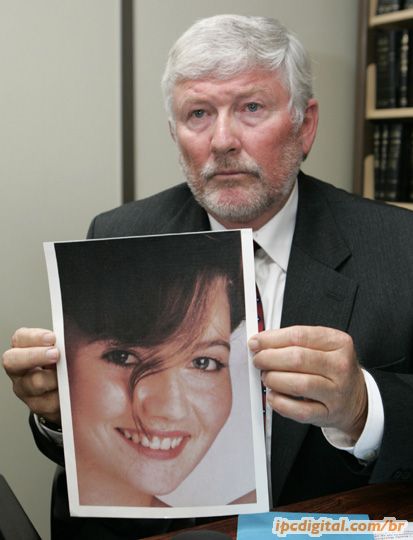
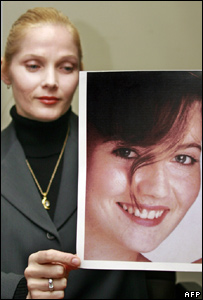
The disappearance of Lucie Blackman in 2000 brought international attention to Obara's activities. The discovery of her remains in 2001, combined with the testimony of other survivors, led to his arrest and the uncovering of his long-term criminal history.
4. Legal Proceedings and Outcome
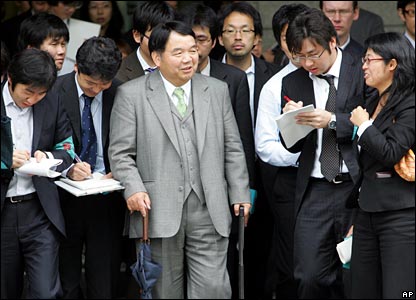
Obara's trial was a landmark case in Japan. He was convicted of the manslaughter of Carita Ridgeway and multiple counts of rape. While initially acquitted of Blackman's murder due to lack of direct forensic evidence, subsequent appeals and the weight of circumstantial evidence led to his final conviction and life sentence.