



Forensic & Criminological Matrix
| Parameter | Forensic Detail |
|---|---|
| Forensic Heading / Aliases | null |
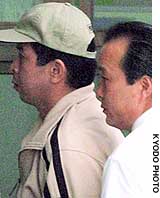
| Legal Identity | Teruhiko Matsue |
| Confirmed Victims | 0 |
| Attributed / Indicted Victims | 3 |
| Active Timeline | 1987-1989 |
| Jurisdiction / Area of Operations | Kitagata, Saga Prefecture, Japan |
| Criminological Classification | Alleged serial killer |
| Forensic Modus Operandi | Strangulation and body disposal in wooded areas |
| Weapon / Mechanism of Death | Manual strangulation |
| Motive / Behavioral Dynamics | Passion, cover-up of sexual assault, and interpersonal conflict |
| Judicial Outcome | Acquitted due to lack of sufficient evidence (2005/2007) |
1. Background and Profile
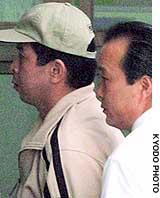
Teruhiko Matsue (born 1963) became the focus of a significant criminal investigation in Saga Prefecture. His criminal history included burglary, which eventually led to his implication in a series of unsolved homicides occurring between 1987 and 1989.
2. Crime Spree
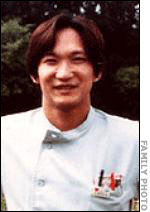
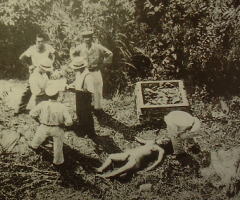
The victims—Sumiko Fujise (48), Kiyomi Nakajima (50), and Tatsuyo Yoshino (37)—were discovered in a mountainous area of Kitagata in January 1989. Prosecutors alleged that Matsue strangled Fujise in July 1987 following a sexual assault, Nakajima in December 1988 due to a traffic dispute, and Yoshino in January 1989 over a romantic jealousy motive. The use of his vehicle to transport the bodies was a key component of the prosecution's theory.
3. Investigation and Arrest
The investigation was hampered by a lack of direct physical evidence. Although Matsue confessed in 1989 while in custody for drug charges, he quickly retracted the statement, claiming police coercion. In 2002, as the statute of limitations approached, police reopened the case using mitochondrial DNA testing, though the defense challenged the reliability of these forensic methods.
4. Legal Proceedings and Outcome
Matsue was arrested in June 2002 while serving time for burglary. The trial focused on the admissibility of his 1989 confession. In 2005, the Saga District Court, and later the Fukuoka High Court in 2007, ruled that the confession was obtained through illegal interrogation methods and that the evidence was insufficient to prove guilt beyond a reasonable doubt.
5. Forensic Conclusion
The case ended in a definitive acquittal. The Japanese judiciary emphasized the protection of procedural rights, leaving the three homicides officially unsolved.