


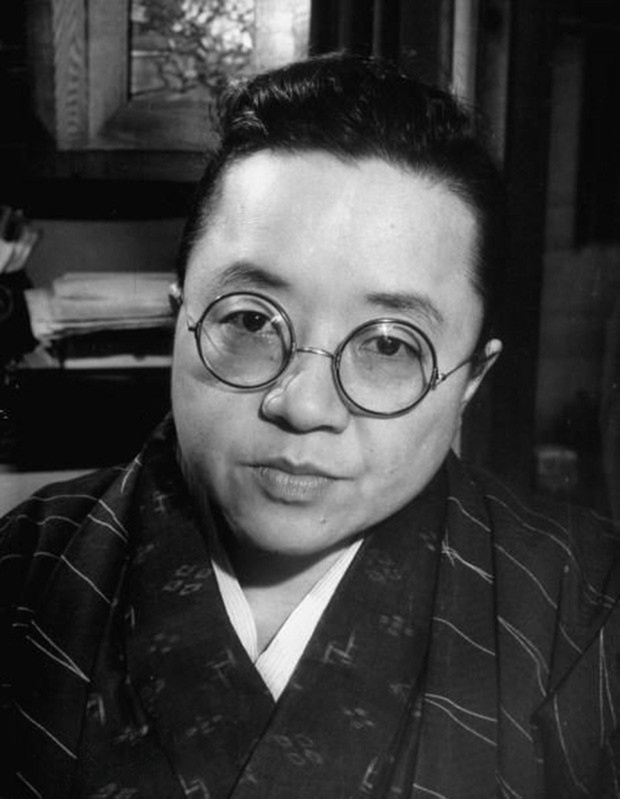
Forensic & Criminological Matrix
| Parameter | Forensic Detail |
|---|---|
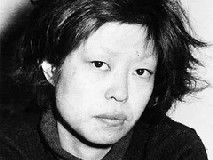
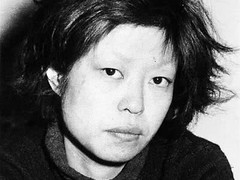
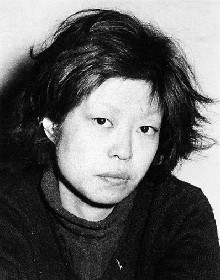
| Forensic Heading / Aliases | Hiroko Nagata (Yōko Nagata) |
| Legal Identity | Hiroko Nagata |
| Confirmed Victims | 14 United Red Army members |
| Active Timeline | February 1972 |
| Jurisdiction / Area of Operations | Gunma Prefecture, Japan |
| Criminological Classification | Mass Murderer / Terrorist / Cult-Political Leader |
| Forensic Modus Operandi | Internal ideological purges executed via extreme physical violence, systemic beatings, and environmental exposure to lethal cold (hypothermia) |
| Weapon / Mechanism of Death | Blunt force trauma and environmental exposure (freezing) |
| Motive / Behavioral Dynamics | Radical political fanaticism and ideological purity paranoia |
| Judicial Outcome | Sentenced to death; died in custody from natural causes prior to execution |
1. Background and Psychopathy
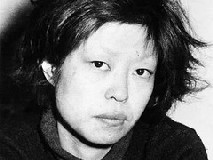
Born in Japan in 1945, Hiroko Nagata emerged from the radical student movements that roamed the nation during the late 1960s and early 1970s. Her intense ideological alignment propelled her into high-ranking leadership within the splinter factions that formed the United Red Army (Rengō Sekigun), a clandestine terrorist organization defined by strict paramilitary discipline and cult-like dynamics.
2. Crime Spree and Modus Operandi
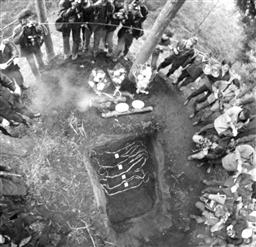
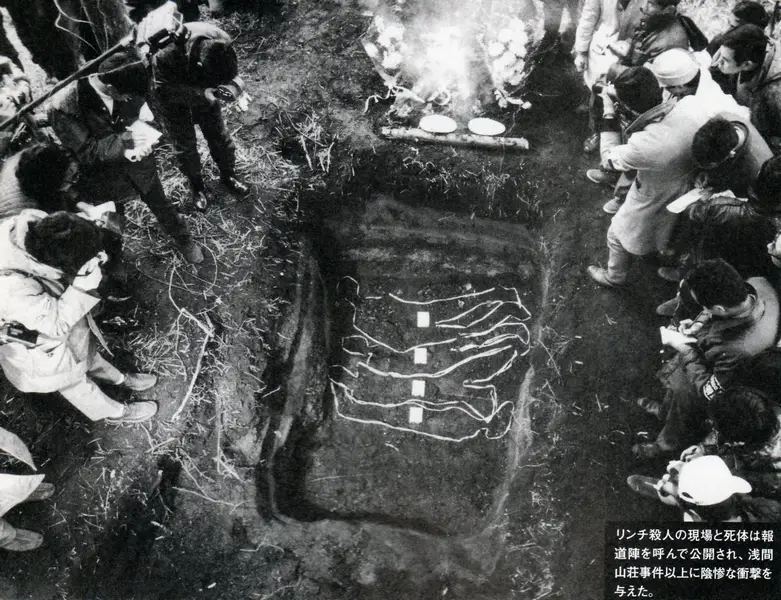
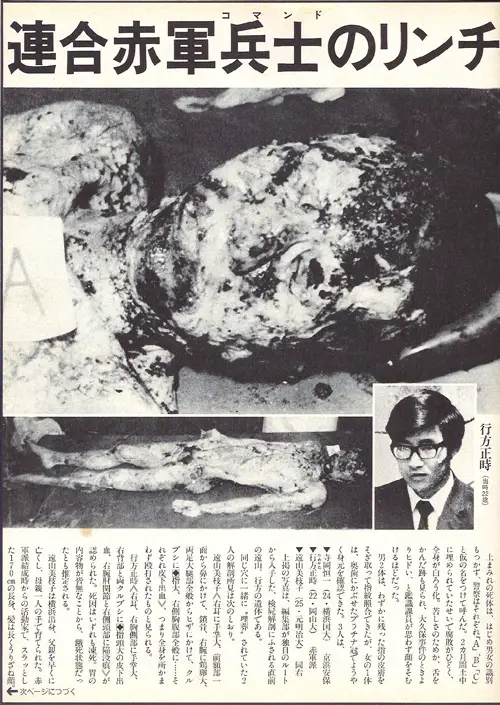
In February 1972, during a hidden training encampment in the mountainous terrain of Gunma Prefecture, Nagata and co-leader Tsuneo Mori instigated a violent internal purge under the guise of "self-criticism" and ideological purification. Nagata orchestrated and directly participated in the brutal torture sessions inflicted upon fellow comrades. Fourteen members were systematically beaten and forced to endure freezing outdoor conditions, resulting in deaths caused by hypothermia and severe blunt force trauma.
3. Police Investigation and Forensic Pursuit
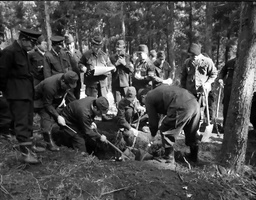
Japanese authorities, tracking the movements of radical leftist cells and uncovering intelligence regarding underground mountain hideouts, mobilized massive police forces. The tightening dragnet exposed not only the shallow graves containing the victims of the internal purge but also led directly into the prolonged Asama-sansō hostage standoff.
4. Legal Proceedings and Outcome
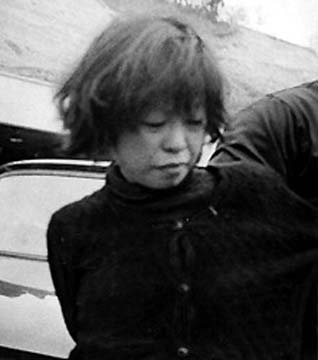
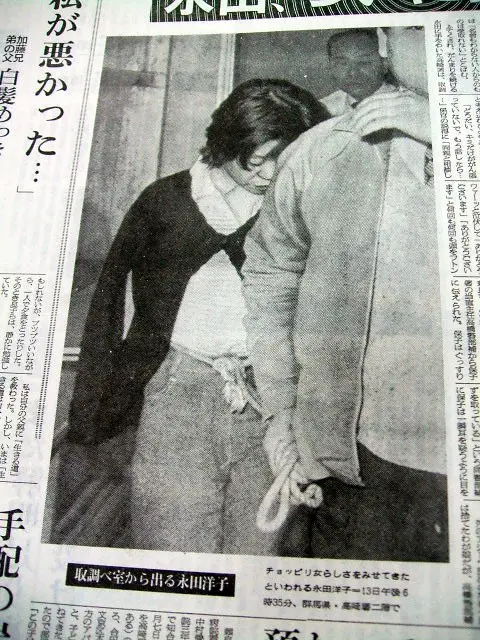
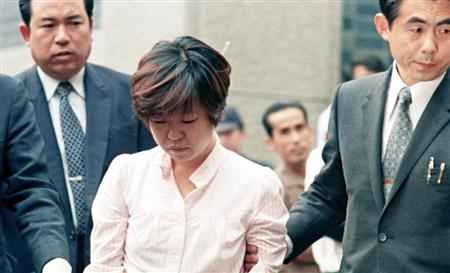
Following her apprehension, Nagata was put on trial alongside fellow leaders for multiple counts of murder and terrorist acts. The judicial proceedings documented extensive evidence of her direct command and participation in the murders of her subordinates. Ultimately, she was condemned to death by the Japanese judiciary.
5. Psychiatric Evaluation and Final Outcome
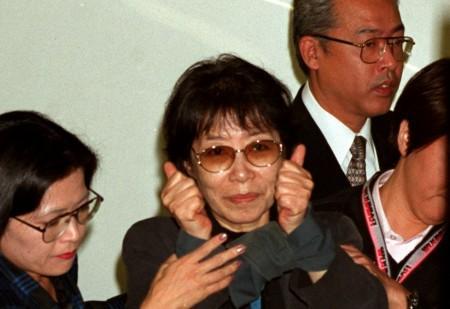
Criminological and psychological assessments characterized Nagata as possessing an uncompromising, dogmatic personality devoid of empathy toward her followers, driven entirely by political fanaticism and ideological paranoia. She spent decades on death row until her death on February 5, 2011, in a Tokyo detention center due to a brain tumor while awaiting execution.