Forensic & Criminological Matrix
| Parameter | Forensic Detail |
|---|---|
| Forensic Heading / Aliases | David Gail Meirhofer |
| Legal Identity | David Gail Meirhofer |
| Confirmed Victims | 4 |
| Attributed / Indicted Victims | 4 |
| Active Timeline | 1966 - 1974 |
| Jurisdiction / Area of Operations | Manhattan and Three Forks, Montana, USA |
| Criminological Classification | Serial killer |
| Forensic Modus Operandi | Abduction, dismemberment, and cremation of remains |
| Weapon / Mechanism of Death | Asphyxiation, trauma, and dismemberment |
| Motive / Behavioral Dynamics | Sexual gratification and psychopathy |
| Judicial Outcome | Suicide in custody prior to trial |
1. Background and Profile
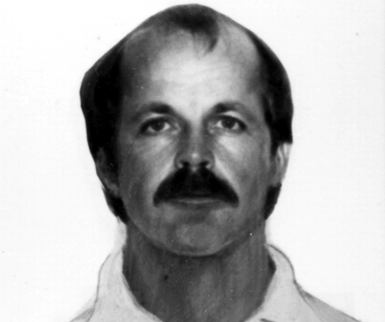
David Gail Meirhofer (June 8, 1949 – September 29, 1974) was an American serial killer who operated in rural Montana. His criminal career remained largely undetected for years, hidden behind a facade of normalcy in the small communities of Manhattan and Three Forks.
2. Crime Spree
Meirhofer's victims included three children and one young woman: Susan Jaeger, Michael Raney, Bernard Poelman, and Sandra Dykman Smallegan. He was known for his calculated approach to abductions, often taking victims from their homes or campsites without leaving physical evidence. He would later dismember and burn the bodies to destroy forensic links.
3. Investigation and Arrest
This case marked a milestone in forensic history as the first instance where FBI offender profiling was successfully used to identify a suspect. Investigators correctly hypothesized that the perpetrator was a young, white male who killed for sexual gratification. The breakthrough occurred when Meirhofer contacted the mother of victim Susan Jaeger, providing the necessary leads for his apprehension.
4. Legal Proceedings and Outcome
Following his arrest on September 27, 1974, Meirhofer provided a full confession to the four murders. However, he never stood trial. On September 29, 1974, he committed suicide by hanging himself in his cell at the Gallatin County jail, effectively ending the legal process.