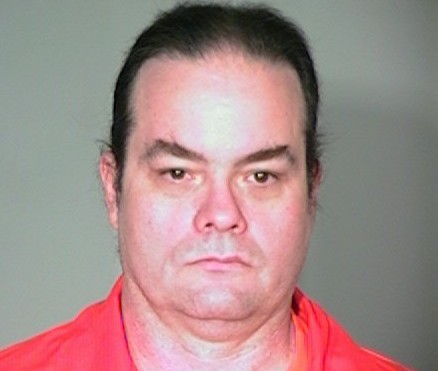





Forensic & Criminological Matrix
| Parameter | Forensic Detail |
|---|---|
| Forensic Heading / Aliases | None |
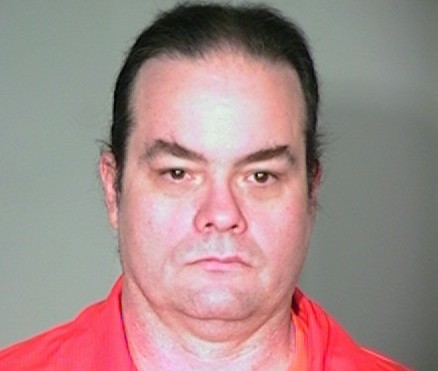
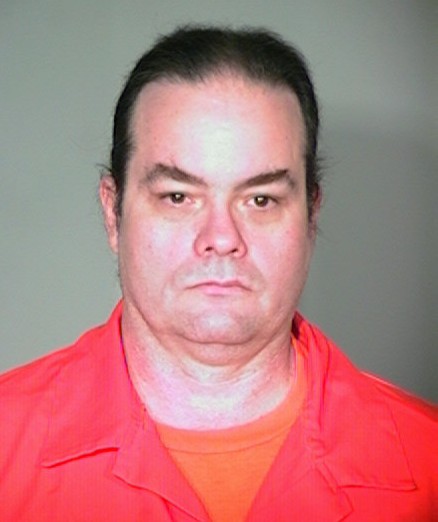
| Legal Identity | Jasper Newton McMurtrey |
| Confirmed Victims | 2 |
| Attributed / Indicted Victims | 2 |
| Active Timeline | 1979 |
| Jurisdiction / Area of Operations | Tucson, Arizona |
| Criminological Classification | Violent offender |
| Forensic Modus Operandi | Firearm usage in direct confrontation |
| Weapon / Mechanism of Death | Handgun |
| Motive / Behavioral Dynamics | Interpersonal conflict in a bar setting |
| Judicial Outcome | Death sentence vacated; released after plea deal |
1. Background and Profile
Jasper Newton McMurtrey, born October 29, 1951, was a member of the biker subculture in Arizona. His case became a landmark in legal circles regarding the standards for mental competency during criminal trials and the right to effective assistance of counsel.
2. Crime Spree
On August 10, 1979, at the Ranch House Bar in Tucson, McMurtrey engaged in a violent altercation. Following a dispute, he claimed he was confronted by three men. McMurtrey asserted that he acted in self-defense after one of the victims allegedly brandished a weapon. The shooting resulted in the deaths of Barry Collins and Albert Hughes, and the wounding of Eugene Taylor.
3. Investigation and Arrest
Law enforcement conducted a thorough investigation at the Ranch House Bar, a known biker hangout. The case relied heavily on witness testimony and forensic ballistics. The complexity of the environment and the conflicting accounts of the shooting led to a protracted legal battle.
4. Legal Proceedings and Outcome
McMurtrey was sentenced to death in 1981. Over the following two decades, his case underwent multiple appeals. In 2003, a federal judge ruled that his legal representation had been inadequate. In 2008, the 9th U.S. Circuit Court of Appeals ruled that his right to a fair trial was violated because his mental competency to stand trial was never properly evaluated, leading to his eventual release.
5. Psychiatric Evaluation and Conclusion
Judicial reviews highlighted that McMurtrey's memory issues, erratic behavior, and heavy medication at the time of the trial created reasonable doubt regarding his ability to assist in his own defense. Following the vacating of his convictions, he was released, marking the end of a 22-year tenure on Arizona's death row.