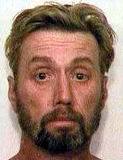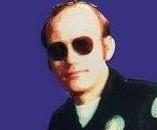
Forensic & Criminological Matrix
| Parameter | Forensic Detail |
|---|---|
| Forensic Heading / Aliases | Mild Bill |
| Legal Identity | William Ernest Leasure |
| Confirmed Victims | 3 |
| Attributed / Indicted Victims | 3 |
| Active Timeline | 1977-1986 |
| Jurisdiction / Area of Operations | Los Angeles, California |
| Criminological Classification | Contract Killer / Corrupt Police Officer |
| Forensic Modus Operandi | Tactical execution using service weapons and procedural manipulation |
| Weapon / Mechanism of Death | Firearms (service pistols) |
| Motive / Behavioral Dynamics | Financial gain and greed |
| Judicial Outcome | Life imprisonment (subsequently released) |
1. Background and Profile
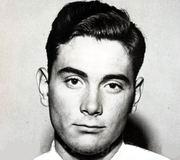
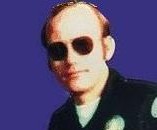
William Ernest Leasure was a Los Angeles Police Department (LAPD) officer who led a clandestine criminal life. He exploited his position of authority to engage in high-stakes criminal activities, including contract murder and insurance fraud.
2. Criminal Career and Modus Operandi
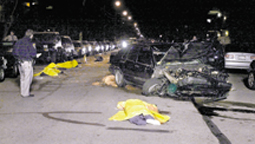
Leasure operated as a hitman, utilizing his police training to execute targets with precision. His modus operandi involved the use of service weapons and the manipulation of crime scenes to avoid forensic detection. He was involved in at least three confirmed homicides.
3. Investigation and Arrest
The investigation into Leasure was hindered by his status as a police officer. Investigators faced significant challenges in gathering evidence against a member of their own ranks. Forensic ballistics and witness testimony eventually led to his downfall.
4. Legal Proceedings and Outcome
Leasure was convicted for his crimes and sentenced to life in prison. His case remains a significant study in the intersection of law enforcement and organized crime, highlighting the dangers of institutional corruption.
5. Psychiatric Assessment and Conclusion
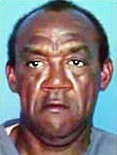
Leasure's actions demonstrate a calculated, predatory nature. He was eventually released from prison, a decision that remains controversial in the context of his severe criminal history.