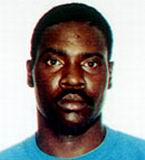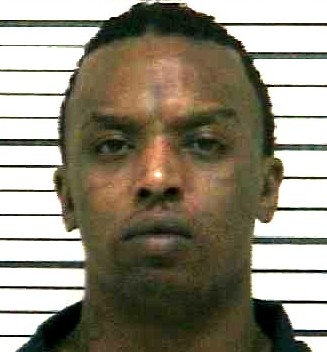
Forensic & Criminological Matrix
| Parameter | Forensic Detail |
|---|---|
| Forensic Heading / Aliases | None recorded |
| Legal Identity | James Ringo McDaniel |
| Confirmed Victims | 3 |
| Attributed / Indicted Victims | 3 |
| Active Timeline | October 8, 1994 |
| Jurisdiction / Area of Operations | Butts County, Georgia, USA |
| Criminological Classification | Familial homicide / Profit-motivated murderer |
| Forensic Modus Operandi | Execution via firearm following domestic robbery |
| Weapon / Mechanism of Death | Firearm (handgun) |
| Motive / Behavioral Dynamics | Crack cocaine addiction, history of psychiatric commitments |
| Judicial Outcome | Death sentence (reversed), life imprisonment |
1. Background and Profile
James Ringo McDaniel (born 1974) had a documented history of psychiatric hospitalizations and severe crack cocaine addiction. He lived with his grandparents and his 10-year-old stepbrother in Butts County, Georgia.
2. Crime Spree
On October 8, 1994, under the influence of crack cocaine, McDaniel retrieved a firearm from his grandfather's bedroom. He shot each of his three family members—Erner Barkley (70), Eugene Barkley (75), and Justin Davis (10)—once in the head. He then stole his grandfather's wallet to purchase more drugs, returning to the scene to smoke the crack before calling 911 to report the crime as a discovery.
3. Investigation and Arrest
McDaniel initially claimed he had returned home to find his family murdered. Police investigation and subsequent audio and video-taped confessions led to his arrest. He provided information that allowed police to recover the stolen wallet and ammunition.
4. Legal Proceedings and Outcome
McDaniel pleaded guilty to multiple counts of murder and armed robbery in 1997. He was initially sentenced to death. However, the Supreme Court of Georgia reversed the convictions in 1999, ruling that the trial judge's excessive involvement in plea negotiations rendered the guilty plea involuntary. He was subsequently sentenced to life imprisonment without the possibility of parole.