



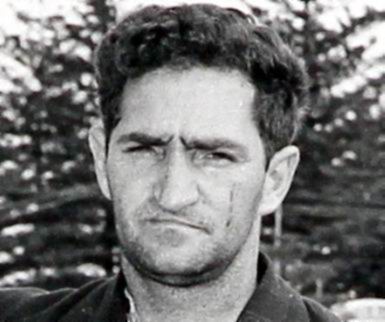
Forensic & Criminological Matrix
| Parameter | Forensic Detail |
|---|---|
| Forensic Heading / Aliases | Mad Dog |
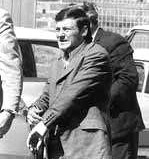
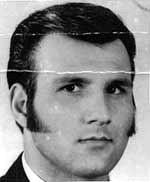
| Legal Identity | Archibald Beattie McCafferty |
| Confirmed Victims | 4 |
| Attributed / Indicted Victims | 4 |
| Active Timeline | 1973 - 1982 |
| Jurisdiction / Area of Operations | Sydney, New South Wales, Australia |
| Criminological Classification | Serial Killer / Criminal Cult Leader |
| Forensic Modus Operandi | Summary executions using firearms and knives, often involving co-perpetrators |
| Weapon / Mechanism of Death | .22 caliber rifles, knives, strangulation |
| Motive / Behavioral Dynamics | Psychotic delusion, paranoid schizophrenia, numerological obsession |
| Judicial Outcome | Three life sentences (1974), additional conviction for prison homicide (1981) |
1. Background and Profile
Archibald Beattie McCafferty was born in Scotland and migrated to Australia at age ten. He exhibited severe antisocial behavior from a young age, accumulating a lengthy criminal record. His mental state deteriorated significantly after his marriage in 1972, characterized by extreme violence toward his wife and a fascination with aggressive media.
2. Crime Spree
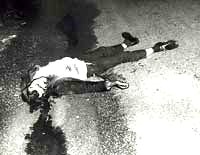
Following the accidental death of his six-week-old son, Craig, in 1973, McCafferty descended into a psychotic state. He believed he was receiving commands from his deceased son to kill seven people to facilitate a rebirth. He recruited a group of vulnerable teenagers to assist in his crimes. He murdered George Anson, Ronald Neil Cox, and Evangelos Kollias. While incarcerated in 1982, he murdered fellow inmate Edward James Lloyd.
3. Investigation and Arrest
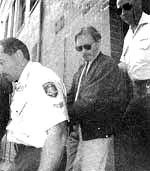
Police intervention was triggered when gang member Rick Webster, fearing he was the next target, alerted authorities. A tactical operation led to the arrest of McCafferty and his associates while they were lying in wait for Webster. McCafferty confessed to the killings upon his arrest.
4. Legal Proceedings and Outcome
McCafferty was sentenced to three life terms in 1974. Despite his insanity defense, the court found him criminally responsible. He remained a high-risk inmate throughout his incarceration, eventually receiving an additional sentence for the 1981 prison murder of Edward James Lloyd.
5. Psychiatric Evaluation and Release
After serving 23 years, he was granted parole in 1997 on the condition of deportation to Scotland. His release sparked public outrage. Upon returning to Scotland, he continued to engage in criminal behavior, demonstrating that his propensity for violence remained a significant concern for law enforcement.