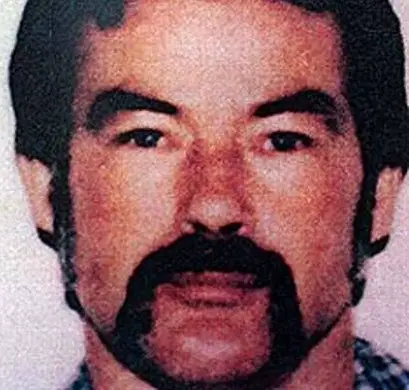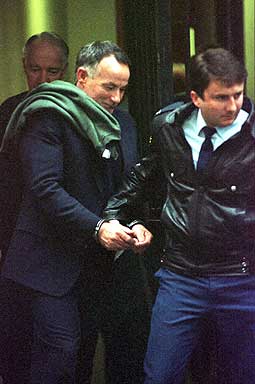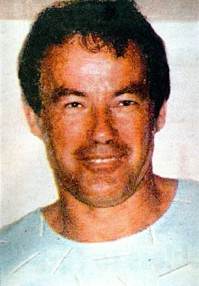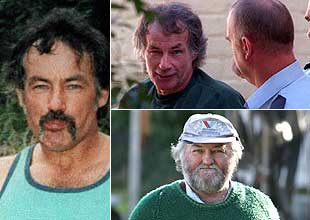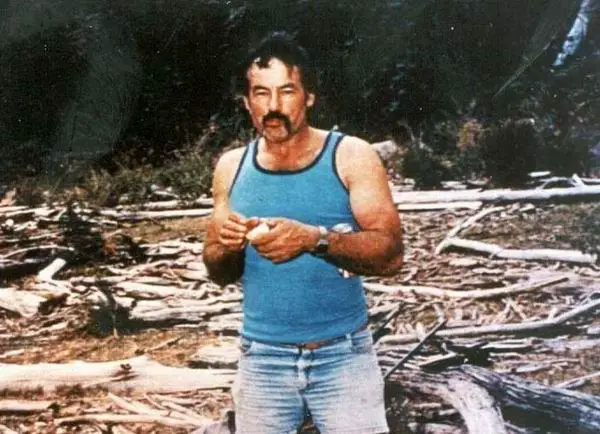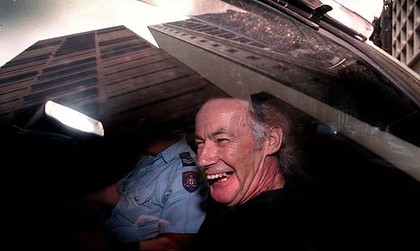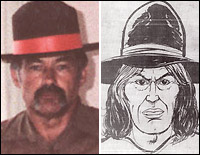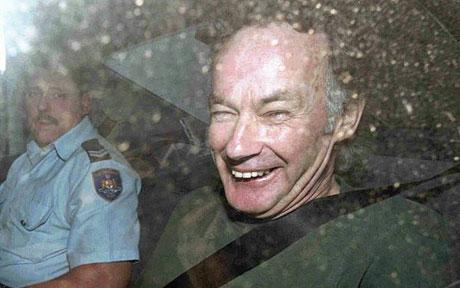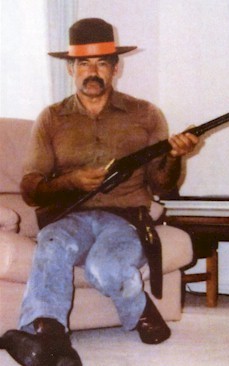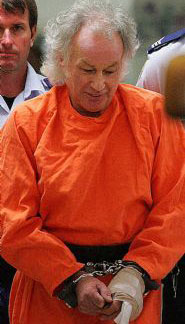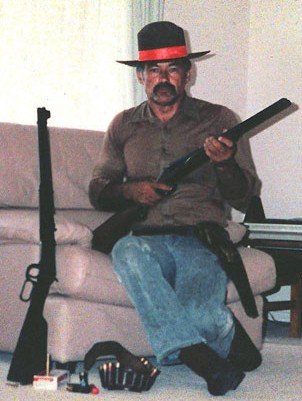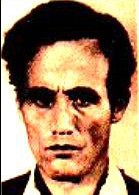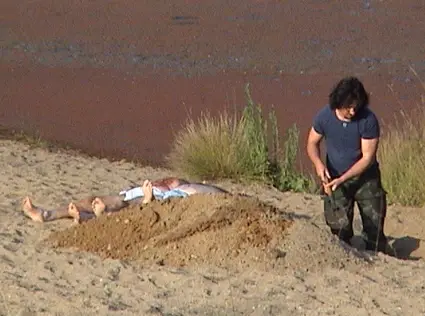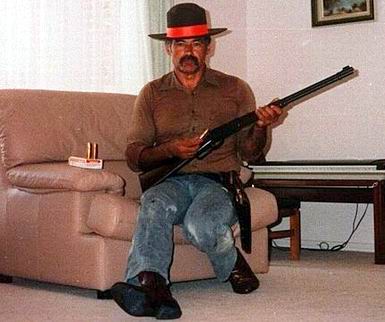




Forensic & Criminological Matrix
| Parameter | Forensic Detail |
|---|---|
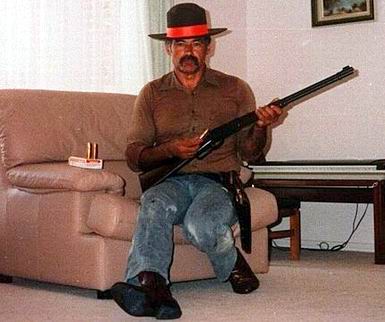
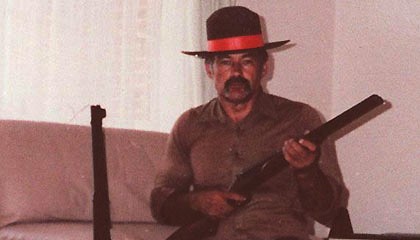
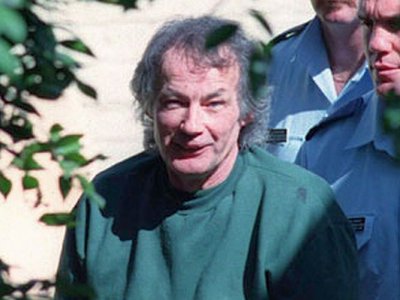
| Full Legal Name | Ivan Robert Marko Milat |
| Monikers & Cultural Signifiers | The Backpack Killer, The Belanglo Monster |
| Born | December 27, 1944, Guildford, Sydney, New South Wales, Australia |
| Died | October 27, 2019 (aged 74), Long Bay Correctional Complex Hospital, Malabar, Sydney, Australia |
| Manner of Death | Terminal esophageal and stomach carcinoma (natural mortality in maximum security penal custody) |
| Criminological Classification | Organized sexual serial predator, territorial human hunter, and sadistic trophy collector |
| Active Murder Period | 1989 – 1992 |
| Geographical Range | Belanglo State Forest and the Hume Highway, New South Wales, Australia |
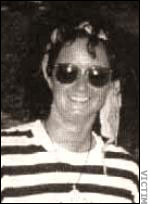
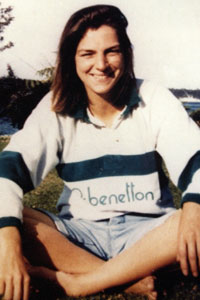
| Confirmed Fatal Casualties | 7 young international backpackers and domestic hitchhikers: |
| Decisive Surviving Witness | Paul Onions (British backpacker who escaped an armed abduction attempt on the Hume Highway in 1990, providing positive identification in 1993) |
| Modus Operandi | Picking up hitchhikers along the Hume Highway south of Sydney under courteous pretexts; driving victims along fire trails into remote sectors of Belanglo State Forest; applying crude bindings and delivering a calculated surgical stab wound through the cervical/thoracic spinal cord to induce total paralysis before using victims for target practice with a Ruger .22 rifle or executing decapitation; concealing remains beneath burial mounds of logs and brush |
| Physical Evidence Confiscated | Personal tents, cameras, sleeping bags, and clothing belonging to the deceased uncovered inside his Eagle Vale residence |
| Cinematic Impact | Served as the direct creative inspiration for the iconic Australian horror film Wolf Creek (the fictional villain Mick Taylor) |
| Final Disposition | Convicted on all seven murder counts in July 1996; sentenced to seven consecutive terms of life imprisonment without parole; died in custody in October 2019 |
EXECUTIVE SUMMARY & CRIMINOLOGICAL IMPACT
Ivan Robert Marko Milat stands as the most notorious serial killer in Australian criminal history. Between 1989 and 1992, Milat transformed the 3,800-hectare Belanglo State Forest, located approximately 120 kilometers southwest of Sydney, into an isolated abattoir where he systematically hunted domestic and international backpackers.
The staggered recovery of seven decomposing bodies beneath piles of sticks and foliage sparked a global crisis regarding tourist safety in Australia. The case revealed a signature technique of predatory sadism—severing victims' spinal columns to induce irreversible motor paralysis—and initiated the largest investigative manhunt in the Southern Hemisphere (Task Force Air).
BACKGROUND AND HUNTING OBSESSION
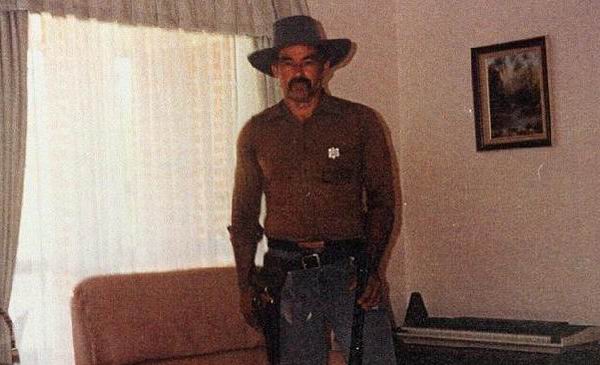
Born into a Croatian immigrant family of fourteen children, Milat was raised in rural Guildford on Sydney’s western periphery. From adolescence, Milat exhibited a passion for firearms, four-wheel-drive off-road bush mechanics, and solitary wilderness hunting.
Employed as a road maintenance worker for the New South Wales Roads and Traffic Authority, Milat possessed intimate topographical knowledge of every service road, trail, and culvert adjoining the Hume Highway—the main vehicular artery connecting Sydney to Melbourne. In 1971, Milat had been charged with the armed kidnapping and rape of two female hitchhikers near Liverpool, escaping conviction when conflicting witness testimony led to an acquittal.
THE BELANGLO SLAUGHTER GROUND (1989–1992)
Prowling the Hume Highway in his four-wheel-drive vehicle, Milat offered rides to traveling hitchhikers:
- James Gibson and Deborah Everist (December 1989): Australian youths heading toward an environmental festival; their bodies were discovered years later bearing profound spinal stab injuries.
- Simone Schmidl (January 1991): German backpacker stabbed repeatedly through the spine to eliminate physical resistance.
- Gabor Neugebauer and Anja Habschied (December 1991): German couple intercepted on their travels; Neugebauer was gagged with cloth and shot six times through the skull with a .22 rifle; Habschied was cleanly decapitated with a machete (her head was never found).
- Caroline Clarke and Joanne Walters (April 1992): British tourists; Walters was stabbed thirty-five times, while Clarke was used for target practice, taking ten point-blank gunshots to the head.
DISCOVERY OF REMAINS AND TASK FORCE AIR
On September 19, 1992, two trail runners navigating orienteering paths in Belanglo discovered a mound of eucalyptus branches concealing the remains of Caroline Clarke and Joanne Walters.
In late 1993, police search sweeps uncovered five additional skeletal remains. Forensic pathologists identified an identical signature: each stabbing victim bore an incision severing the spinal cord, and all ballistic fragments matched ammunition fired from a modified Ruger 10/22 semi-automatic rifle.
PAUL ONIONS ESCAPE AND THE EAGLE VALE RAID
The crucial investigative breakthrough arrived from overseas. In April 1994, British tourist Paul Onions contacted Australian investigators after learning of the Belanglo discoveries.
Onions recounted that on January 25, 1990, while hitchhiking near Belanglo, a motorist named "Bill" had picked him up, pulled out a pistol and rope, and declared an armed holdup. Onions bolted from the vehicle across the Hume Highway under firearm discharge, flagging down a passing motorist who drove him to safety.
Flown to Sydney, Onions immediately identified Ivan Milat from photo lineups.
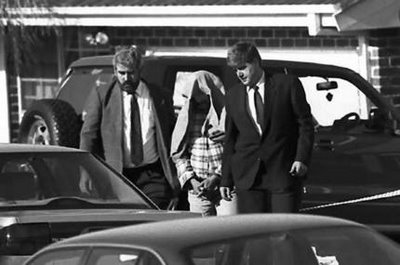
On May 22, 1994, five hundred police officers executed synchronized raids on Milat family properties. At Ivan Milat’s Eagle Vale residence, detectives uncovered modified Ruger 10/22 rifle components, a homemade silencer, Winchester ammunition, and camping gear, backpacks, and personal cameras definitively traced to victims Simone Schmidl and Caroline Clarke.
TRIAL, SENTENCING, AND PENAL DEMISE
The trial convened in March 1996 before Justice David Hunt at the Supreme Court of New South Wales. Milat attempted an unconvincing defense alleging his brothers had framed him.
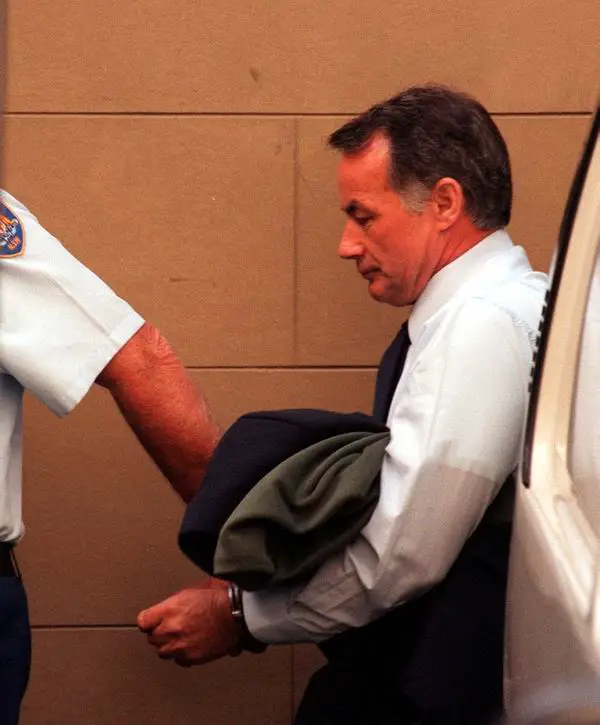
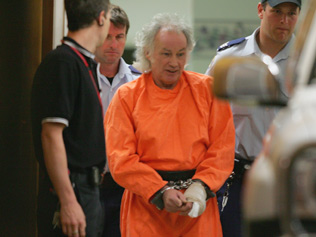
On July 27, 1996, the jury returned unanimous guilty verdicts on all counts. Justice Hunt imposed seven consecutive life sentences without parole, remarking that Milat had demonstrated unmitigated cold-blooded barbarity.
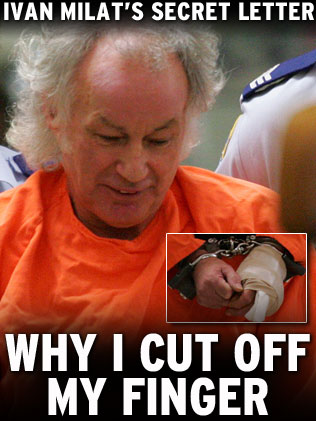
During twenty-three years in maximum-security isolation at Goulburn Supermax, Milat engaged in self-harm and hunger strikes to demand transfers or television access, while steadfastly refusing to provide closure to victims' families.
Suffering from advanced terminal esophageal cancer, Ivan Robert Marko Milat died handcuffed to a hospital bed at Long Bay Correctional Complex on October 27, 2019, at age 74, leaving persistent suspicions that additional unrecovered victims remain buried in the Australian bush.