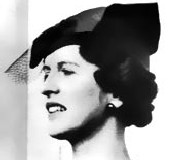






Forensic & Criminological Matrix
| Parameter | Forensic Detail |
|---|---|
| Forensic Heading / Aliases | Susan May |
| Legal Identity | Susan Hilda May |
| Confirmed Victims | 1 (Hilda Marchbank) |
| Active Timeline | March 1992 |
| Jurisdiction / Area of Operations | Manchester, United Kingdom |
| Criminological Classification | Domestic homicide / Financial gain |
| Forensic Modus Operandi | Violent assault on a vulnerable elderly relative staged to look like a botched burglary |
| Weapon / Mechanism of Death | Physical force / Blunt trauma |
| Motive / Behavioral Dynamics | Financial gain to fund a secret lover and luxury lifestyle |
| Judicial Outcome | Convicted of murder in May 1993; sentenced to life imprisonment; appeals rejected |
1. Background and Psychopathy
Susan Hilda May acted as a caregiver to her elderly aunt, Hilda Marchbank. Beneath the guise of a dutiful relative, May was secretly involved with a lover, Chris Ross, upon whom she lavished expensive gifts. Driven by mounting financial pressures to sustain her hidden lifestyle, she targeted her aunt's assets.
2. Crime Spree
In March 1992, Hilda Marchbank was found murdered in her home. The crime scene was deliberately staged to suggest a burglary gone wrong. However, forensic analysis quickly undermined this hypothesis, indicating an insider attack executed to eliminate the victim and secure monetary access.
3. Investigation and Forensic Hunt
Detectives focused on May after recognizing inconsistencies in her account and the lack of forced entry indicators consistent with professional burglars. A critical piece of physical evidence was a blood-stained handprint left on a wall at the crime scene, which matched Susan May. Investigators also uncovered her financial struggles and secret affair.
4. Legal Proceedings and Outcome
Susan May was arrested and tried at Manchester Crown Court. In May 1993, she was convicted of her aunt's murder and sentenced to life imprisonment. Subsequent challenges through the Criminal Cases Review Commission and the Court of Appeal, led by defense teams arguing procedural flaws and alternative interpretations of the forensic marks, were ultimately dismissed.
5. Psychological Assessment and Aftermath
From a criminological standpoint, May exemplifies calculated domestic homicide driven by situational greed and deception. Her case remains a notable subject within British legal discussions regarding appeal processes and forensic identification reliability.