


Forensic & Criminological Matrix
| Parameter | Forensic Detail |
|---|---|
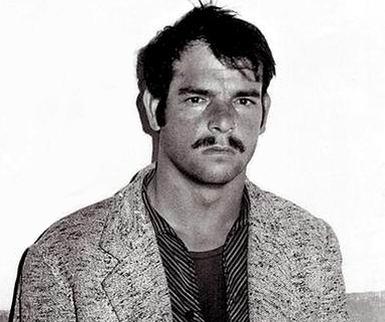
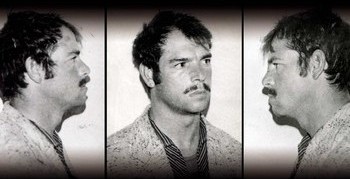
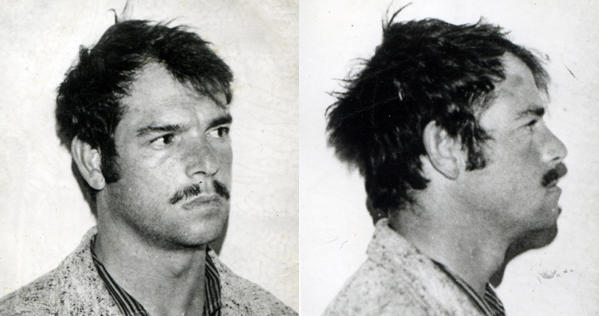
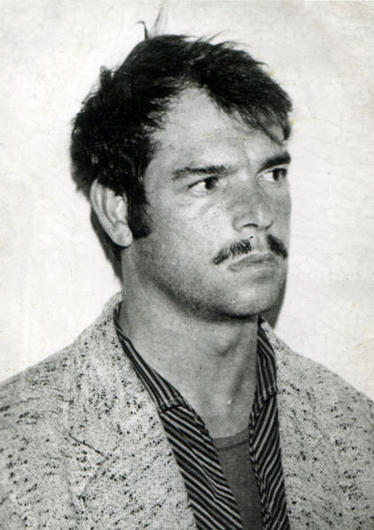
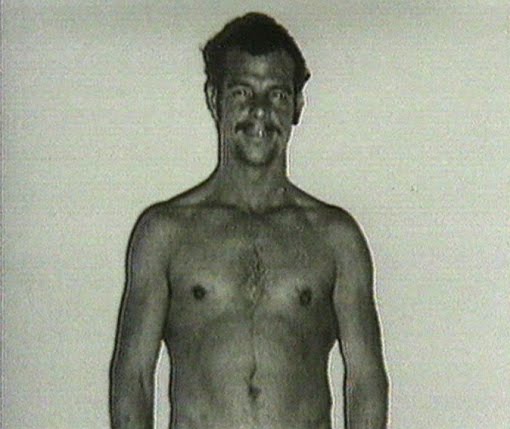
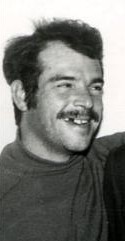
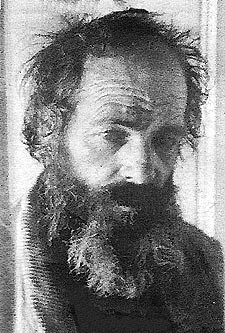
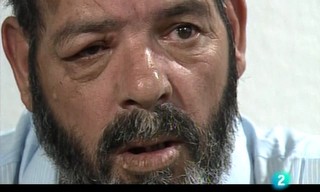
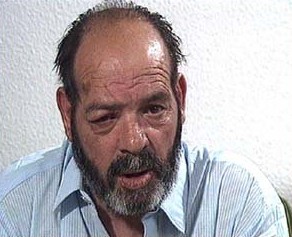
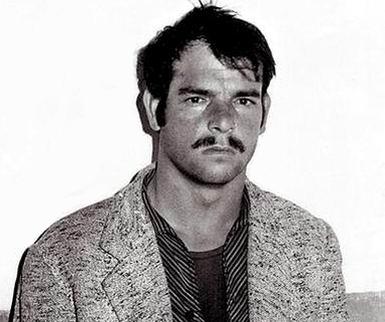
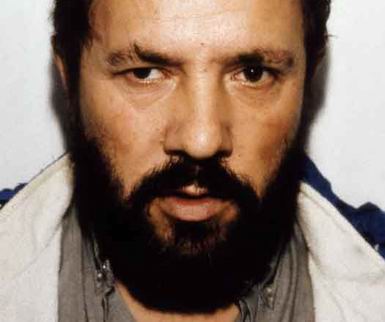
| Full Legal Name | Manuel Delgado Villegas. |
| Historical Alias | El Arropiero (inherited from his father, an itinerant fruit-syrup street vendor). |
| Criminological Significance | Recognized as the most prolific serial killer in modern Spanish history. |
| Typology | Disorganized itinerant serial killer / Opportunistic predator and necrophile. |
| Active Window | 1964 – 1971. |
| Geographical Scope | Andalusia, Catalonia, Madrid, Ibiza, France, and Italy (traveling on foot and hopping freight trains). |
| Victim Tally | Confessed to 48 murders to police investigators; formal judicial inquiries conclusively indicted him for 7 proven murders, with 22 additional cases possessing compelling forensic links. |
| Lethal Methods | Spanish Legion throat-chop martial strike (el golpe del dragón), manual/ligature strangulation with stockings or belts, and massive cranial crushing using heavy roadside boulders; recurring necrophilic desecration. |
| Neuro-Genetic Condition | Moderate cognitive impairment (oligophrenia) and 47,XYY karyotype ("supermale syndrome"), a landmark case in 1970s forensic genetics. |
| Judicial Resolution | Declared legally insane and non-imputable in 1978; committed indefinitely to maximum-security psychiatric penitentiary wards (Carabanchel and Fontcalent). Died of chronic obstructive pulmonary disease in Badalona on February 2, 1998, at age 55. |
Itinerant Life and Marginalization
Manuel Delgado Villegas was born in Seville on January 25, 1943. His mother died during childbirth, leaving him to be raised in destitution by his grandmother in Mataró and later by his itinerant father, a street vendor of grape-syrup (arrope), giving rise to his moniker "El Arropiero".
Completely illiterate and cognitively impaired, he spent his youth wandering along rural railways. In 1961, he enlisted in the Spanish Legion in Ceuta, where he underwent combat conditioning and mastered a lethal hand-edge strike to the trachea—a martial blow he would later deploy against defenseless victims across the country.
The Seven-Year Killing Spree (1964–1971)
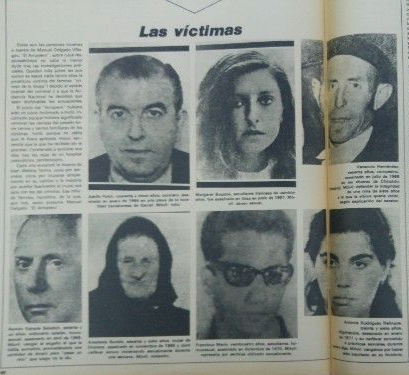
From 1964 to 1971, Delgado Villegas roved thousands of kilometers as a homeless transient across Spain, Southern France, and Italy. He murdered without planning or premeditation, killing opportunistically whenever the urge seized him: elderly shepherds, sleeping beachgoers, lone women, and children.
- Adolfo Folch Ontiveros (1964): 21-year-old killed while sleeping on a Sitges beach, his skull crushed with a large boulder.
- Margaret Hidaida (1967): French tourist strangled and sexually assaulted in Ibiza.
- Venancio Hernández (1968): 72-year-old shepherd bludgeoned in Seville.
- Ramón Estrada (1969): Murdered in El Prat de Llobregat with a fence post.
- Anastasia Borrella (1969): 68-year-old woman strangled in Mataró.
- Antonia Rodríguez (1971): Strangled in wasteland scrub outside Madrid.
- Antonia "Toni" Relinque (1971): His final verified victim, an intellectually disabled 38-year-old companion in El Puerto de Santa María, throttled with her own stockings in an olive orchard.
In multiple instances, forensic coroners confirmed post-mortem necrophilia.
Arrest in Cadiz and the 48 Confessions
On January 18, 1971, following the disappearance of Antonia Relinque in El Puerto de Santa María, national police detained Delgado Villegas as the last person seen in her company. Led by Chief Inspector Salvador Ortega, detectives were stunned when Delgado Villegas led them directly to the corpse and casually began recounting dozens of homicides committed across Spain over the previous decade.
"Buy me a coffee and a cigarette, and I will tell you another," he frequently told officers. For over two years, police escorted him in custody across Spain to reconstruct homicide scenes. In total, he confessed to 48 killings. Investigators corroborated seven with airtight forensic evidence and established compelling cases for twenty-two others, creating the largest criminal docket in Spanish history.
The XYY Genetic Finding and Indefinite Confinement
During pre-trial evaluation, medical specialists discovered that Delgado Villegas carried the 47,XYY karyotype, an extra male sex chromosome that was sensationalized in 1970s criminological literature as the "criminal supermale chromosome". While contemporary genetics has refuted a direct causal link to homicidal violence, psychiatric alienists determined that Delgado Villegas suffered from severe borderline intellectual disability and uncontrollable psychopathy that extinguished moral comprehension.
In 1978, the court declared him legally non-imputable (inimputable) due to chronic psychiatric insanity, barring standard criminal sentencing.
He was placed under permanent judicial confinement, spending twenty years in psychiatric penitentiaries in Madrid and Alicante. In the late 1990s, he was transferred to a psychiatric care facility in Badalona, Catalonia, where he died of respiratory failure on February 2, 1998, at age 55.