


Forensic & Criminological Matrix
| Parameter | Forensic Detail |
|---|---|
| Full Legal Name | Lock Ah Tam. |
| Criminological Typology | Paroxysmal intrafamilial mass murderer / Landmark Anglo-British medico-legal case on post-traumatic epilepsy and automatism. |
| Date of Crime | December 1, 1925 (approx. 1:30 AM). |
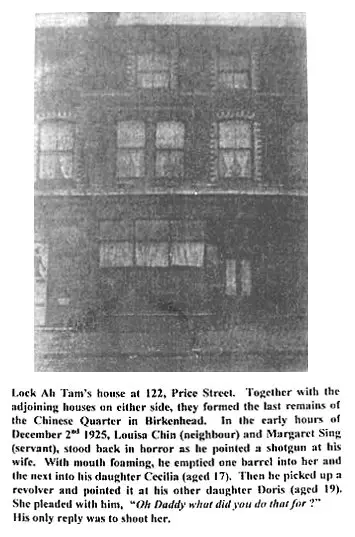
| Crime Scene | 122 Price Street, Birkenhead, Merseyside, United Kingdom. |
| Weapon | .32 caliber six-shot revolver. |
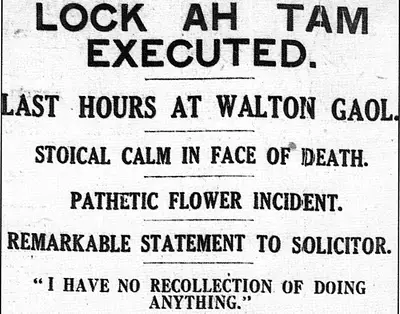
| Judicial Sentence | Death by hanging. Executed on March 23, 1926, at Walton Prison, Liverpool, by executioner Thomas Pierrepoint. |
Prominence and Community Stature
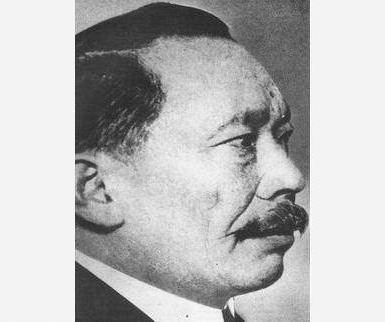
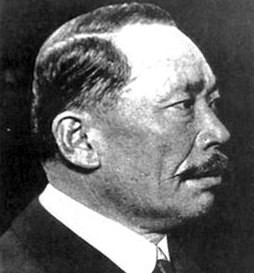
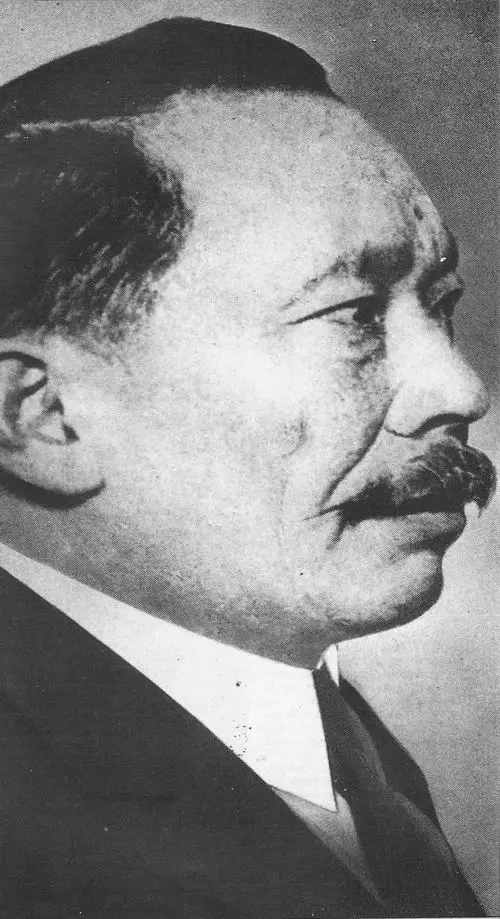
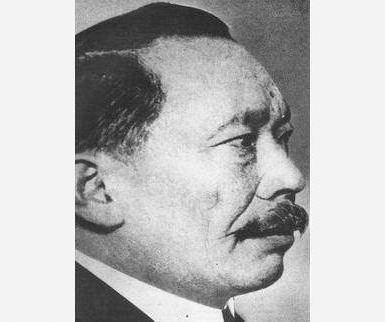
Lock Ah Tam was born in Canton (Guangzhou), China, around 1872. Emigrating to Britain in the late 19th century, he rose to become an influential stevedore superintendent, dock labor contractor, and trusted broker (comprador) for prominent British maritime shipping corporations, notably the Blue Funnel Line.
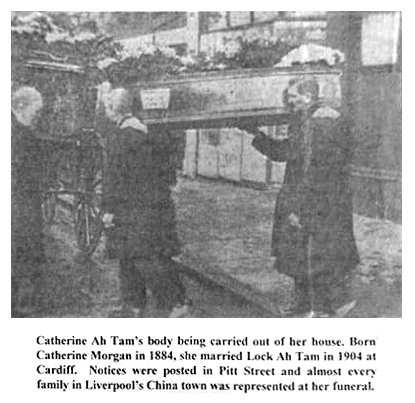
He married Catherine Morgan, a Welsh woman, and served as the respected President of the Chinese Association and Chee Kung Tong benevolent society in Birkenhead. Highly regarded by local civic authorities, magistrates, and police, he was known as a dignified, non-violent, tea-drinking philanthropist who resolved waterfront labor disputes and aided destitute foreign sailors.
The 1918 Brain Trauma and Personality Degradation
In February 1918, while intervening to break up a violent brawl among sailors at his social club, Tam was struck across the head with a heavy iron bar. He sustained an extensive depressed skull fracture and severe cerebral contusion that left him unconscious for days.
Following the injury, his demeanor deteriorated drastically, a shift documented by family physicians: previously patient and gentle, he suffered chronic migraines, memory blackouts, emotional outbursts, and episodic bouts of irrational, uncontrollable rage identified by modern neuro-criminology as symptoms of post-traumatic epilepsy and organic brain syndrome. By 1925, compounding these neurological crises, his maritime contracting businesses collapsed into insolvency.
The Price Street Slayings (December 1, 1925)
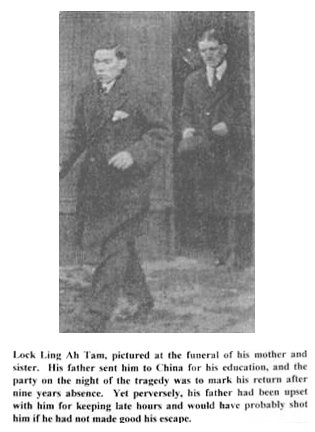
On the evening of November 30, 1925, following a farewell gathering for his son who was returning to China, Tam consumed alcohol—a substance known to severely exacerbate post-traumatic epileptic seizures.
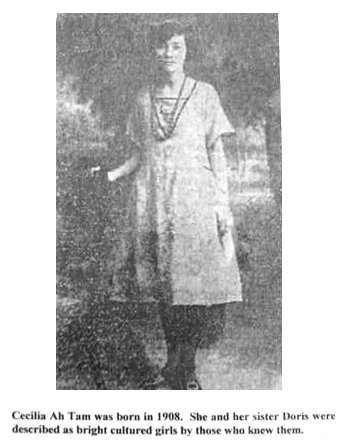
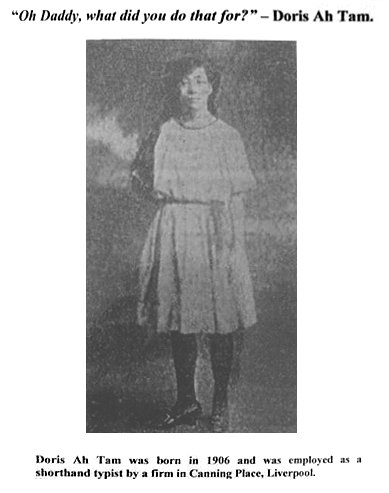
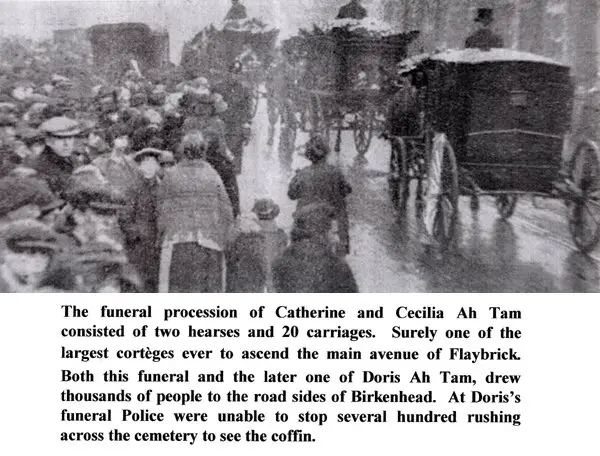
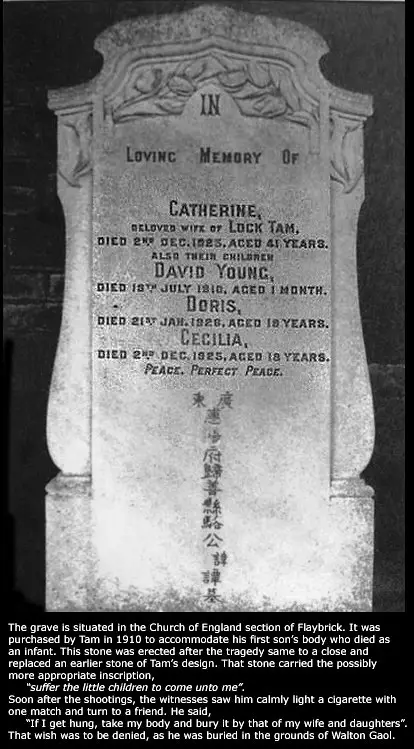
Around 1:30 AM on December 1, with no warning or antecedent quarrel, Tam fetched a loaded .32 revolver, walked into the master bedroom, and shot his sleeping wife Catherine in the temple. When his daughters Doris and Cecilia rushed into the corridor upon hearing the shots, Tam fired point-blank at both young women, killing all three almost instantly.
Moments after discharging the weapon, Tam emerged from what witnesses described as a trance-like stupor. He calmly picked up the telephone, dialed the Birkenhead police station, and stated: "Come to my house immediately; I have shot my wife and daughters." When constables arrived, he met them quietly at the front door, the revolver laid upon the dining table, exhibiting complete disorientation regarding what had just occurred.
Trial and the Historic Epileptic Automatism Defense
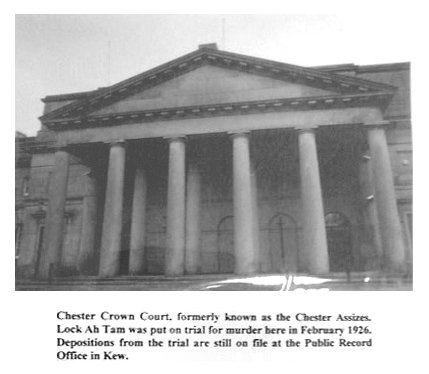
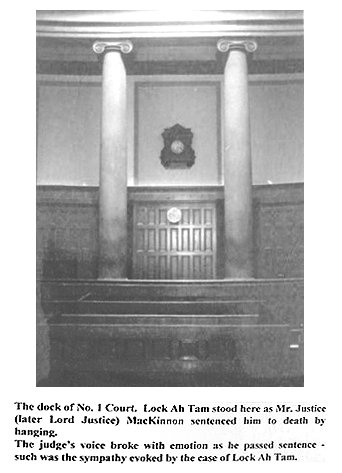
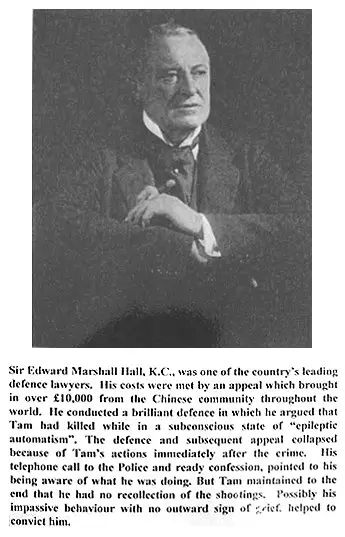
Tam stood trial at the Chester Assizes in February 1926. His defense team, led by renowned barrister Sir Ellis Hume-Williams, mounted a groundbreaking medical argument: Lock Ah Tam had acted in a state of epileptic automatism induced by the 1918 cranial fracture.
Leading neurologists and mental alienists testified that Tam had experienced an unheralded epileptic seizure wherein conscious voluntary control and moral awareness were extinguished, rendering him legally insane under the historic M'Naghten Rules.
However, Crown prosecutors countered that Tam's financial anxieties and calm telephone call to police demonstrated deliberate lucidity. The jury deliberated for a mere twelve minutes before rejecting the insanity plea and returning a verdict of guilty.
Hanging at Walton Gaol
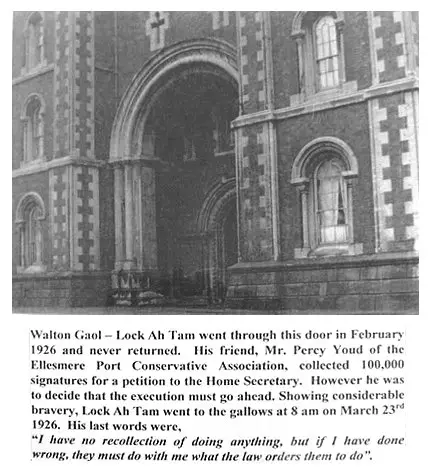
Despite extensive clemency appeals submitted by the Anglo-Chinese community, medical experts, and church leaders, Home Secretary Sir William Joynson-Hicks declined to intervene.
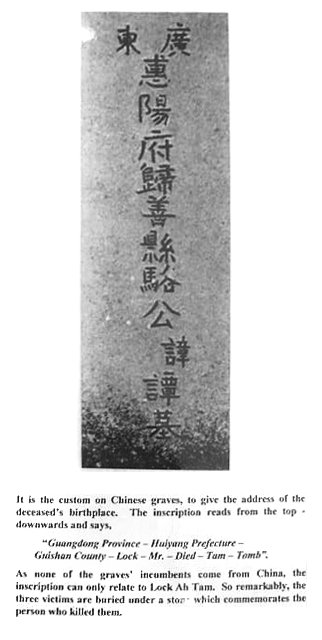
On March 23, 1926, at age 54, Lock Ah Tam was hanged at Walton Prison in Liverpool by Thomas Pierrepoint. The case remains a cornerstone precedent in British criminal jurisprudence concerning the medico-legal thresholds of involuntary automatism and post-traumatic cerebral pathology.