



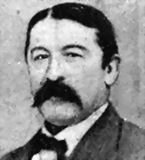
Buck Ruxton: The «Savage Surgeon», the Dalton Square Dismemberment, and the Moffat Murders
Executive Summary
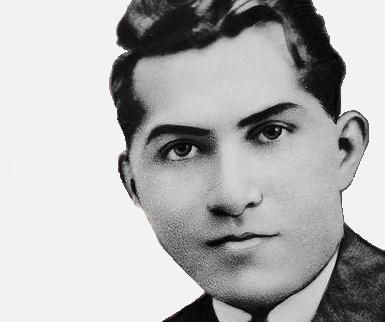
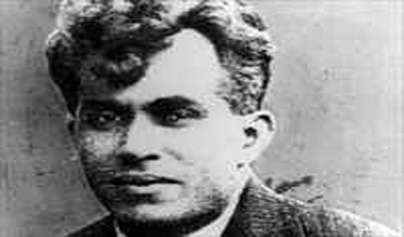
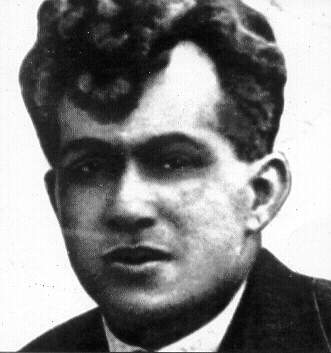
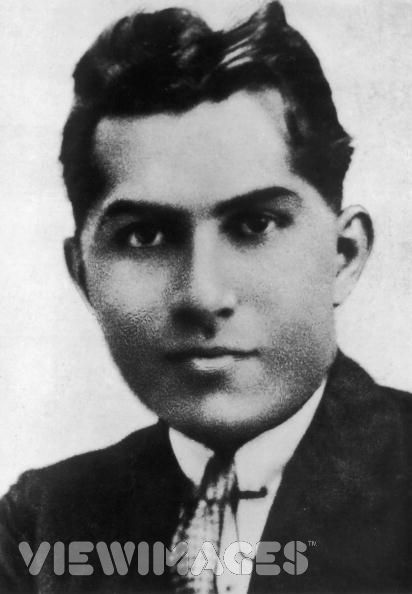
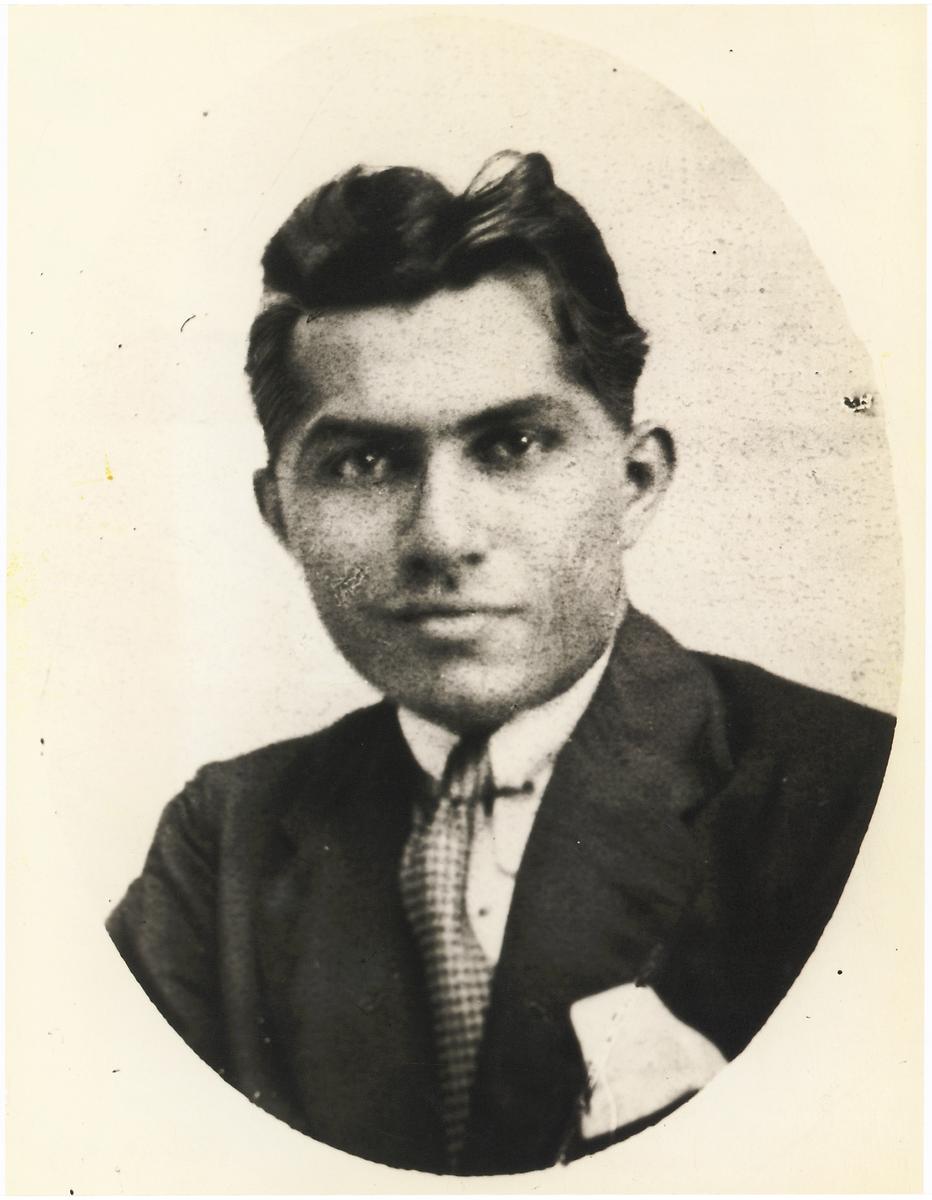
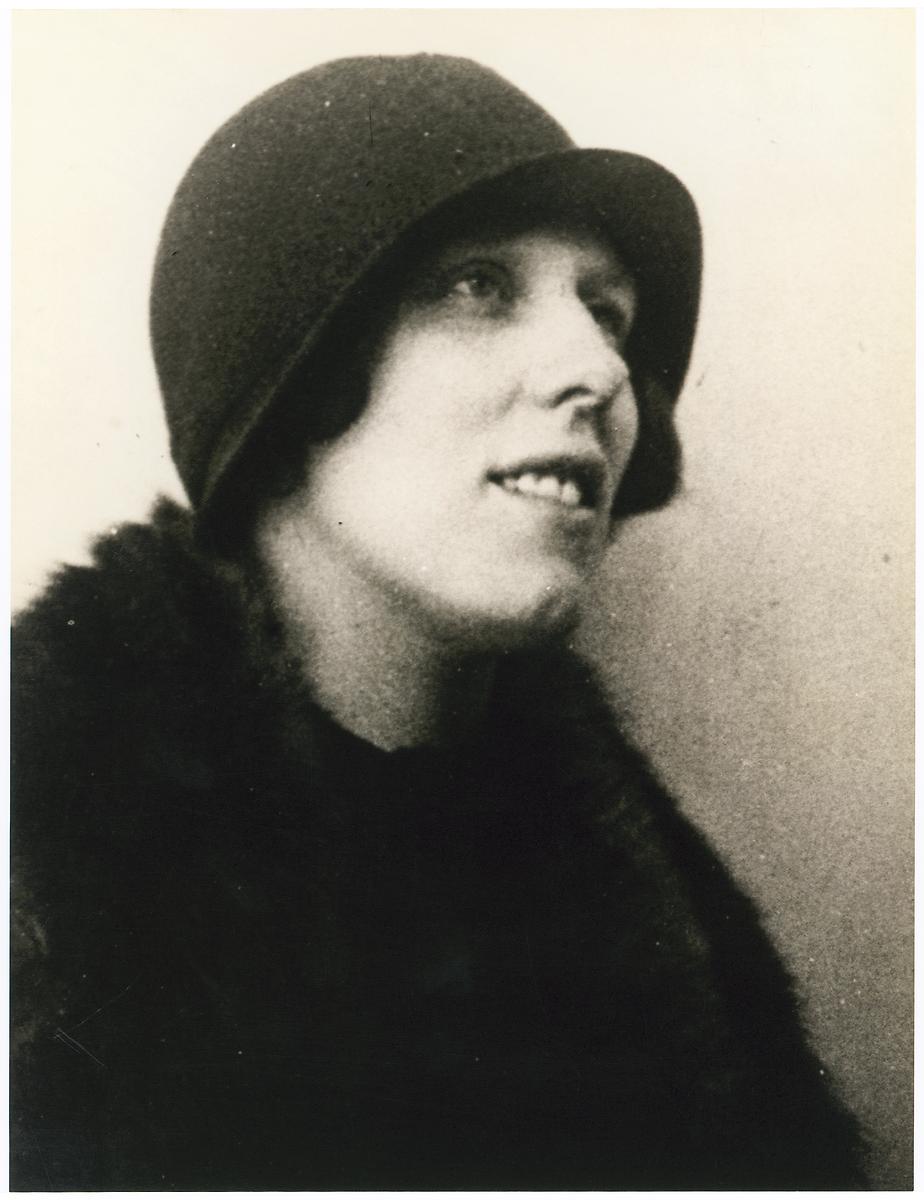
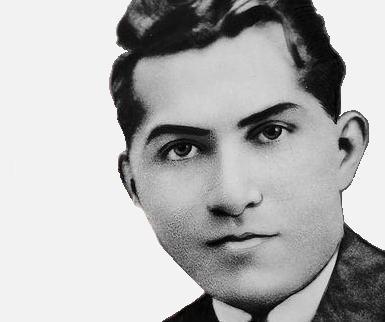
Buck Ruxton (born Bukhtyar Rustomji Ratanji Hakim; March 21, 1899 – May 12, 1936), known in British criminal annals as the «Savage Surgeon» and perpetrator of the «Jigsaw Murders», was a Bombay-born Parsi physician and surgeon who practiced medicine in northwest England. He was convicted and executed by hanging in May 1936 for the double murder and surgical dismemberment of his common-law wife, Isabella Ruxton (née Kerr, aged 34), and the family's nursery maid, Mary Jane Rogerson (aged 20).
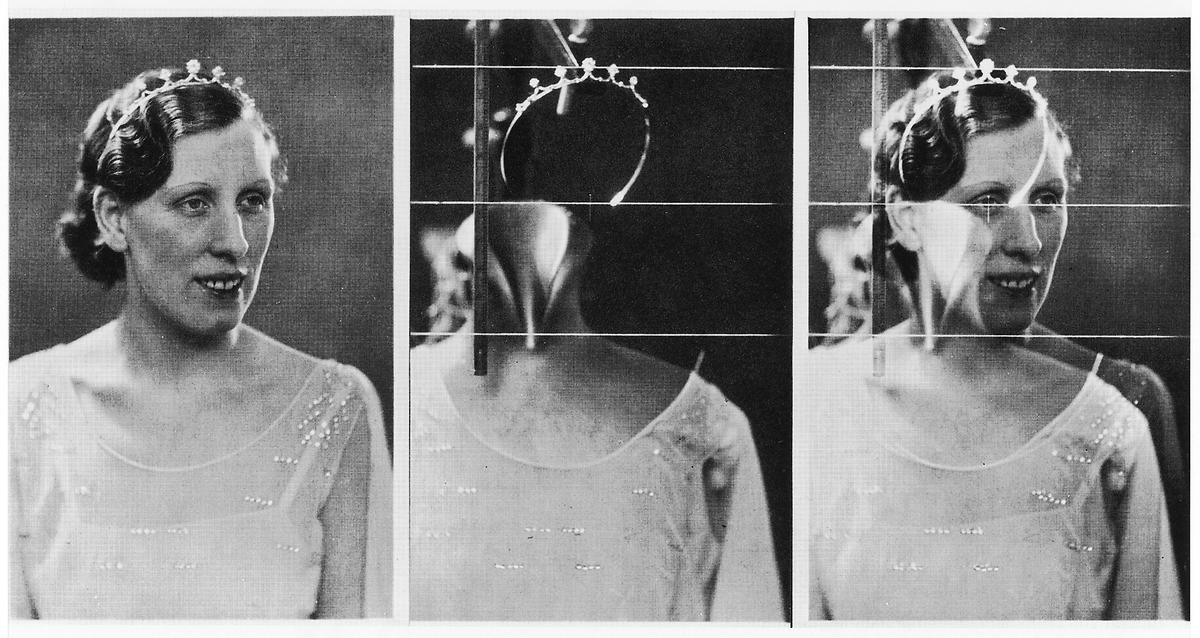
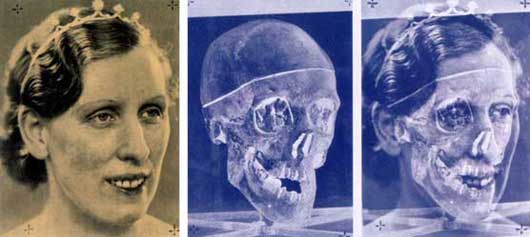
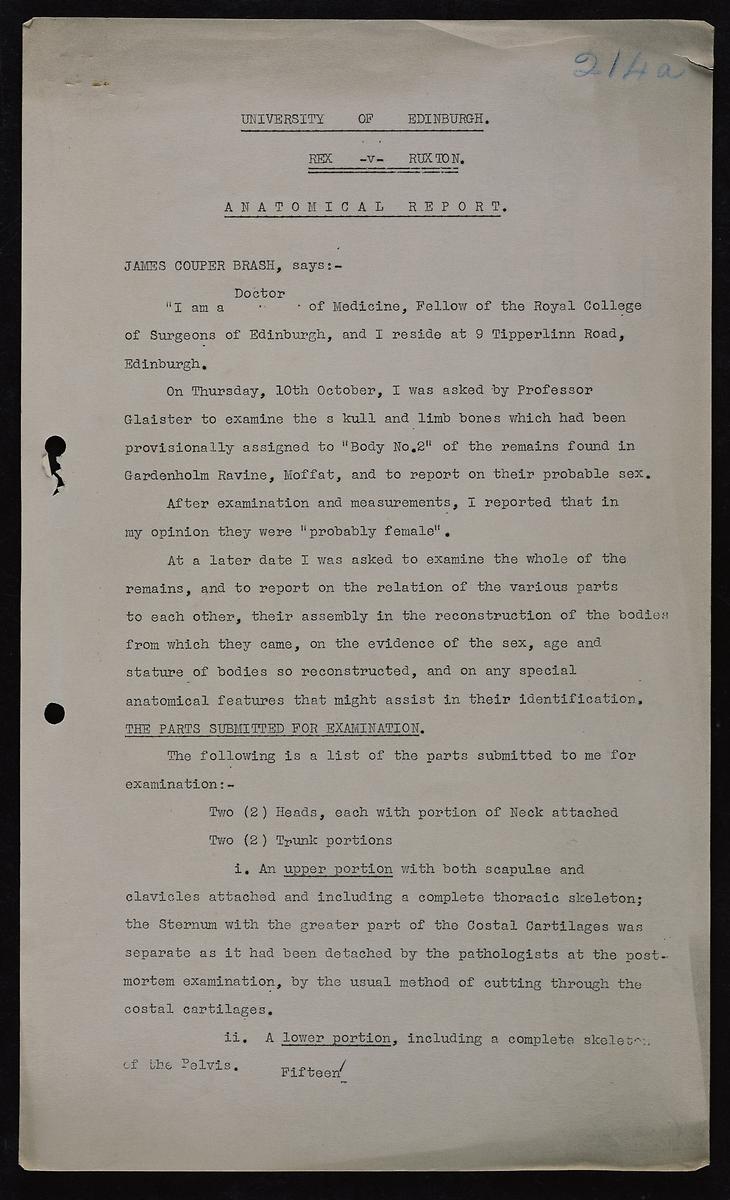
The Ruxton prosecution is universally recognized by legal historians and criminologists as the foundational milestone of modern forensic medicine and crime scene science. Following the gruesome discovery in September 1935 of more than seventy decomposed anatomical fragments discarded in the Scottish ravine of Gardenholme Linn near Moffat, Dumfriesshire—from which the killer had painstakingly excised eyes, lips, ears, fingertips, breasts, prominent teeth, and distinguishing birthmarks to prevent identification—the Crown coordinated an unprecedented scientific collaboration between the universities of Edinburgh and Glasgow. Professors John Glaister Jr. and John C. Brash pioneered and introduced into a court of law the revolutionary technique of craniofacial photographic skull superimposition, alongside forensic entomological analysis of blowfly larvae (Calliphora vicina), microscopic textile manufacturing defect matching, and palmar papillary ridge identification.
Despite brilliant technical defense representation by Sir Norman Birkett KC at the Manchester Assizes, the Crown's forensic edifice proved insurmountable. The jury required only sixty minutes to return a verdict of willful murder. Following the dismissal of his appeal, Buck Ruxton was hanged by executioner Thomas Pierrepoint at Strangeways Prison in Manchester on May 12, 1936, acknowledging his guilt in a posthumous handwritten confession released to the national press.
Forensic & Criminological Matrix
| Parameter | Forensic Detail |
|---|---|
| Original Legal Identity | Bukhtyar Rustomji Ratanji Hakim |
| Anglicized Legal Name | Dr. Buck Ruxton (formally amended by Deed Poll) |
| Criminological Aliases | "The Savage Surgeon" / "The Jigsaw Killer" / "The Moffat Murderer" |
| Date of Birth | March 21, 1899 (Bombay, British Raj / India) |
| Date of Execution | May 12, 1936 (Strangeways Prison, Manchester; aged 37) |
| Criminological Classification | Double Homicide / Methodical Anatomical Dismemberer / Morbid Paranoid Jealousy |
| Confirmed Fatalities | 2 (Isabella Ruxton, aged 34; Mary Jane Rogerson, aged 20) |
| Criminal Motive | Delusional obsessive jealousy toward spouse and elimination of eyewitness |
| Mechanics of Homicide | Manual asphyxia/strangulation with forearm hyoid compression; cranial blunt trauma and incised wounds |
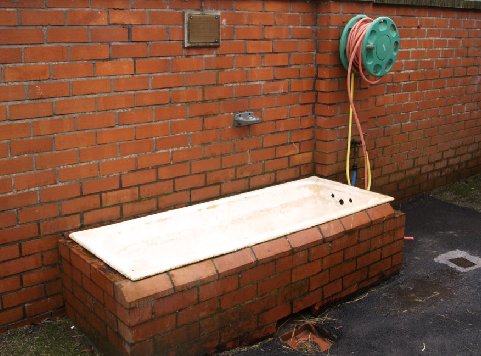
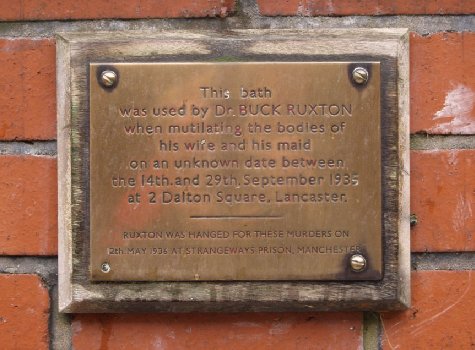
| Concealment Mechanics | Complete evisceration, dismemberment into >70 skeletal and soft tissue pieces in bathtub; selective facial ablation |
| Forensic Milestone | First judicial admission of craniofacial photographic superimposition, forensic entomology, and microscopic weave matching |
| Geographic Scenarios | 2 Dalton Square, Lancaster (Crime Scene); Gardenholme Linn ravine, Moffat, Scotland (Disposal Site) |
| Trial Court | Manchester Assizes (Crown Court of Manchester) |
| Presiding Judge | Sir John Edward Singleton (Mr. Justice Singleton) |
| Prosecution and Defense | Defense: Sir Norman Birkett KC / Prosecution: J. C. Jackson KC, David Maxwell Fyfe KC, Hartley Shawcross |
| Judicial Sentence | Capital punishment by hanging; executed by Thomas Pierrepoint |
Origins, Surgical Education, and Lancaster Practice (1899–1934)
Born in Bombay into a distinguished Parsi Zoroastrian family, Bukhtyar Rustomji Hakim demonstrated early academic promise. In 1922, he graduated as a physician and surgeon (Bachelor of Medicine and Surgery) from the University of Bombay with honors in obstetrics and gynecology. After serving with the British Malaria Commission in Basra and Baghdad and working as a ship's surgeon, he traveled to the United Kingdom in 1926 to pursue postgraduate surgical fellowships at University College Hospital, London, and the University of Edinburgh, aspiring to Fellowship in the Royal College of Surgeons (FRCS).
While in Edinburgh, he met Isabella van Ess (née Kerr), an outgoing Scottish woman separated from her Dutch husband. The two began an intimate cohabitation that lasted nearly a decade. To overcome institutional prejudice and ease his integration into the British medical establishment, Hakim executed a formal deed poll adopting the anglicized name Buck Ruxton.
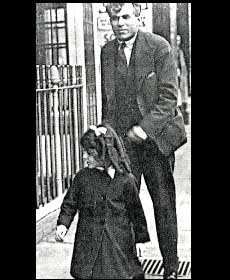
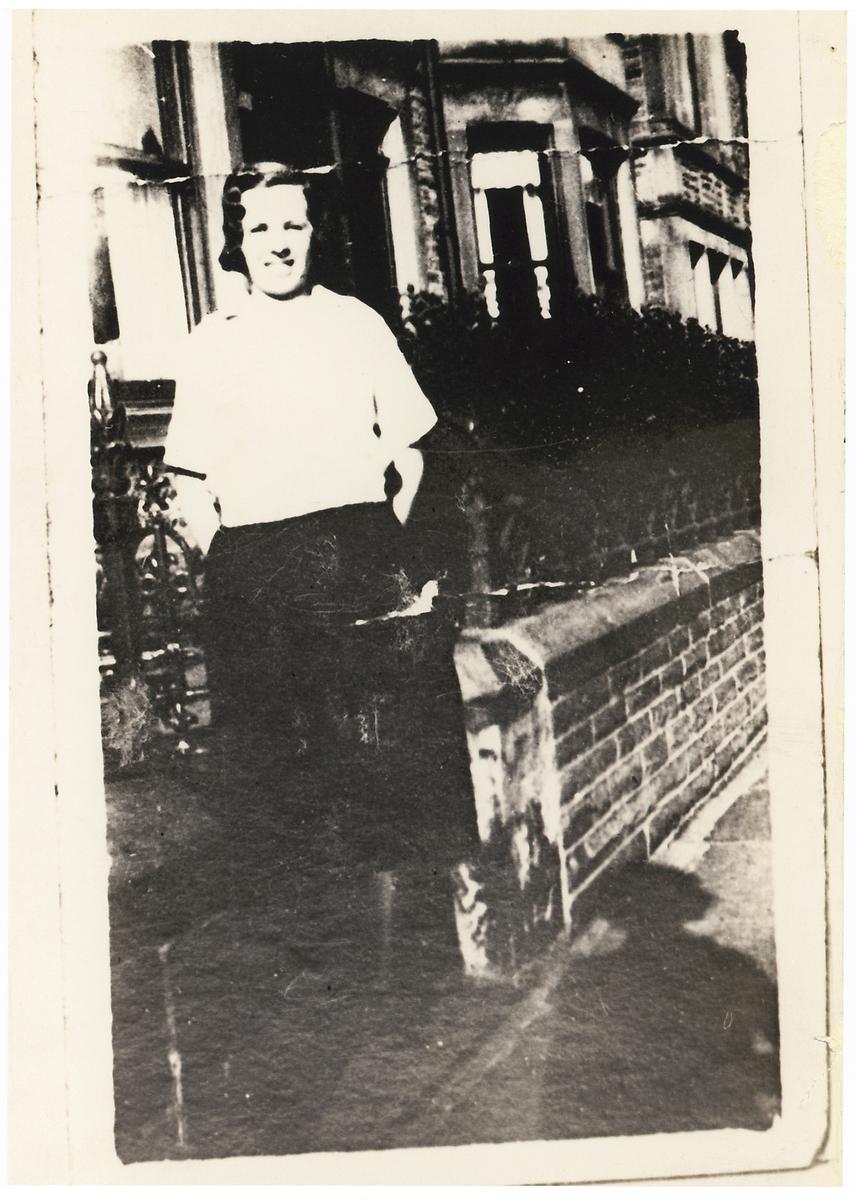
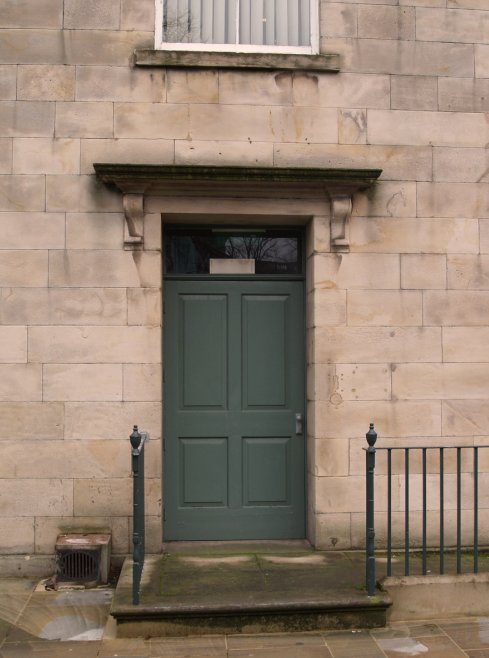
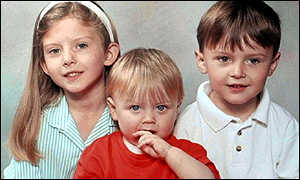
In 1930, Ruxton acquired a bustling general medical practice at 2 Dalton Square, a substantial Georgian residence in central Lancaster. Outwardly courteous, attentive, and notably charitable toward impoverished working-class families—frequently waiving treatment fees—he earned widespread respect within the community. The couple had three children: Elizabeth (born 1929), Diane (1931), and William (1933). To assist with domestic tasks and childcare, the family employed Mary Jane Rogerson, a trusted, respectable twenty-year-old local woman.
Delusional Jealousy and Marital Discord
Behind the respectable exterior of 2 Dalton Square lay an environment of escalating domestic terror:
- Ruxton suffered from profound narcissistic personality disorder accompanied by chronic paranoid delusions of infidelity. He obsessively monitored Isabella's mail, searched her personal diaries, and violently accused her of clandestine affairs with patients, local merchants, and mutual acquaintances.
- His suspicions fixed upon Robert Edmondson ("Bobbie"), an attractive young municipal officer in the Lancaster Borough Town Hall and close family acquaintance.
- Between 1933 and 1935, Isabella fled in terror to the Lancaster police station and to her sisters' residences in Blackpool on numerous occasions after facing threats against her life. Local police were aware of incidents in which Ruxton attempted manual strangulation, pulled a revolver on her, and uttered the chilling premonition: "One of these nights I will commit two murders in Dalton Square."
The Night of the Double Homicide (September 14–15, 1935)
On the evening of Saturday, September 14, 1935, Isabella Ruxton drove the family's Hillman sedan to Blackpool to visit her sisters Jeanie Nelson and Madden and view the autumn illuminations. At 23:30, she departed for the return drive to Lancaster. It was the last time her family saw her alive.
The Mechanics of the Killing
Upon her return to 2 Dalton Square in the early hours of Sunday, September 15:
- Ruxton ambushed Isabella on the upper landing. Overcome by volcanic rage, he launched a physical assault, fracturing her cervical hyoid bone through manual strangulation while inflicting multiple defensive incised cuts to her face, neck, and skull.
- Awakened by the violent disturbance and screams for help, the housemaid Mary Jane Rogerson ran up the stairs. Encountering the dying Isabella and witnessing the murder, she was attacked by Ruxton to eliminate an eyewitness: he struck her down, inflicting blunt-force skull fractures before strangling her into asphyxia.
- With both women dead, Ruxton dragged the corpses into the master bathroom.
Surgical Dismemberment in the Bathtub
Throughout Sunday, September 15, and Monday, September 16, Ruxton applied his anatomical expertise inside the bathroom:
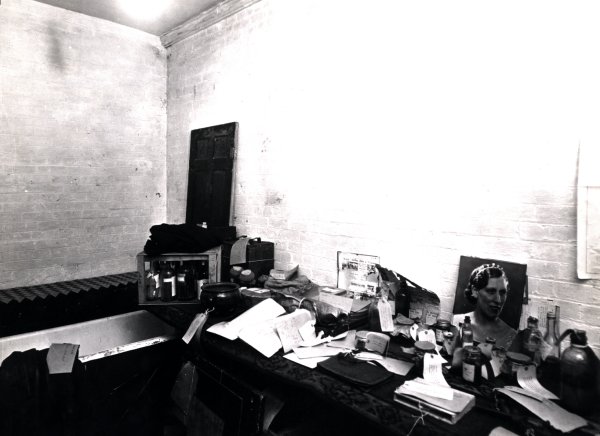
- He performed complete abdominal and thoracic evisceration, excising all soft organs to eliminate internal bacterial gas formation and delay decomposition.
- He disarticulated the heads, arms, and legs, slicing musculature and bone into more than seventy individual pieces.
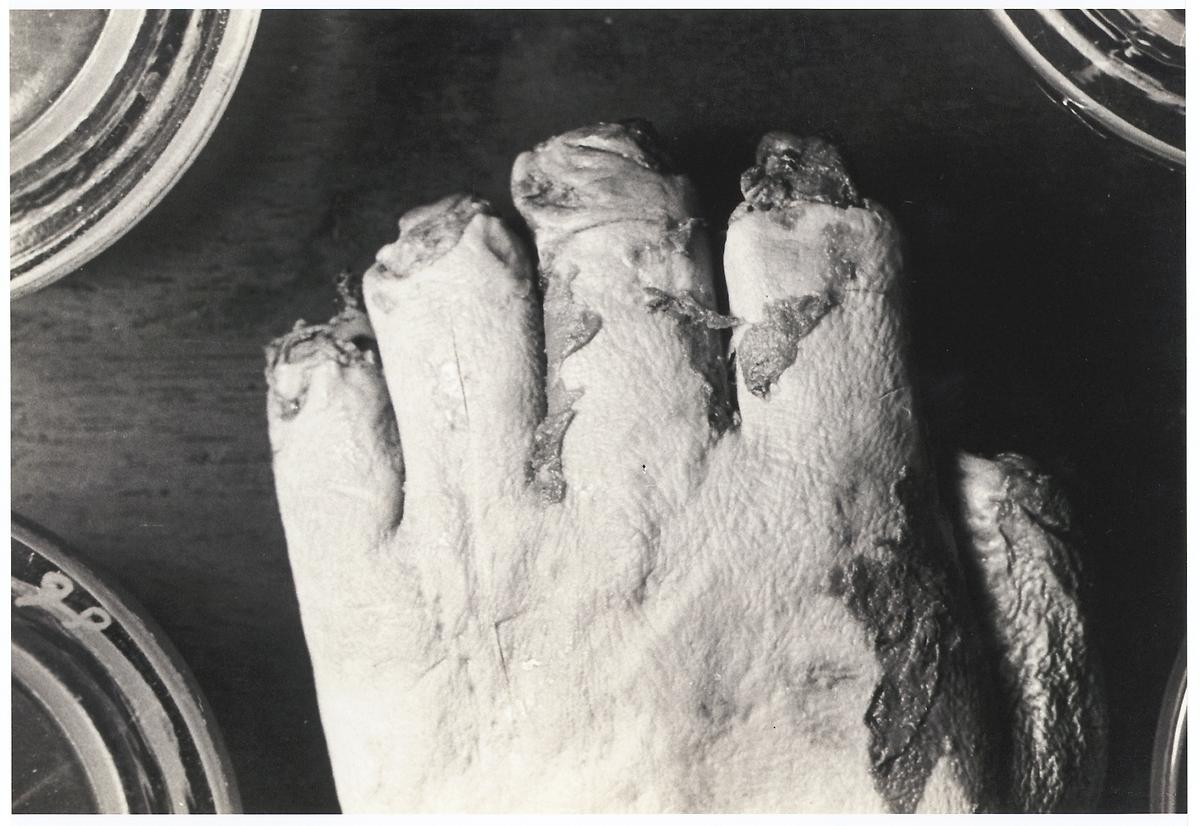
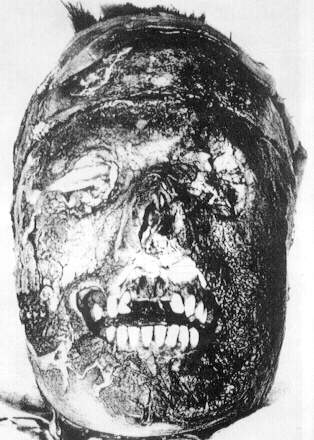
- Selective Ablation of Distinguishing Features: Using scalpels and dissection instruments, he excised skin from Isabella's legs (which exhibited noticeable chronic hypostatic edema), sliced away her fingertips, extracted prominent front teeth, and mutilated her nose and ears. From Mary Rogerson's body, he excised the eyes to mask a noticeable squint, shaved skin from her left forearm to remove a known birthmark, and amputated the distal phalanges of both hands to defeat dactyloscopic comparison.
- During the operation, Ruxton sustained a severe incised wound to his own right hand.
Concealment and Fraudulent Explanations
To eliminate traces of blood and dispose of the parcels, Ruxton executed a series of blundering maneuvers:
- He informed day maids Elizabeth Curwen and Agnes Oxley not to report for work, claiming Isabella and Mary had abruptly traveled to Edinburgh on holiday.
- He delivered his three young children into the temporary care of the Anderson family, a dental colleague in Morecambe.
- He hired a patient, Mrs. Hampshire, to scrub the blood-soaked stairs and hallways, giving away bloodstained carpets and a stained suit that he later desperately tried to retrieve to destroy tailor tags.
- He purchased drums of petrol to fuel large bonfires in his backyard, burning blood-soaked linens, clothing, and personal effects belonging to Isabella and Mary.
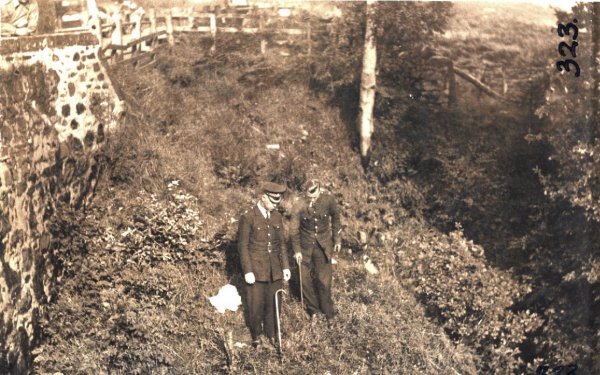
- He loaded the dismembered remains—wrapped in household bedsheets, pillowcases, and local copies of the Sunday Graphic—into the boot of his Hillman. He drove over one hundred miles north into Scotland, hurling the bundles from a stone bridge over the torrent of Gardenholme Linn, a ravine feeding the River Annan near Moffat.
The Moffat Discovery and the Forensic Revolution
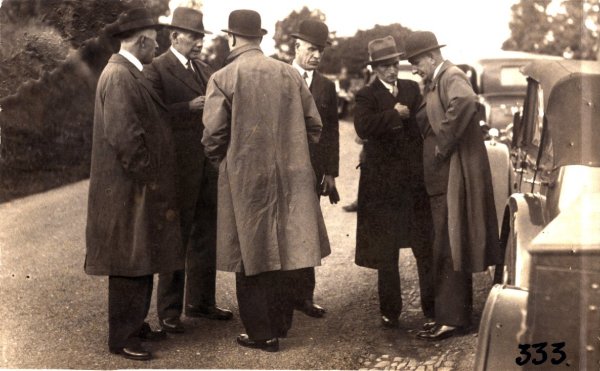
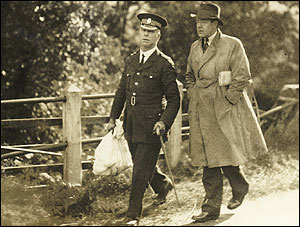
On September 19, 1935, Susan Johnson, walking across the Gardenholme Linn bridge near Moffat, noticed a torn parcel lodged among rocks in the stream bed displaying a protruding human arm. Dumfriesshire Constabulary subsequently recovered thirty packages containing putrefying anatomical fragments ravaged by maggots.
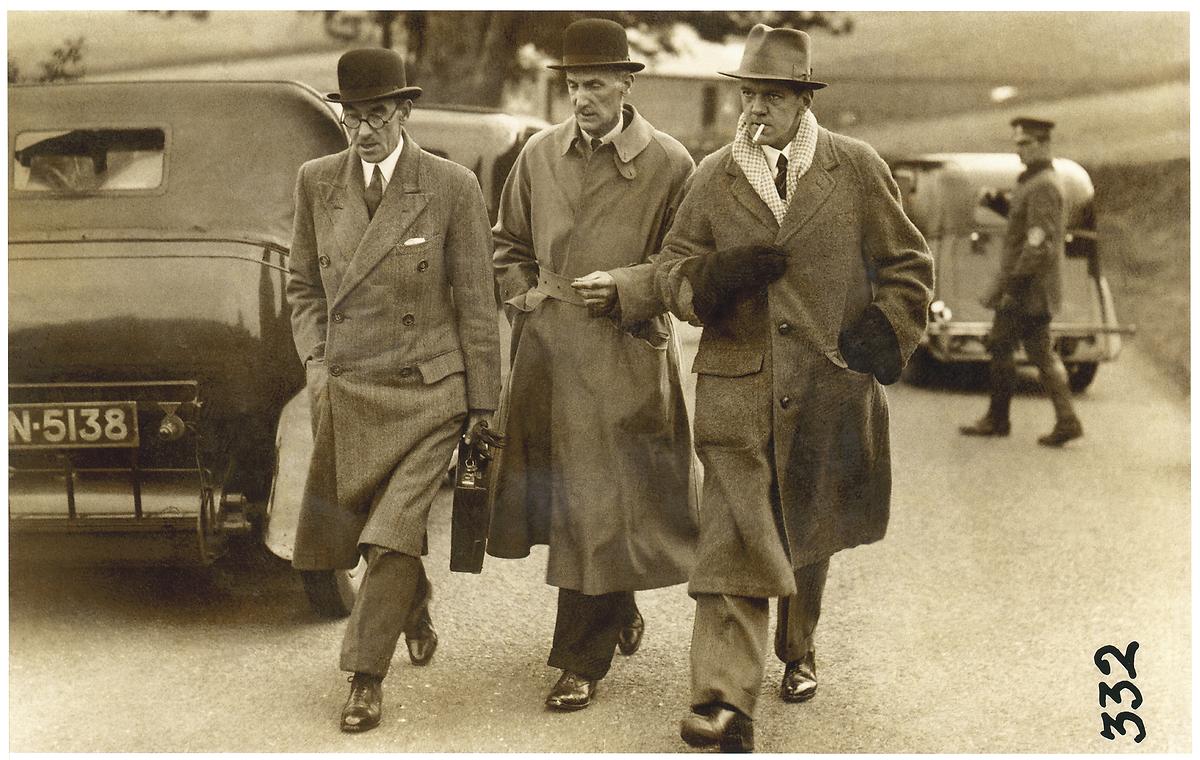
The scientific investigation was assigned to leading forensic authorities:
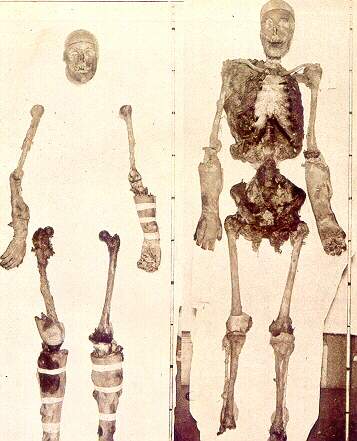
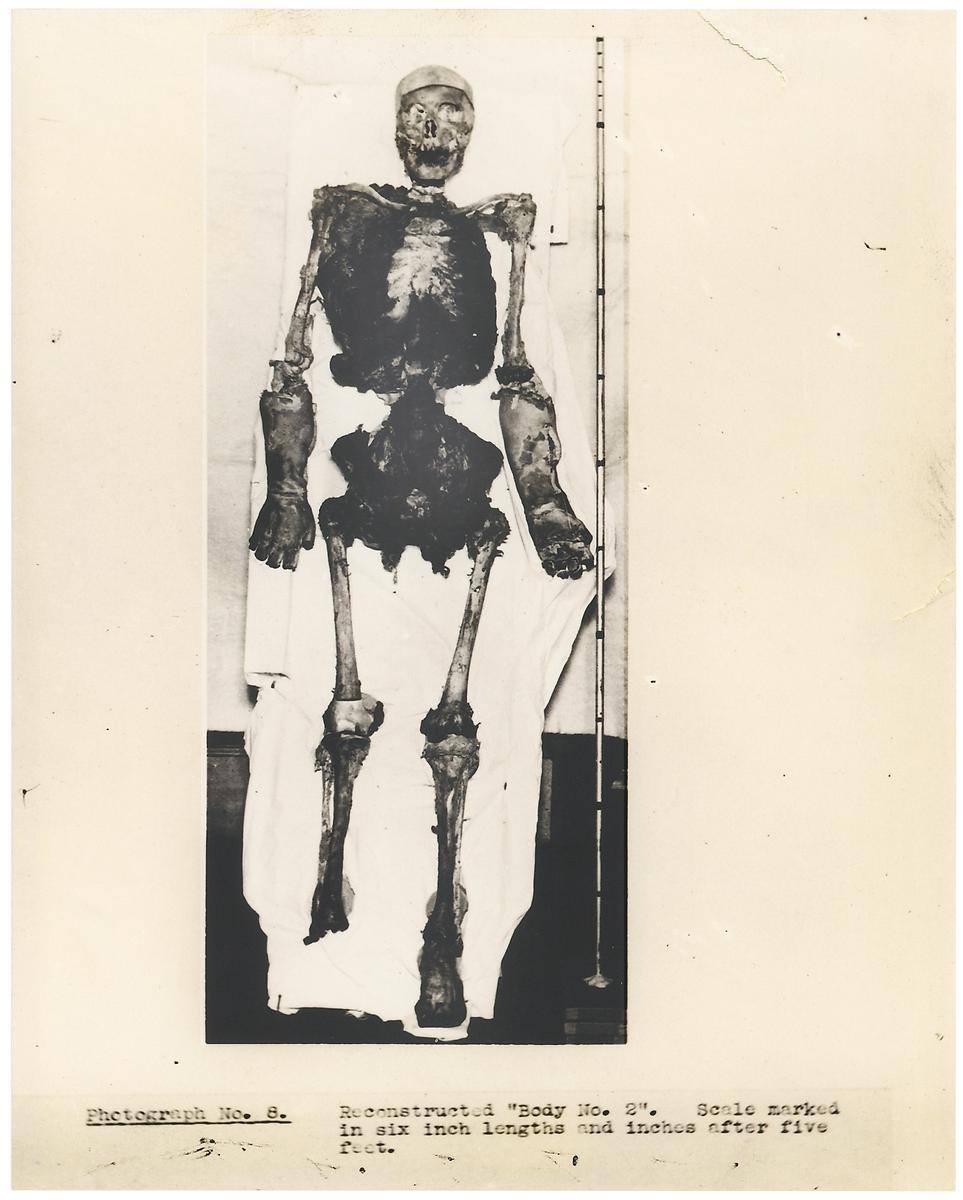
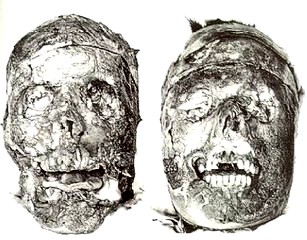
- Anatomical Assembly (Prof. John C. Brash & Dr. Gilbert Millar): Professor of Anatomy at the University of Edinburgh patiently reconstructed the skeletal puzzles, establishing that the remains represented two adult females: "Body 1" (a petite woman of about twenty years and 5 ft 0 in tall, matching Mary Rogerson) and "Body 2" (a mature woman of 34 years and 5 ft 5 in tall, matching Isabella).
- Forensic Entomology (Dr. Alexander Mearns): In a historic courtroom first, the lifecycle stages of bluebottle blowfly larvae (Calliphora vicina) recovered from the muscle tissue were used to calculate a precise post-mortem interval, dating the deposition of the remains to between September 16 and 18.
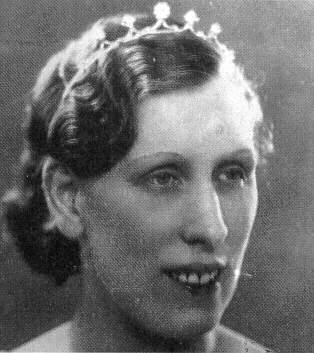
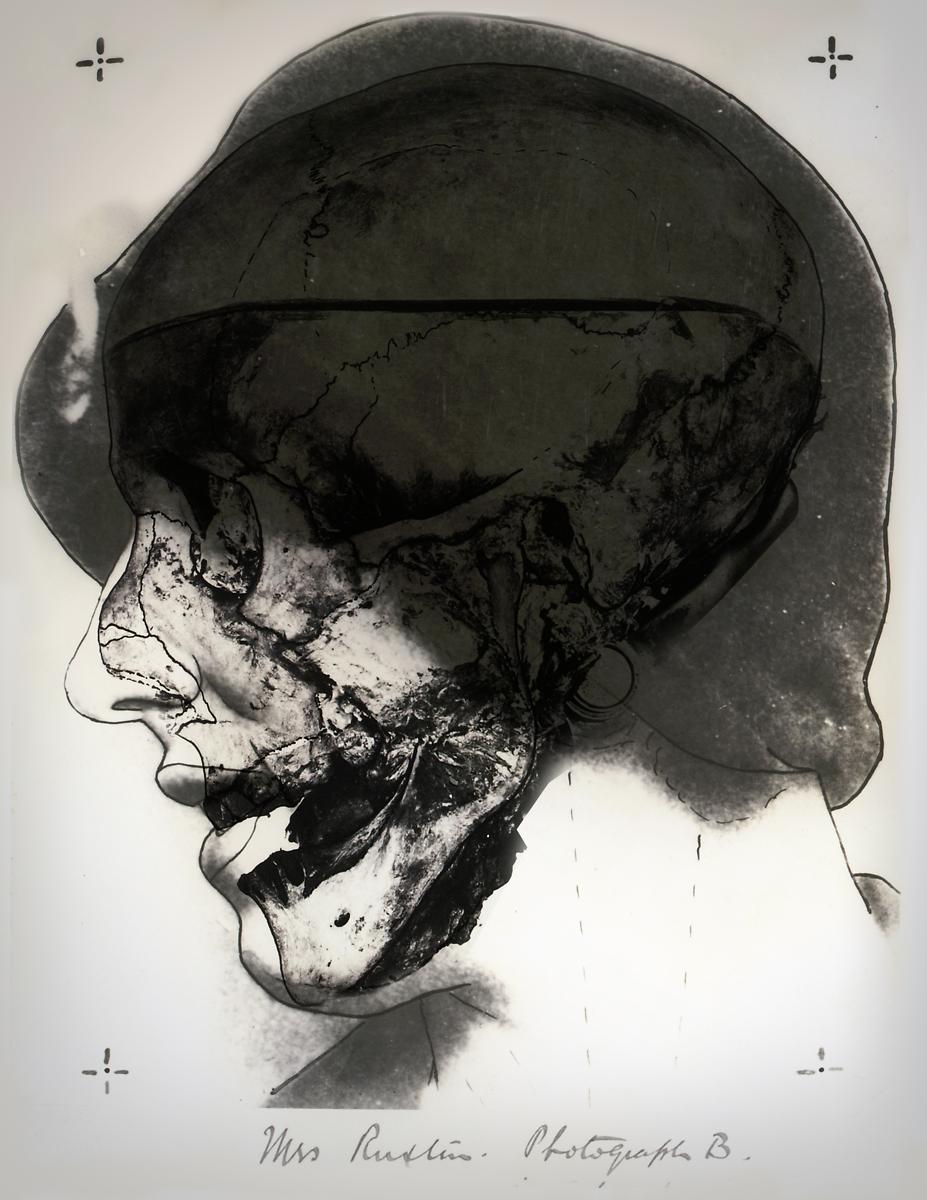
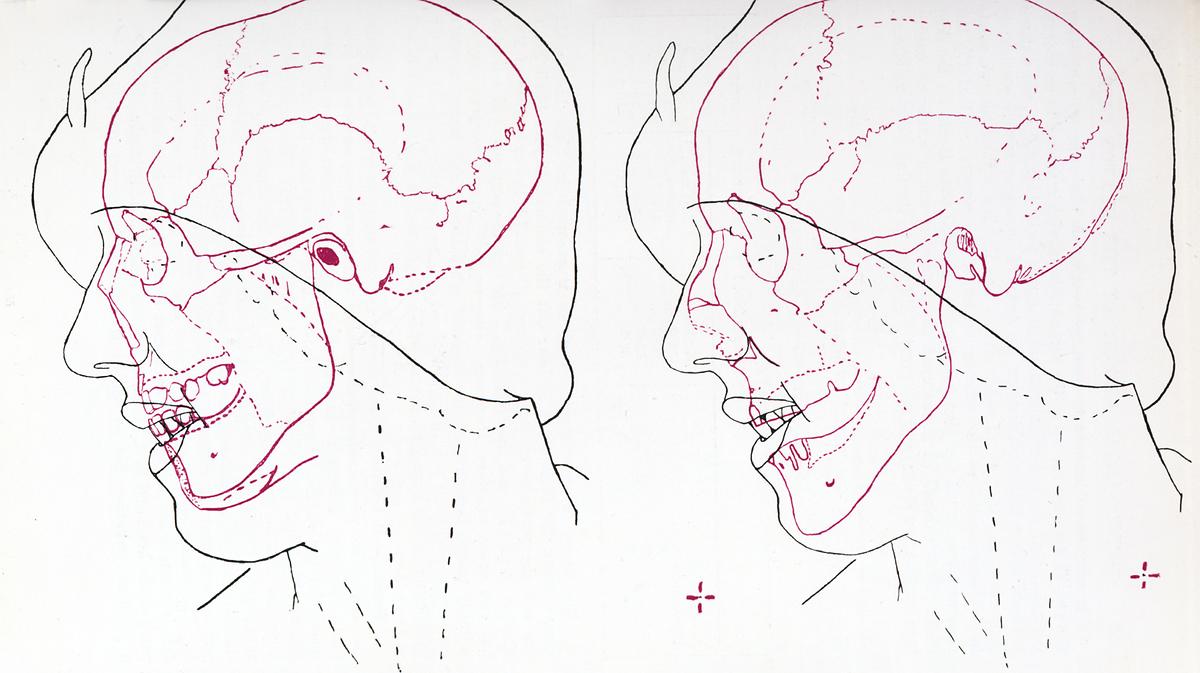
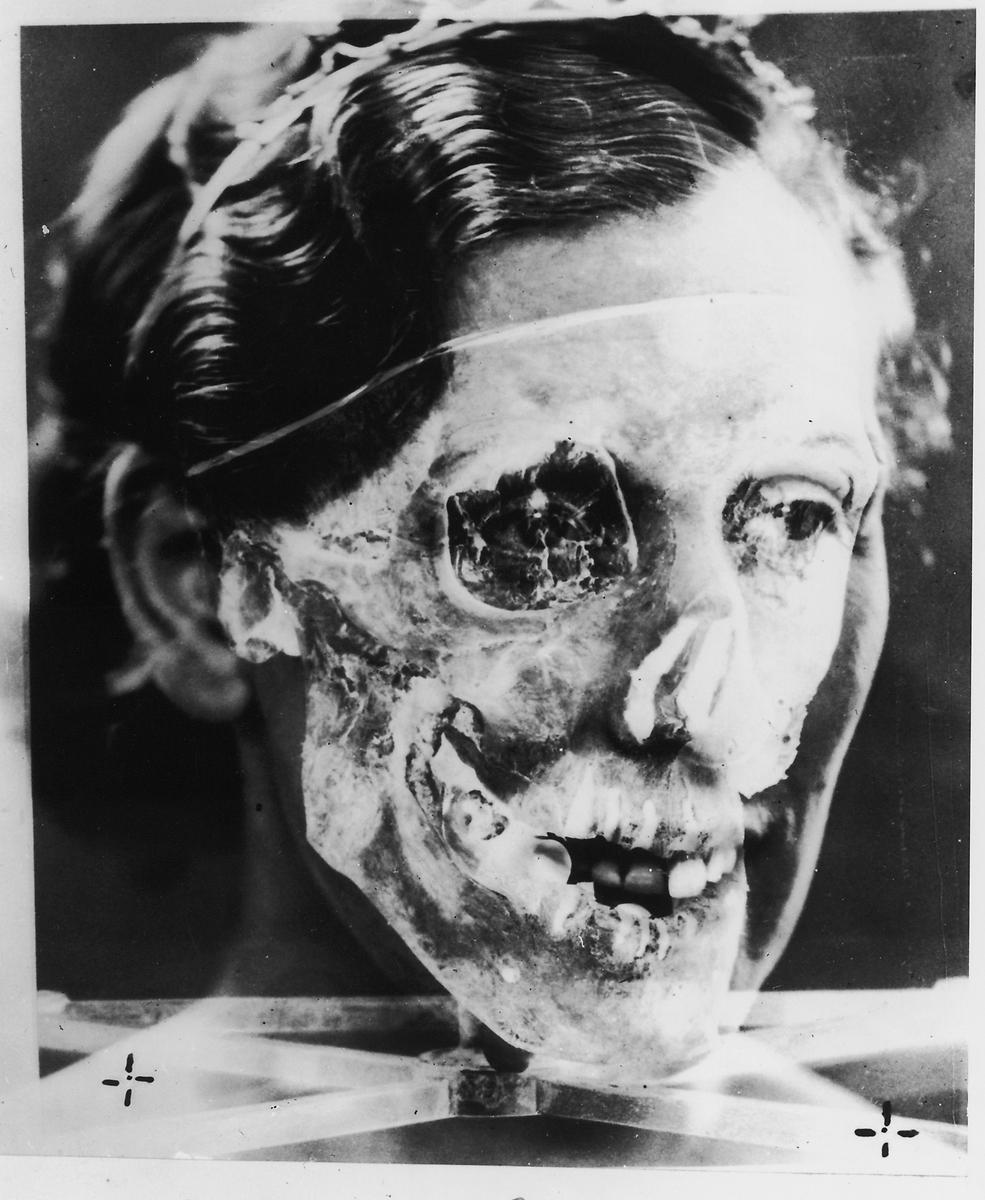
- Craniofacial Photographic Skull Superimposition: Professor Brash projected photographic slides of the defleshed skulls directly onto 1:1 life-size portrait photographs of Isabella Ruxton and Mary Rogerson. The precise alignment of eye sockets, cheekbones, mandibular curves, and cranial contours matched perfectly, marking the first judicial admission of craniofacial skull superimposition in a murder trial.
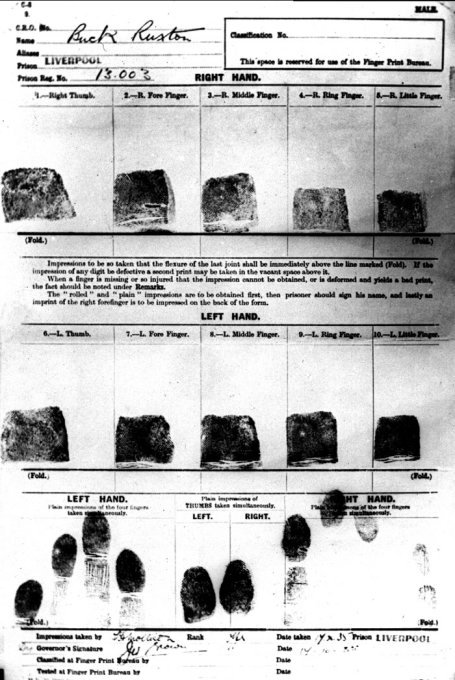
- Dactyloscopic and Textile Matching: Detective Bertie Hammond matched latent thumb and palm prints from Mary Rogerson on domestic items in Dalton Square to the dismembered hands. Forensic textile analyst Fred Barwick of the Manchester Chamber of Commerce proved that the cotton bedsheets wrapping the torsos originated from the exact same loom run and contained identical manufacturing flaws as the sheets on the children's beds at Dalton Square.
- The Tell-Tale Newspaper: Anatomical segments were wrapped in a copy of the Sunday Graphic dated September 15, 1935. It was a limited slip edition distributed exclusively in Lancaster and Morecambe.
Trial at the Manchester Assizes (March 1936)
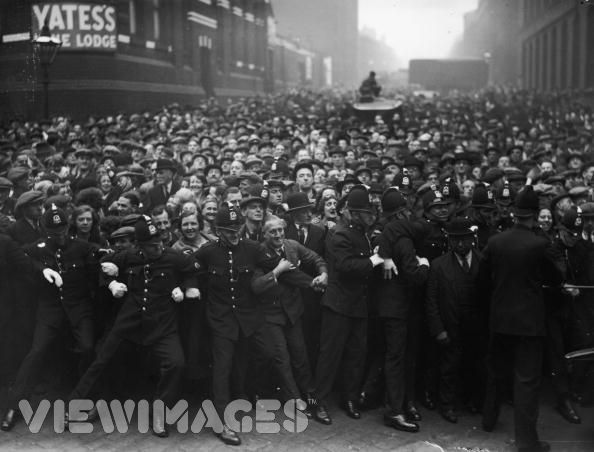
On October 13, 1935, following glaring contradictions during interrogation and alleging police racial bias, Dr. Buck Ruxton was formally arrested.
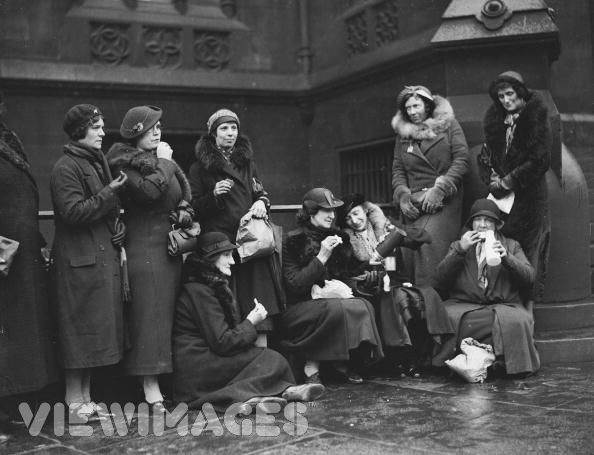
The murder trial opened on March 2, 1936, at the Manchester Assizes before Mr. Justice Sir John Edward Singleton:
- The Crown: Represented by J. C. Jackson KC alongside future cabinet ministers David Maxwell Fyfe and Hartley Shawcross, the prosecution marshaled over one hundred witnesses, presenting anatomical skeletons, toxicology reports, and radiographic slide projections by Brash and Glaister.
- The Defense: Led by legendary advocate Sir Norman Birkett KC, who sought to challenge the absolute certainty of the identification of the Moffat remains.
- Ruxton's Breakdown: Taking the witness stand on the ninth day, Ruxton broke down in weeping fits, unable to explain arterial blood spray patterns in his bathtub, the deep cut on his hand, or why he gave away bloodstained rugs while lying about his wife's whereabouts.
On March 13, 1936, after sixty minutes of deliberation, the jury returned a verdict of guilty of willful murder. Mr. Justice Singleton assumed the Black Cap and passed sentence of death by hanging.
Execution and Criminological Legacy
After the Court of Criminal Appeal dismissed his appeal and Home Secretary Sir John Simon rejected clemency petitions signed by thousands of Lancaster residents, Buck Ruxton was hanged at 09:00 on May 12, 1936, at Strangeways Prison in Manchester by executioner Thomas Pierrepoint.
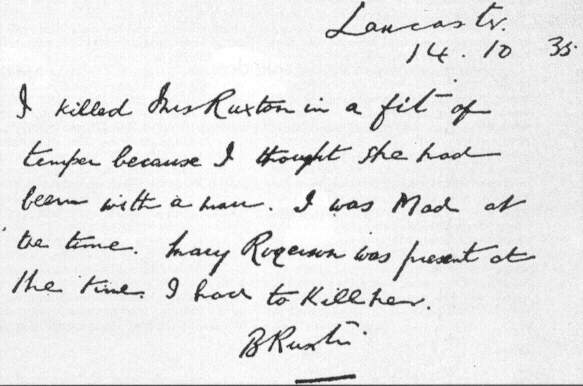
The following morning, the London Daily News published a handwritten confession Ruxton had given to his solicitors prior to entering the condemned cell:
"In the name of God Almighty, I declare that I killed my wife in a fit of jealous fury, and that I killed Mary Rogerson because she saw what happened in the room and tried to intervene. I ask God to forgive my sins."
The house at 2 Dalton Square remained tenantless for decades due to public stigma before conversion into commercial offices. The investigative exhibits and anatomical skull models created by Glaister and Brash remain preserved as foundational artifacts in the Forensic Medicine Museum of the University of Edinburgh.
Nominal Victims Register
| Victim Identity | Age | Relationship | Date of Murder | Recovery Location | Medico-Legal Cause of Death |
|---|---|---|---|---|---|
| Isabella Ruxton (née Kerr) | 34 | Common-law partner / Mother of 3 | September 15, 1935 | Gardenholme Linn ravine, Moffat (Dumfriesshire, Scotland) | Asphyxia secondary to manual strangulation with hyoid fracture, blunt cranial trauma, and subsequent dismemberment |
| Mary Jane Rogerson | 20 | Domestic nursery maid | September 15, 1935 | Gardenholme Linn ravine, Moffat (Dumfriesshire, Scotland) | Severe blunt-force craniocerebral trauma, homicidal asphyxia, and surgical anatomical dismemberment |