Forensic & Criminological Matrix
| Parameter | Forensic Detail |
|---|---|
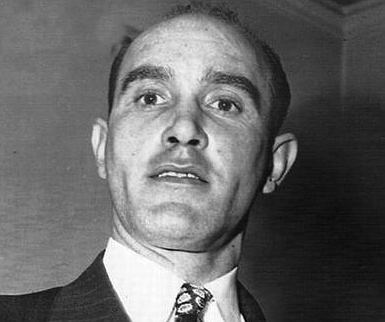
| Forensic Heading / Aliases | Rattlesnake James, Robert S. James |
| Legal Identity | Major Raymond Lisenba |
| Confirmed Victims | 1 (Mary Busch) |
| Attributed / Indicted Victims | 3 (Winona Wallace, Cornelius Wright, Mary Busch) |
| Active Timeline | 1932-1935 |
| Jurisdiction / Area of Operations | Colorado, Alabama, California |
| Criminological Classification | Profit-motivated serial killer |
| Forensic Modus Operandi | Staged accidents (drowning, falls, snakebites) |
| Weapon / Mechanism of Death | Rattlesnakes, drowning, blunt force trauma |
| Motive / Behavioral Dynamics | Financial gain (insurance fraud) |
| Judicial Outcome | Executed by hanging at San Quentin |
1. Background and Profile
Born in Alabama in 1895, Major Raymond Lisenba was a barber who systematically targeted women for financial gain. He was known for his manipulative nature and his ability to assume new identities, most notably 'Robert S. James', to facilitate his insurance scams.
2. Criminal Career and Modus Operandi
Lisenba's modus operandi involved marrying women, insuring their lives, and then staging 'accidental' deaths. His most infamous act involved using rattlesnakes to attempt to kill his pregnant wife, Mary Busch, before ultimately drowning her in a garden pond when the venom failed to kill her quickly enough.
3. Investigation and Arrest
Following the suspicious death of Mary Busch, authorities linked Lisenba to previous deaths, including his first wife Winona Wallace and his nephew Cornelius Wright. The testimony of accomplice Charlie Hope provided the necessary evidence to secure a conviction.
4. Legal Proceedings and Outcome
Lisenba's trial was a landmark case regarding the admissibility of confessions obtained through police coercion. Despite appeals to the U.S. Supreme Court, his conviction was upheld. He was executed by hanging on May 1, 1942, in what was recorded as a botched execution.