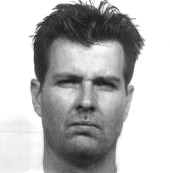





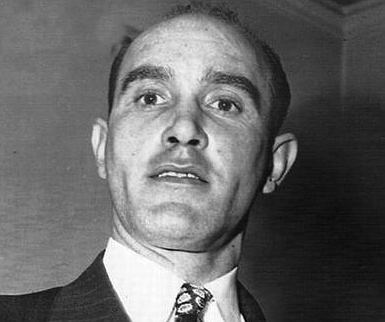
Forensic & Criminological Matrix
| Parameter | Forensic Detail |
|---|---|
| Forensic Heading / Aliases | David Martin Long |
| Legal Identity | David Martin Long |
| Confirmed Victims | 3 |
| Attributed / Indicted Victims | 7 |
| Active Timeline | 1986 |
| Jurisdiction / Area of Operations | Lancaster, Texas, USA |
| Criminological Classification | Serial Killer |
| Forensic Modus Operandi | Blunt force trauma with a hatchet |
| Weapon / Mechanism of Death | Hatchet |
| Motive / Behavioral Dynamics | Interpersonal conflict and institutional trauma |
| Judicial Outcome | Executed by lethal injection |
1. Background and Profile
David Martin Long (1953–1999) was an American criminal whose life was defined by long-term institutionalization within the California correctional system. Long famously blamed his violent nature on the California Youth Authority, stating that such institutions "create monsters." His psychological profile was characterized by chronic instability, alcoholism, and a profound inability to function within societal norms.
2. Criminal Career and Modus Operandi
In 1986, while hitchhiking after being discharged from an alcohol abuse program in Little Rock, Arkansas, Long was offered shelter by Donna Sue Jester in Lancaster, Texas. His modus operandi involved the use of a hatchet to commit brutal murders. The victims included Donna Sue Jester (37), her blind cousin Dalpha Lorene Jester (64), and Laura Lee Owens (20). Long claimed the murders were triggered by the victims' objections to his drinking and his frustration with domestic bickering.
3. Investigation and Arrest
Law enforcement tracked Long following the discovery of the bodies. He was apprehended in Austin, Texas, approximately one month after the crimes. Forensic evidence and his own confession linked him to the Lancaster residence. While he was convicted for three murders, he later confessed to committing a total of seven homicides.
4. Legal Proceedings and Outcome
The case gained significant media attention in December 1999 when Long attempted suicide by overdosing on hoarded anti-psychotic medication two days before his scheduled execution. He was placed on life support in a Galveston hospital. The state of Texas, under Governor George W. Bush, made the controversial decision to medically stabilize him to ensure he could be executed as scheduled, asserting his legal competency.
5. Forensic Conclusion
Long was executed by lethal injection on December 8, 1999, in Huntsville. In his final statement, he expressed remorse and criticized the correctional system that he believed had shaped his violent behavior. During the execution, Long suffered a medical complication, vomiting a charcoal solution administered at the hospital, which caused a distressing scene for witnesses. He was the 196th inmate executed in Texas since the state resumed capital punishment in 1982.