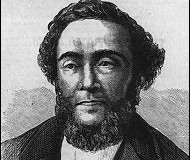
Forensic & Criminological Matrix
| Parameter | Forensic Detail |
|---|---|
| Forensic Heading / Aliases | The Genius Killer |
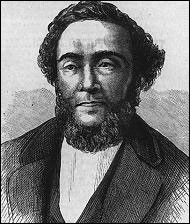
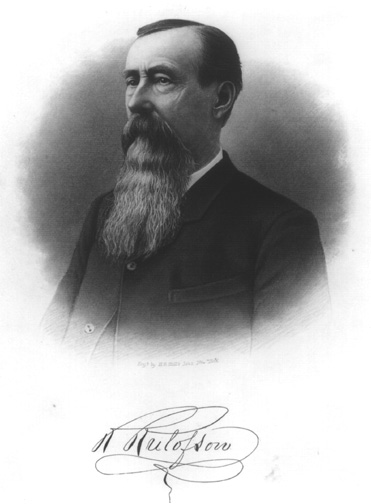
| Legal Identity | John Edward Howard Ruloffson |
| Confirmed Victims | 1 |
| Attributed / Indicted Victims | 3 |
| Active Timeline | 1845 - 1870 |
| Jurisdiction / Area of Operations | New York, Pennsylvania, Ohio |
| Criminological Classification | Serial Killer / Opportunistic Criminal |
| Forensic Modus Operandi | Blunt force trauma and firearm usage in robberies; suspected domestic poisoning/asphyxiation |
| Weapon / Mechanism of Death | Pestle, firearm, asphyxiation |
| Motive / Behavioral Dynamics | Profit, pathological jealousy, intellectual narcissism |
| Judicial Outcome | Executed by hanging (May 18, 1871) |
1. Background and Psychopathy
John Edward Howard Ruloffson was a Canadian-born polymath whose life was defined by a stark dichotomy between his intellectual pursuits and his criminal activities. Born in 1819, he was a self-educated linguist who sought fame through his theories on language origins. His personality was marked by extreme arrogance and a lack of remorse, leading to his classification as a 'moral insane' individual by contemporary observers.
2. Crime Spree
Following the 1845 disappearance of his wife and child, Rulloff engaged in a series of criminal activities across the Northeastern United States. His final criminal act occurred on August 17, 1870, when he and two accomplices, Albert Jarvis and William Dexter, attempted to rob the Halbert & Brothers dry goods store in Binghamton, resulting in the cold-blooded murder of clerk Frederick A. Mirick.
3. Investigation and Arrest
Police identified Rulloff through forensic evidence left at the crime scene, specifically a pair of shoes tailored for his deformed foot. The subsequent recovery of his accomplices' bodies from the Chenango River and the discovery of burglary tools in his possession solidified the prosecution's case.
4. Legal Proceedings and Outcome
The 1871 trial was a sensation, drawing international attention. Despite Rulloff's attempts to manipulate the proceedings through his intellectual prowess, the jury returned a guilty verdict. He was sentenced to death and executed on May 18, 1871, in what became the last public hanging in New York State.