Forensic & Criminological Matrix
| Parameter | Forensic Detail |
|---|---|
| Forensic Heading / Aliases | N/A |
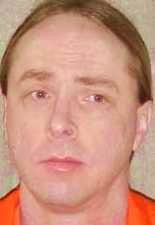
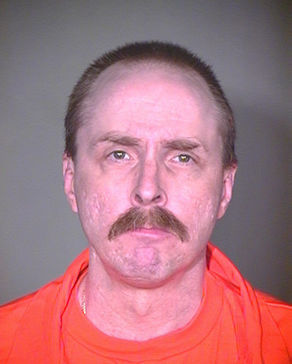
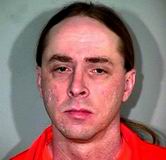
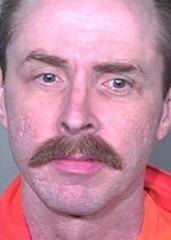
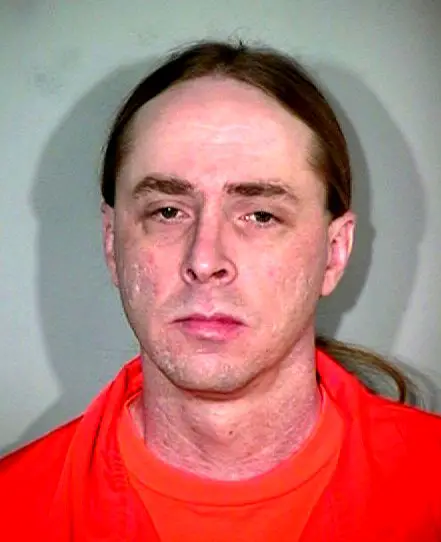
| Legal Identity | Jeffrey Timothy Landrigan |
| Confirmed Victims | 2 |
| Attributed / Indicted Victims | 2 |
| Active Timeline | 1982-1989 |
| Jurisdiction / Area of Operations | Oklahoma, Arizona |
| Criminological Classification | Predatory murderer / Violent recidivist |
| Forensic Modus Operandi | Ligature strangulation, stabbing, and robbery |
| Weapon / Mechanism of Death | Electrical cord, knife |
| Motive / Behavioral Dynamics | Pecuniary gain, antisocial personality disorder |
| Judicial Outcome | Executed by lethal injection (2010) |
1. Background and Psychopathy
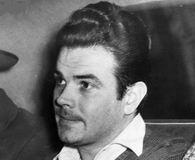
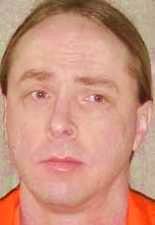
Jeffrey Timothy Landrigan (born March 14, 1960) had a deeply troubled upbringing. His biological father died on death row, and his grandfather was killed by police. Landrigan exhibited early signs of antisocial behavior, substance abuse, and extreme violence, which escalated throughout his youth.
2. Crime Spree
In 1982, Landrigan stabbed his friend Greg Brown to death in Oklahoma. After a conviction was overturned on appeal, he pleaded guilty to second-degree murder. In 1989, he escaped from a minimum-security work crew and fled to Arizona, where he murdered Chester Dean Dyer in Phoenix, using an electrical cord to strangle him and a knife to stab him, while ransacking the apartment for money.
3. Investigation and Arrest
Forensic evidence was crucial in the Dyer case. Investigators matched Landrigan's fingerprints to the scene, identified a sneaker print in spilled sugar that matched his shoes, and found him wearing the victim's shirt upon arrest.
4. Legal Proceedings and Outcome
Landrigan was convicted of first-degree murder, burglary, and theft. His trial was characterized by his own belligerent behavior and refusal to allow his counsel to present mitigating evidence. He was sentenced to death.
5. Forensic Psychiatric Evaluation and Execution
Landrigan spent two decades on death row. His case reached the U.S. Supreme Court (Schriro v. Landrigan), focusing on ineffective assistance of counsel regarding mitigating evidence. The Supreme Court ultimately ruled against him. He was executed on October 26, 2010, at the Arizona State Prison Complex in Florence.