



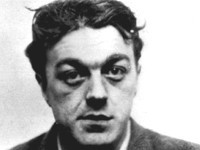
Forensic & Criminological Matrix
| Parameter | Forensic Detail |
|---|---|
| Forensic Heading / Aliases | The Kray Twins, The Krays |
| Legal Identity | Ronald Kray and Reginald Kray (sons of Charles David Kray Sr. and Violet Lee) |
| Confirmed Victims | 2 direct convictions for murder (George Cornell and Jack "The Hat" McVitie) |
| Attributed / Indicted Victims | 3+ (Frank Mitchell, underworld disappearances, and attempted car bombings) |
| Active Timeline | 1950 – May 9, 1968 |
| Jurisdiction / Area of Operations | London (East End and West End), United Kingdom |
| Criminological Classification | Organized crime syndicate leaders / Serial-gangland murderers |
| Forensic Modus Operandi | Commercial protection rackets, violent assault, intimidation of witnesses, close-range firearm executions, and visceral sharp-force homicides |
| Weapon / Mechanism of Death | 9mm Luger handgun, large carving knife, multiple firearms, physical beatings |
| Motive / Behavioral Dynamics | Underworld power consolidation, commercial extortion, paranoid retaliation, and antisocial psychopathy |
| Judicial Outcome | Sentenced at the Old Bailey in March 1969 to life imprisonment with a non-parole recommendation of 30 years |
1. Background and Psychopathy
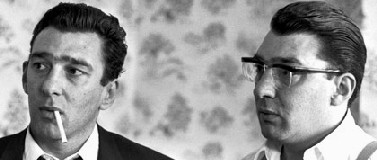
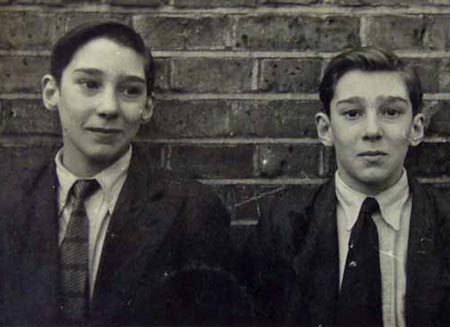
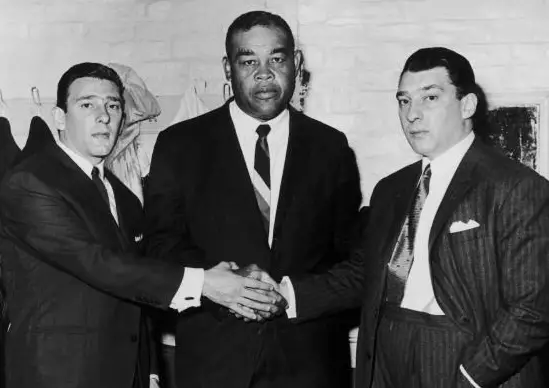
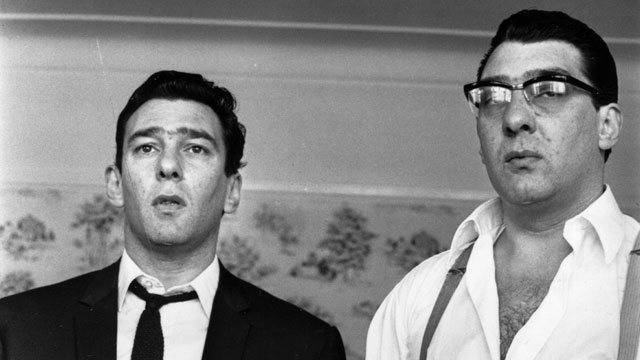
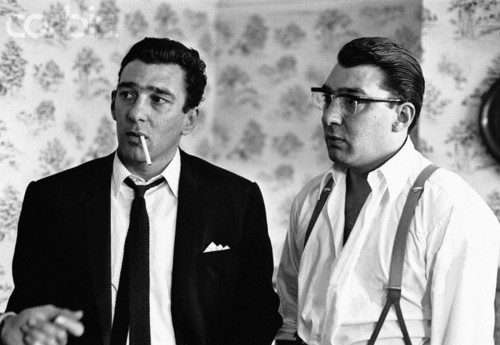
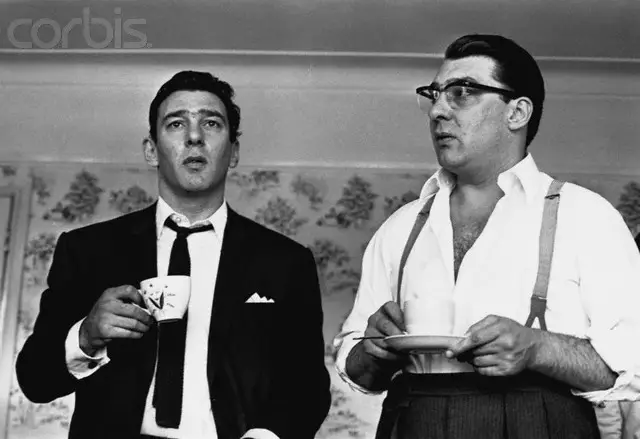
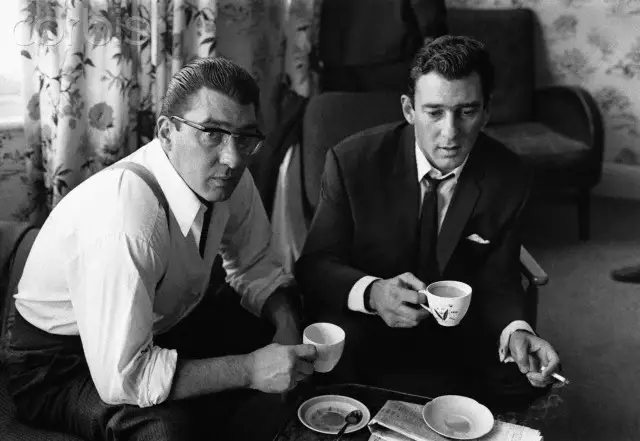
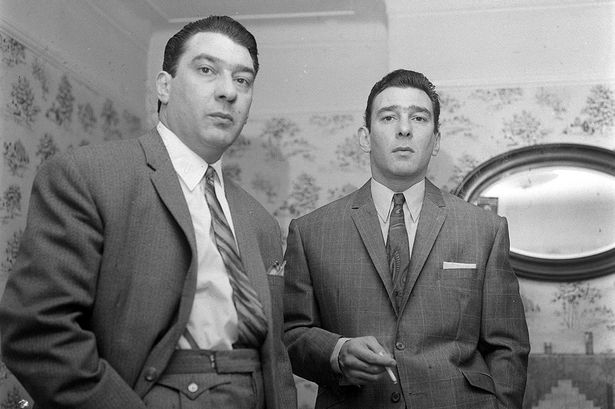
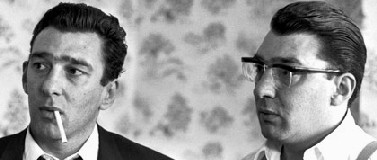
Ronald "Ronnie" and Reginald "Reggie" Kray were born identical twins on 24 October 1933 in Hoxton, East London, to Charles David Kray Sr. (1907–1983), a scrap metal and gold dealer, and Violet Lee (1909–1982). Reggie was delivered approximately ten minutes prior to Ronnie. Their family, which also included older brother Charles Jr. (born 1926) and a sister who died in infancy, relocated in 1938 to 178 Vallance Road in Bethnal Green, an address that would later serve as the operational citadel of their criminal enterprise. Both contracted diphtheria at the age of three, and Ronnie survived a near-fatal head injury in 1942 following a violent fistfight with his twin brother.
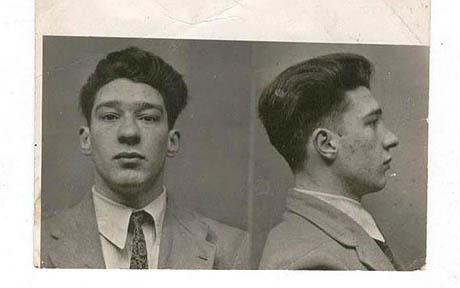
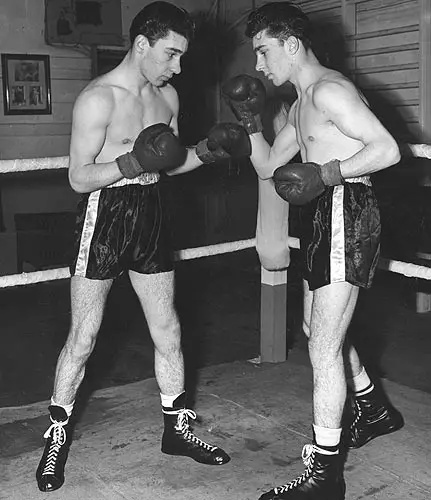
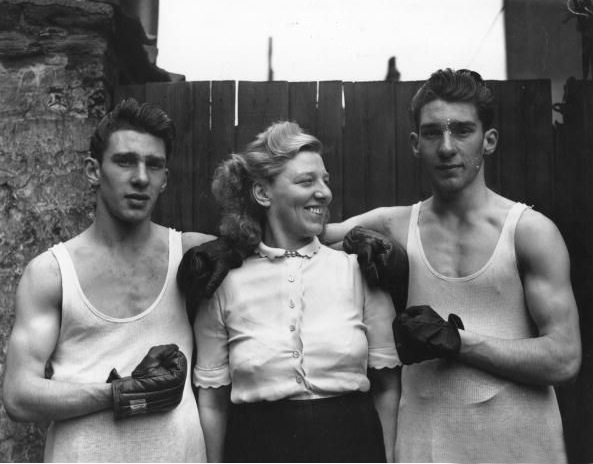
Influenced by their maternal grandfather, Jimmy "Cannonball" Lee, a well-known local prizefighter, the twins took up amateur boxing. Renowned for their vicious punching power and relentless aggression, they remained undefeated before turning professional at age nineteen. Their athletic career ended abruptly in 1952 when both were conscripted into national service with the Royal Fusiliers. Refusing military authority, they deserted repeatedly, assaulted an arresting police constable, and were detained at the Tower of London—standing among the last civilian prisoners ever confined there. While awaiting court-martial at Shepton Mallet military prison and the Home Counties Brigade Depot jail in Canterbury, their conduct escalated into riots: they poured boiling tea and excrement onto guards, handcuffed wardens to bars, and set fire to their bedding. Both were given dishonourable discharges after being subdued through emergency clinical sedation.
2. Crime Spree and Modus Operandi
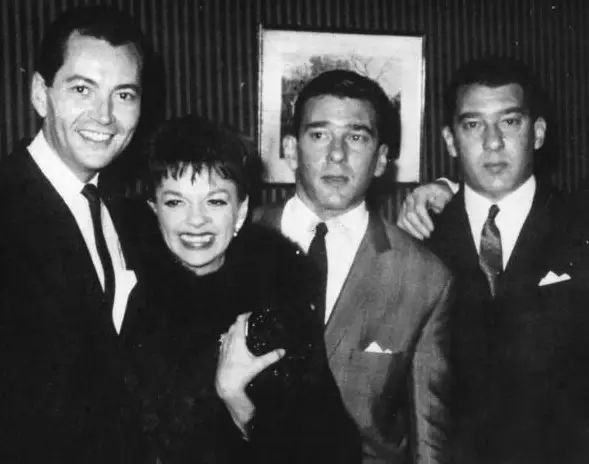
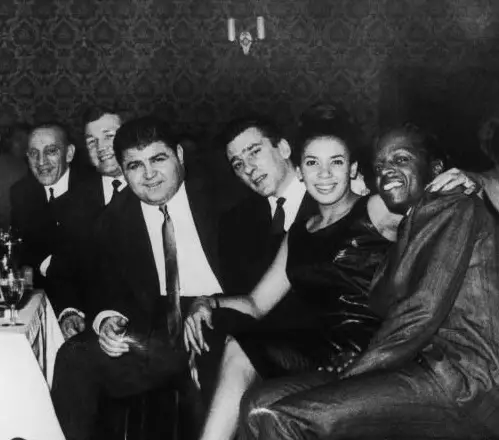
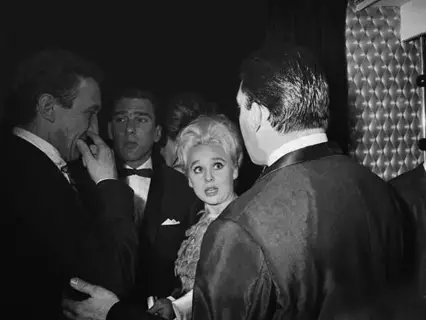
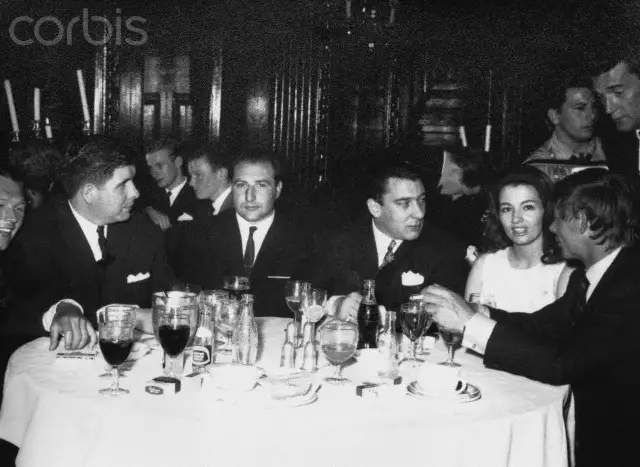
Barred from sanctioned boxing due to criminal records and military dishonour, the twins turned entirely to racketeering. They acquired a dilapidated snooker club in Bethnal Green, establishing ruthless protection rings across the East End. By the late 1950s, their syndicate—collectively known as "The Firm"—expanded into hijackings, armed robbery, and arson. A strategic windfall occurred when notorious slum landlord Peter Rachman surrendered ownership of Esmeralda's Barn, a premier West End nightclub in Knightsbridge, to Reggie. This acquisition propelled the brothers into the center of the "Swinging London" celebrity circuit, where they maintained high-profile associations with Frank Sinatra, Judy Garland, Diana Dors, and actor George Raft, using this glamorous veneer to conceal widespread extortion, loan-sharking, and gang violence.
Ronnie Kray, afflicted with escalating psychiatric instability, emerged as the violent, paranoid anchor of the operation. In 1966, territorial hostilities with South London's rival Richardson gang culminated in the murder of Kray associate Richard Hart at Mr. Smith's club in Catford on 8 March. The following night, 9 March 1966, Ronnie learned that Richardson enforcer George Cornell was at The Blind Beggar pub in Whitechapel. Ronnie entered the premises accompanied by driver John Dickson and gunman Ian Barrie. When Cornell remarked, «Well, look who's here», Ronnie calmly drew a 9mm Luger and executed him with a single gunshot directly to the forehead before walking out undisturbed.
In December 1966, the Krays orchestrated the prison escape of Frank Mitchell, known as "The Mad Axeman", from HM Prison Dartmoor. Housing him in a hideout on Barking Road, East Ham, Mitchell's massive physique and acute mental disturbances proved impossible to control. Mitchell vanished shortly thereafter, his body never recovered; evidence and subsequent testimonies indicated he was shot and dumped at sea to eliminate an operational liability.
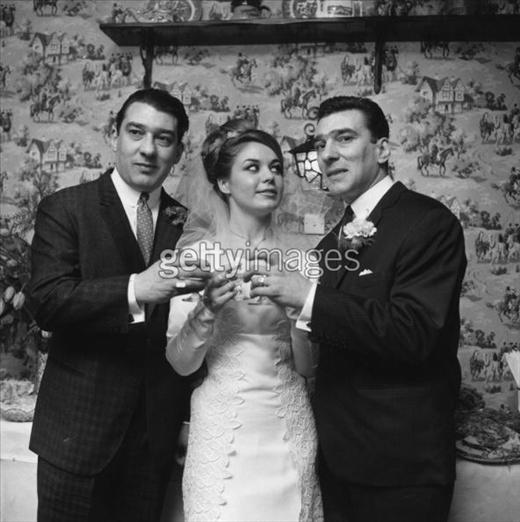
In October 1967, four months after the alleged suicide of Reggie's young wife Frances Shea, the Krays targeted Jack "The Hat" McVitie, an erratic associate who had accepted a £1,500 contract from the twins to kill Leslie Payne but failed to execute it. Lured to a basement flat on Evering Road, Stoke Newington, Reggie attempted to shoot McVitie, but his handgun jammed twice. Ronnie then seized McVitie in a bearhug while Reggie, armed with a heavy carving knife, repeatedly stabbed him through the face, chest, and neck, pinning him to the floorboards. McVitie's body was covertly disposed of and has never been located.
3. Police Investigation and The Hunt
The Krays' criminal hegemony was protected for years by the East End "wall of silence" and profound political compromises. When the Sunday Mirror published an exposé in 1964 hinting at a homosexual relationship between Ronnie and Conservative peer Lord Bob Boothby, the twins threatened the press. Fearful of scandal, the newspaper apologized, fired its editor, and paid Boothby a substantial financial settlement. Concurrently, Ronnie's associations with Labour MP Tom Driberg deterred political scrutiny from both parties.
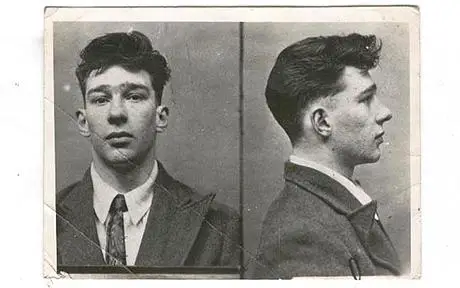
The breakthrough came when Scotland Yard assigned Detective Superintendent Leonard "Nipper" Read of the Murder Squad to dismantle The Firm. Recognizing that standard investigative tactics were hindered by witness terror and departmental corruption, Read formed a clandestine strike team. Working through 1967 and early 1968, Read gathered financial intelligence and statements regarding an abortive car-bombing campaign orchestrated by associates Alan Cooper and Paul Elvey.
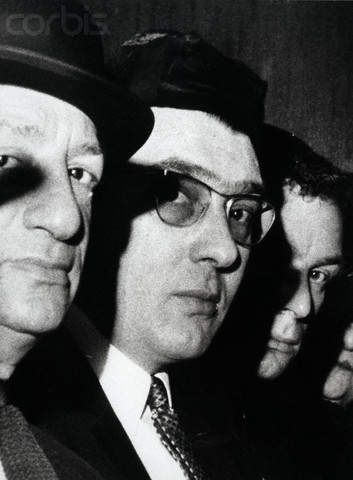
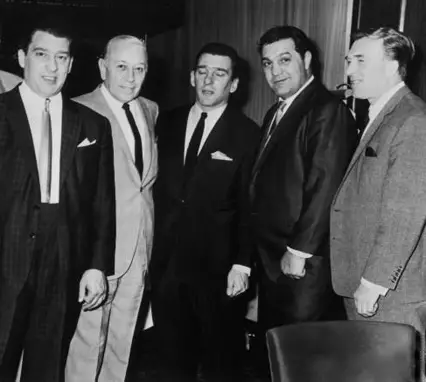
Understanding that victims and witnesses would never testify as long as the brothers walked the streets, Read coordinated an extensive preemptive sweep. In the early morning hours of 8 May 1968, police raided addresses across London, apprehending Ronald, Reginald, their brother Charlie, and fifteen core members of The Firm. With the cartel's enforcement apparatus neutralized in custody, key eyewitnesses finally came forward to provide sworn depositions.
4. Judicial Trial and Sentencing
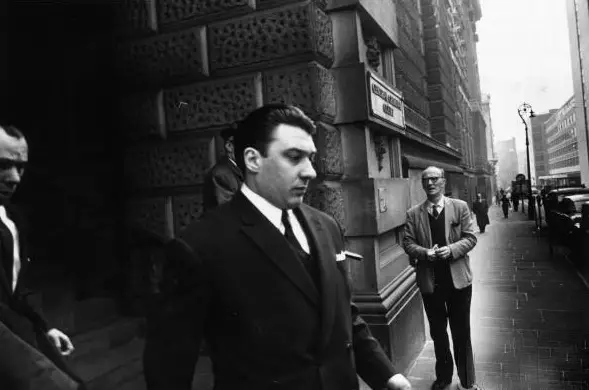
The Old Bailey trial commenced in January 1969 under Mr. Justice Melford Stevenson. The defense team, led by John Platts-Mills QC, issued sweeping denials and attempted to undermine the prosecution's witnesses by highlighting their extensive criminal histories and the absence of physical remains in both the McVitie and Mitchell cases.
The prosecution systematically dismantled the defense, presenting overwhelming corroborating evidence from pub patrons, forensic specialists who inspected the Evering Road premises, and inside testimony from gang members such as the Lambrianou brothers. The jury found Ronald Kray guilty of the murder of George Cornell and Reginald Kray guilty of the premeditated murder of Jack McVitie. Both were convicted of conspiracy to murder.
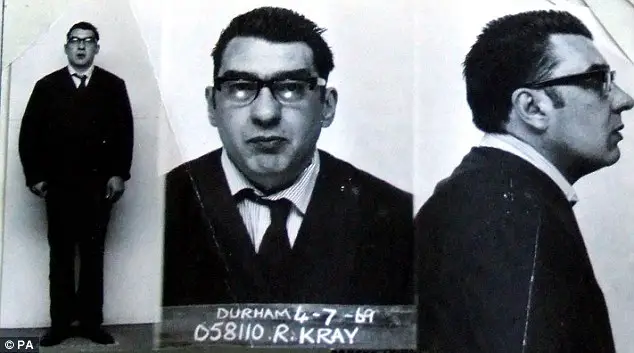
In March 1969, Mr. Justice Stevenson delivered his sentence, declaring: «In my view, society has earned a rest from your activities». He sentenced Ronald and Reginald Kray to life imprisonment with a formal recommendation that neither serve less than 30 years before being considered for parole—the harshest penalties handed down by the Old Bailey for murder up to that era. Charlie Kray was sentenced to ten years for his role as an accessory.
5. Psychiatric Assessment and Deaths
Forensic evaluations confirmed Ronald Kray as an unmedicated paranoid schizophrenic with prominent antisocial and sadistic features. After years of volatile behavior in maximum-security prisons, Ronnie was officially certified insane in 1979 and transferred to Broadmoor Special Hospital in Crowthorne, Berkshire. He lived the remainder of his days in Broadmoor, openly acknowledging his bisexuality. Remarkably, in 1985, authorities discovered that Ronnie, Reggie, and Charlie were operating a lucrative private security agency from inside prison, Krayleigh Enterprises, which supplied bodyguards to visiting celebrities, including Frank Sinatra. On 17 March 1995, Ronnie suffered a massive heart attack at Broadmoor and died shortly thereafter at Wexham Park Hospital in Slough, aged 61.
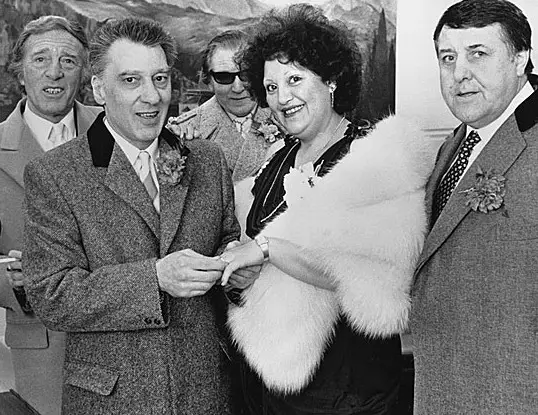
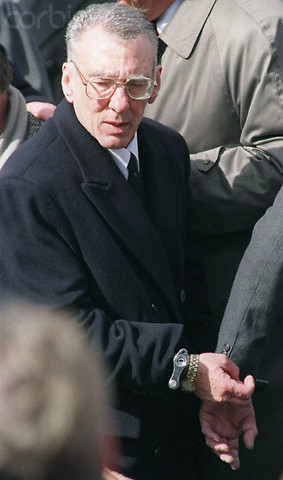
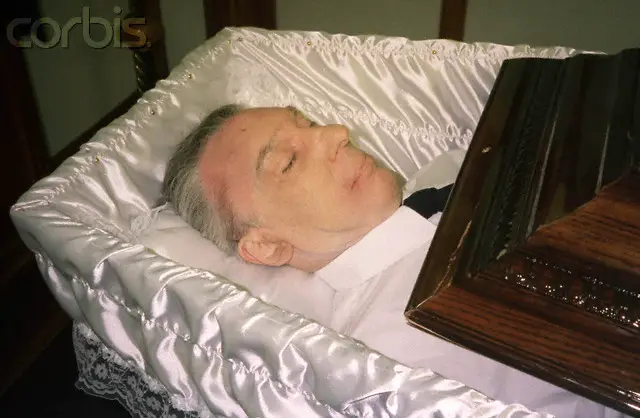
Reginald Kray served the majority of his sentence as a Category A high-security inmate, repeatedly denied parole due to violent custodial infractions. In Maidstone Prison, Reggie professed born-again Christianity and married Roberta Jones in July 1997. Eventually downgraded to Category C, he was transferred to HM Prison Wayland in Norfolk. Diagnosed with terminal inoperable bladder cancer, Home Secretary Jack Straw authorized his compassionate release on 26 August 2000, after Reggie had completed more than 31 years of continuous confinement. Spending his final weeks at the Townhouse Hotel in Norwich with his wife, Reggie died peacefully in his sleep on 1 October 2000, aged 66. Both brothers were laid to rest side by side in the family plot at Chingford Mount Cemetery, East London.