Forensic & Criminological Matrix
| Parameter | Forensic Detail |
|---|---|
| Forensic Heading / Aliases | None recorded |
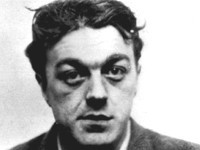
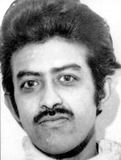
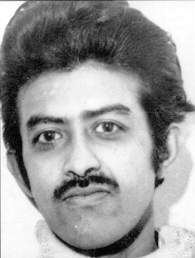
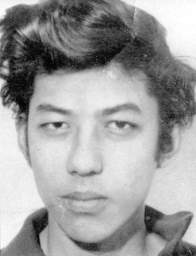
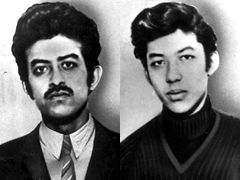
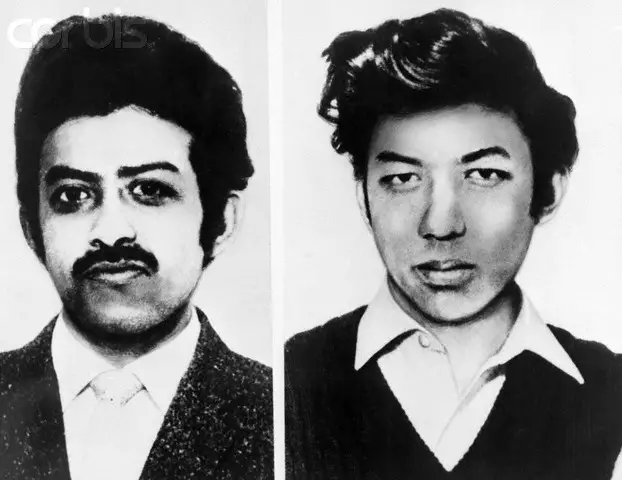
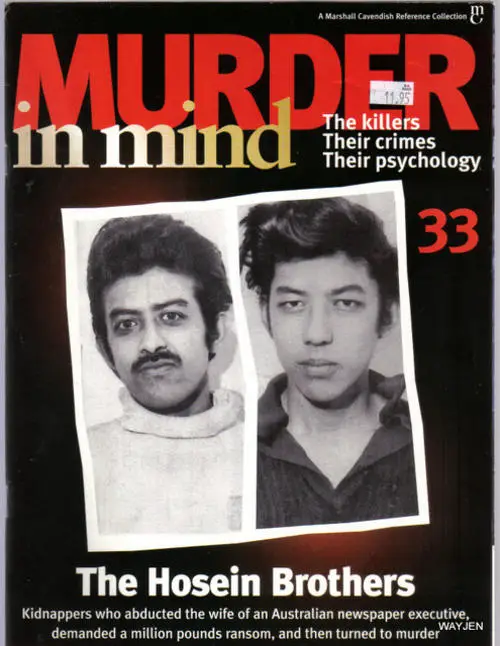
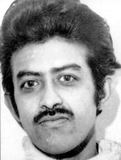
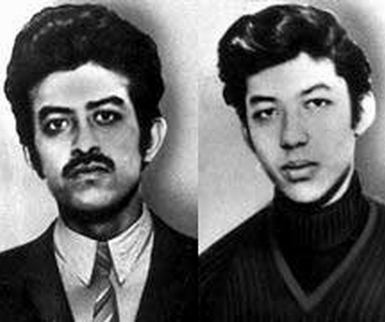
| Legal Identity | Arthur Hosein and Nizamodeen Hosein |
| Confirmed Victims | 1 |
| Attributed / Indicted Victims | 1 |
| Active Timeline | 1969 |
| Jurisdiction / Area of Operations | Wimbledon, London and Hertfordshire, UK |
| Criminological Classification | Extortionist kidnappers |
| Forensic Modus Operandi | Target surveillance, home invasion, and telephone extortion |
| Weapon / Mechanism of Death | Kidnapping and homicide (body never recovered) |
| Motive / Behavioral Dynamics | Financial gain / Organized crime |
| Judicial Outcome | Life imprisonment (1970) |
1. Background and Profile
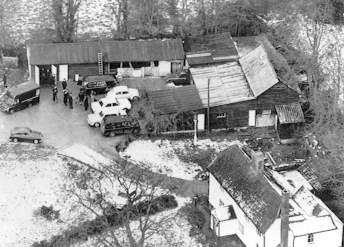
Arthur and Nizamodeen Hosein, originally from Dow Village, Trinidad, moved to the UK with grand ambitions. Arthur, a former soldier discharged in 1960, styled himself 'King Hosein'. In 1967, they purchased the dilapidated Rooks Farm in Hertfordshire. Their failure to achieve financial success through farming led them to target the wealthy for ransom.
2. Criminal Career and Modus Operandi
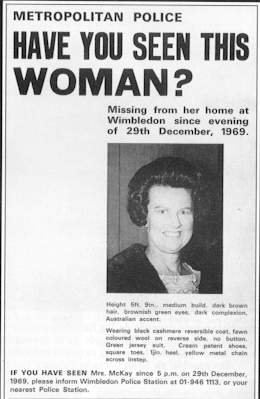
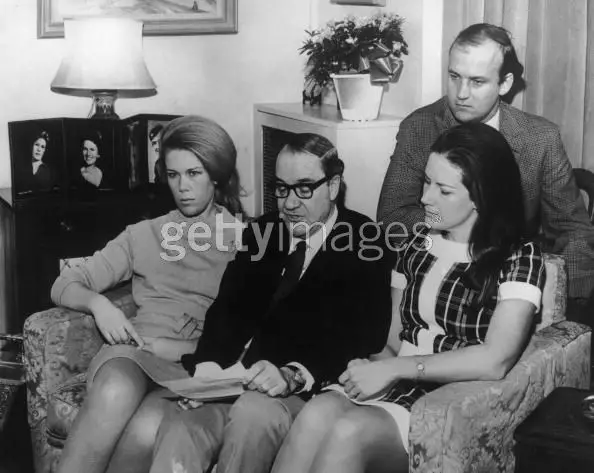
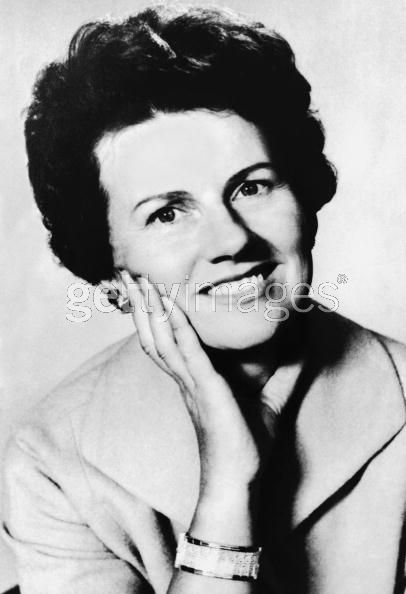
Inspired by a television interview with Rupert Murdoch, the brothers planned to kidnap his wife for a £1 million ransom. On December 29, 1969, they broke into the Murdoch residence in Wimbledon. Finding Murdoch absent, they abducted Muriel Freda McKay, the wife of the deputy chairman, who was using the company car. She was held captive at Rooks Farm.
3. Investigation and Arrest
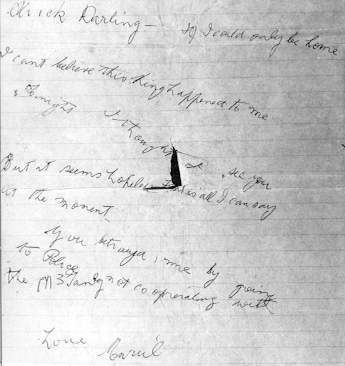
Police tracked eighteen ransom calls from 'M3'. A breakthrough occurred when a blue Volvo (XGO 994G) was linked to ransom drop-off sites. On February 7, 1970, police raided Rooks Farm, discovering evidence linking Arthur to the ransom notes. Despite an exhaustive search, Muriel McKay's body was never found.
4. Legal Proceedings and Outcome
The trial at the Old Bailey concluded on October 6, 1970. Both brothers were found guilty of kidnapping, murder, and blackmail. They were sentenced to life imprisonment, a verdict that set a precedent for murder convictions in the absence of a corpse.