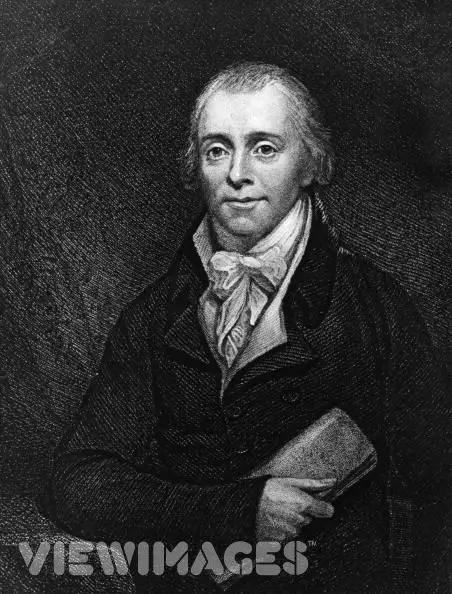




Forensic & Criminological Matrix
| Parameter | Forensic Detail |
|---|---|
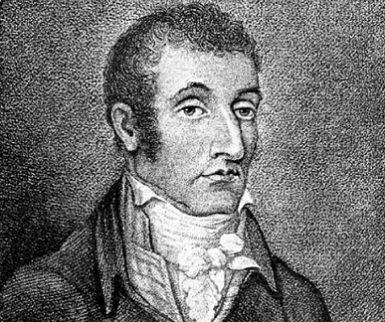
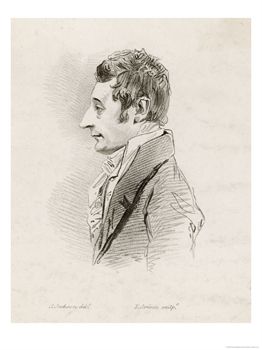
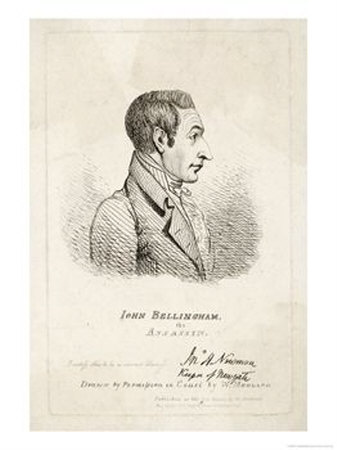
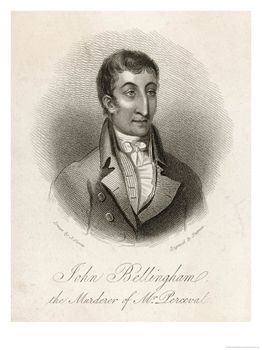
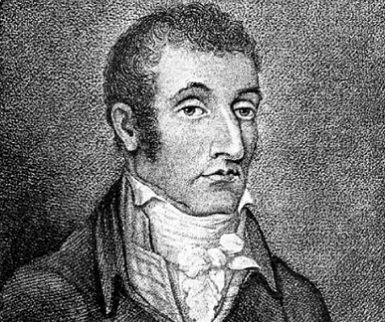
| Identity | John Bellingham |
| Known Aliases | "The Assassin of Spencer Perceval" |
| Criminal Classification | Political assassin, grievance-driven targeted killer, and ideological avenger |
| Date of Birth | c. 1769 (St Neots, Huntingdonshire, England) |
| Date of Death | May 18, 1812 (Aged approx. 43, Newgate Prison, London; executed by public hanging) |
| Criminal Indictment | High treason and premeditated willful murder of the Prime Minister of the United Kingdom, Spencer Perceval |
| Fatalities | 1 (Spencer Perceval, British Prime Minister and Chancellor of the Exchequer) |
| Crime Scene | Lobby of the House of Commons, Palace of Westminster, London, England |
| Date of Assassination | May 11, 1812 |
| Weapon Used | Single-shot .50 caliber flintlock pocket pistol manufactured by gunsmith William Beckwith; custom-tailored hidden coat pocket for rapid draw. |
| Motive | Grievance-fueled retaliation against the British Crown and Parliament for refusing financial restitution following five years of wrongful commercial imprisonment in the Russian Empire. |
| Legal Status | Sentenced to capital punishment on May 15, 1812. Hanged publicly at Newgate Prison on May 18, 1812, exactly seven days after the crime. |
Forensic Synopsis and Historical Significance
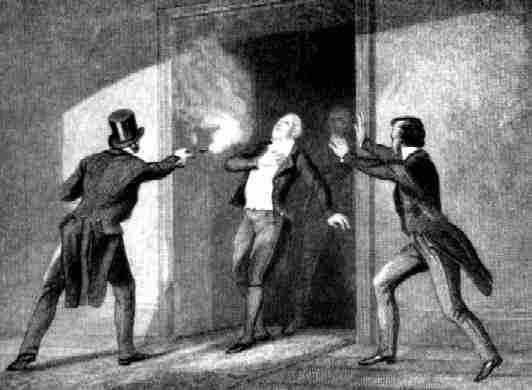
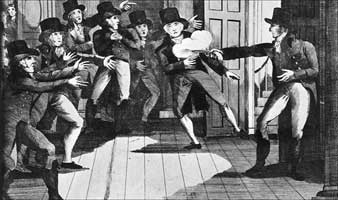
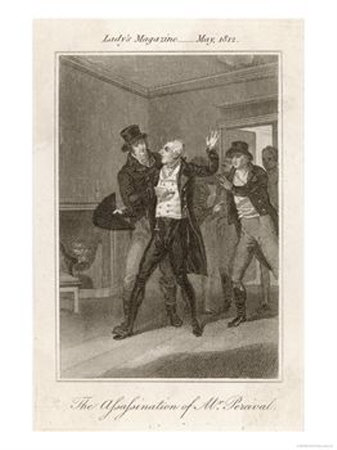
The case of John Bellingham represents a unique milestone in constitutional and criminal history: he is the only individual ever to successfully assassinate a British Prime Minister. On the afternoon of May 11, 1812, in the crowded lobby of the House of Commons at Westminster, Bellingham stepped forward and fired a point-blank round into the heart of Prime Minister Spencer Perceval.
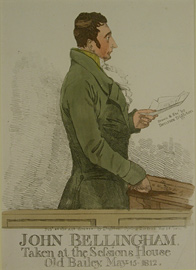
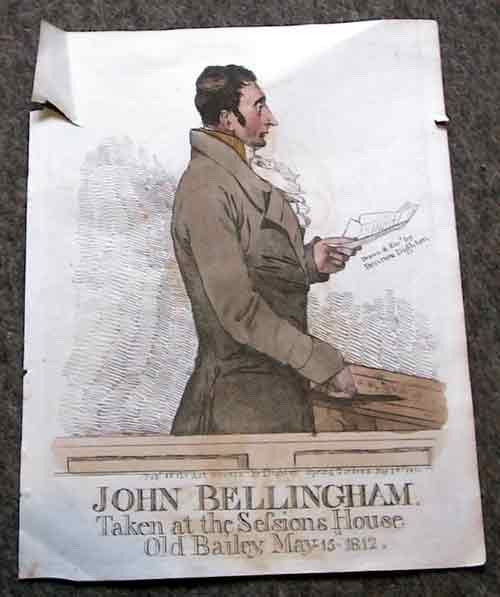
The case remains a classic benchmark in Regency-era criminal jurisprudence due to the extraordinary speed of the judicial process: Bellingham assassinated the Prime Minister on Monday, stood trial at the Old Bailey on Friday, and was publicly hanged outside Newgate Prison on the following Monday morning—a mere seven days between the homicidal act and execution, followed by public anatomical dissection under the Murder Act 1751.
Commercial Grievance in Tsarist Russia: 1804–1809
A merchant operating out of Liverpool, Bellingham traveled to Arkhangelsk in the Russian Empire in 1804 to oversee timber export shipments:
- The Debt Dispute: When an insured Russian vessel foundered, local authorities wrongfully blamed Bellingham for an alleged debt of 4,800 rubles contracted by an unrelated trading syndicate.
- Five Years of Incarceration: Bellingham was detained in Russian dungeons for five continuous years. Despite repeated appeals to British Ambassador Lord Granville Leveson-Gower, British diplomatic staff refused to intervene, dismissing the matter as a foreign commercial dispute.
- Ruin and Return: Released in 1809 under an imperial amnesty, Bellingham returned to London destitute, his business destroyed and his family impoverished. He embarked on an obsessive mission to obtain official parliamentary redress and financial compensation of £100,000 from the British Crown.
The Petitions and Tactical Preparations
For nearly three years, Bellingham bombarded the Prime Minister, the Treasury, the Privy Council, and Parliament with formal compensation memorials:
- The Refusal: His petitions were summarily rejected by Prime Minister Spencer Perceval’s administration. On March 23, 1812, Bellingham sent a written ultimatum to Bow Street magistrates warning that if the Crown refused justice, he would take the law into his own hands.
- Arming: In April 1812, he purchased a pair of .50 caliber flintlock pistols from gunsmith William Beckwith in London. He brought his greatcoat to a tailor, requesting an oversized interior pocket on the left breast designed specifically to conceal and rapidly deploy the firearm.
The Westminster Lobby Assassination: May 11, 1812
At approximately 5:00 PM on Monday, May 11, 1812, Bellingham positioned himself quietly on a bench inside the lobby of the House of Commons:
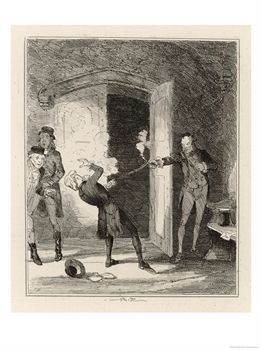
- The Fatal Shot: At 5:15 PM, Prime Minister Spencer Perceval entered the lobby. Bellingham stepped forward, produced the concealed flintlock, and discharged a single round directly into the center of Perceval's chest.
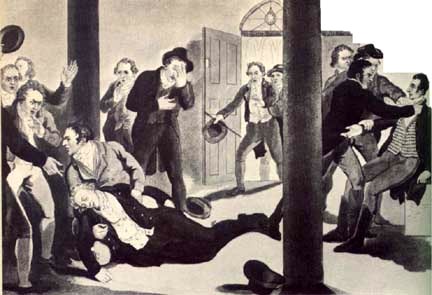
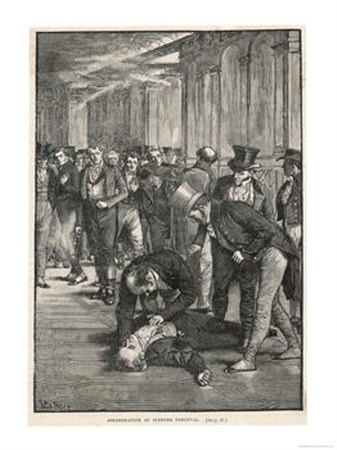
- Perceval's Demise: The lead ball severed the aorta and left cardiac ventricle. Perceval gasped: "Oh! I am murdered!", staggered forward, and collapsed lifeless onto the stone flags, expiring within minutes.
- Placid Surrender: Bellingham made no effort to escape. Returning to his bench, he surrendered the smoking pistol to ushers, stating calmly that he was avenging a grave institutional wrong inflicted by the British government.
The Old Bailey Trial and Rapid Execution
Bellingham was arraigned at the Old Bailey on Friday, May 15, 1812, before Chief Justice Sir James Mansfield:
- The Insanity Defense Denied: Defense counsel requested an adjournment to subpoena witnesses from Liverpool regarding hereditary family lunacy. Mansfield summarily rejected the motion, ruling that Bellingham displayed complete cognitive clarity and executive foresight in executing his act.
- Bellingham's Address: Addressing the courtroom, Bellingham expressed deep personal sorrow for Perceval as a family man, but insisted the homicide was justified to expose systemic governmental corruption and indifference toward innocent British subjects.
- The Execution: The jury deliberated under fifteen minutes before returning a verdict of willful murder. At 8:00 AM on May 18, 1812, before an enormous London crowd cheering sympathy due to widespread working-class hostility toward the Perceval ministry, John Bellingham was hanged at Newgate Prison. His body was delivered to St. Bartholomew's Hospital for public anatomical dissection.