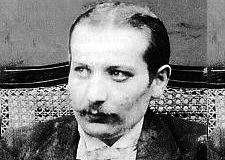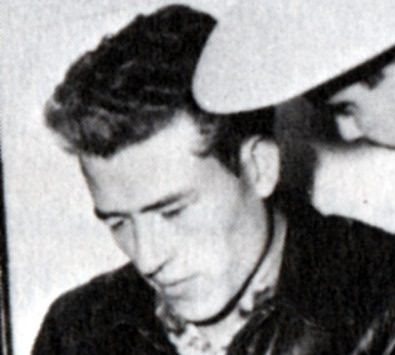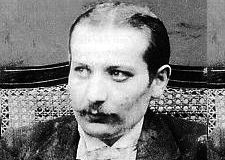
Forensic & Criminological Matrix
| Parameter | Forensic Detail |
|---|---|
| Forensic Heading / Aliases | The Kneißl Bandit, The Bavarian Robin Hood |
| Legal Identity | Mathias Kneißl |
| Confirmed Victims | 2 |
| Attributed / Indicted Victims | 2 |
| Active Timeline | 1893-1902 |
| Jurisdiction / Area of Operations | Bavaria, Germany |
| Criminological Classification | Bandit / Fugitive |
| Forensic Modus Operandi | Armed robbery and evasion of justice |
| Weapon / Mechanism of Death | Handguns |
| Motive / Behavioral Dynamics | Social resentment and survival |
| Judicial Outcome | Execution by beheading |
1. Background and Profile
Mathias Kneißl was born into a family of known criminals in Bavaria. His upbringing was heavily influenced by his family's criminal reputation, which paved his way into a life of rural banditry.
2. Crime Spree
Kneißl focused on robbing farms and isolated residences. His ability to evade capture for years turned him into a folk hero, often romanticized by the local population as a rebel against the state.
3. Investigation and Arrest
Bavarian police launched massive operations to capture him, utilizing contemporary tracking techniques. His ability to hide in forests and rely on local support networks made him difficult to apprehend for nearly a decade.
4. Legal Proceedings and Outcome
After being captured following a shootout, he underwent a high-profile trial that garnered significant media attention in Germany. He was found guilty of multiple crimes, including the murder of police officers.
5. Psychiatric Evaluation and Conclusion
Kneißl was sentenced to death. The sentence was carried out by beheading on February 21, 1902, at Stadelheim Prison in Munich.