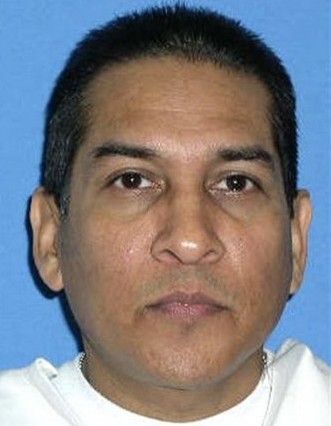
Forensic & Criminological Matrix
| Parameter | Forensic Detail |
|---|---|
| Forensic Heading / Aliases | Beaver |
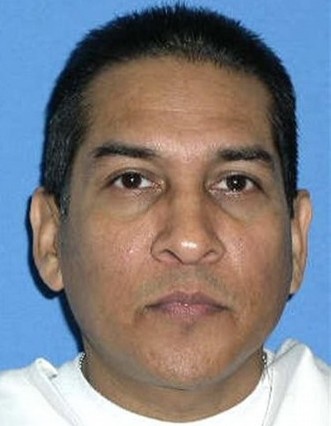
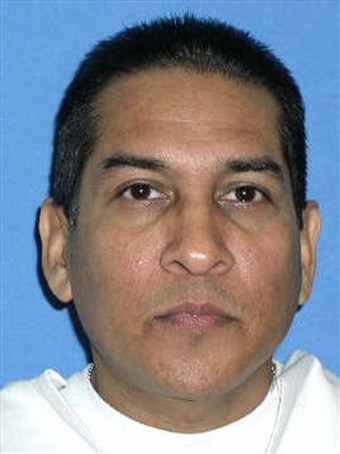
| Legal Identity | Robert Anthony Martinez Perez |
| Confirmed Victims | 2 |
| Attributed / Indicted Victims | 15 |
| Active Timeline | 1994 - 1997 |
| Jurisdiction / Area of Operations | San Antonio, Texas, USA |
| Criminological Classification | Serial Killer / Gang Leader |
| Forensic Modus Operandi | Contract killings and targeted shootings |
| Weapon / Mechanism of Death | .380 and 9mm caliber pistols |
| Motive / Behavioral Dynamics | Internal power struggle within the Mexican Mafia |
| Judicial Outcome | Executed by lethal injection |
1. Background and Psychopathy
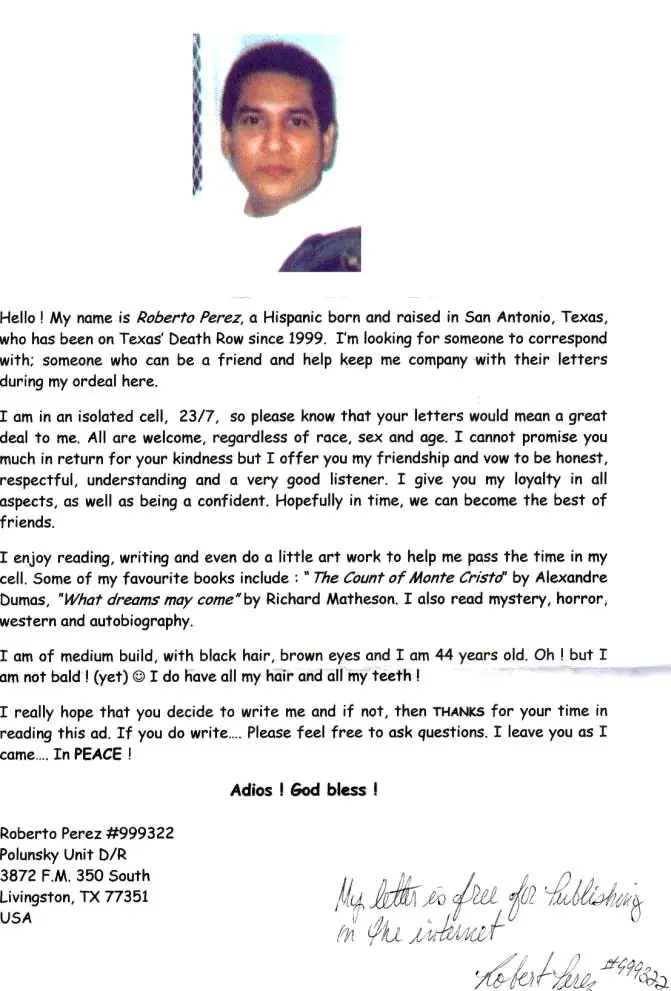
Robert Anthony Martinez Perez was a high-ranking general within the Mexican Mafia (La Eme) in San Antonio. Despite a modest background as a laborer, he exerted significant influence through charisma and ruthless enforcement of gang rules. His criminal history began well before the 1994 murders, with a 1990 conviction for voluntary manslaughter.
2. Crime Spree
Following the imprisonment of Heriberto Huerta, Perez led a faction of the Mexican Mafia. His involvement in the April 1994 murders of Robert Rivas and Jose Travieso was the primary catalyst for his death sentence. Prosecutors later linked him to a series of gang-related executions, including the 1997 West French Place massacre, where five individuals were bound and executed.
3. Investigation and Arrest
Law enforcement utilized extensive intelligence from gang informants to link Perez to the violence. The investigation revealed a pattern of ordering hits on members who disobeyed orders or discussed gang activities. His arrest in November 1994 yielded significant evidence, including cash and ammunition, which corroborated his leadership role.
4. Legal Proceedings and Outcome
During his 1999 capital murder trial, the prosecution presented evidence of 15 gang-related homicides. Perez's defense attempted to argue self-defense, but the jury found the evidence of his orchestration of the killings overwhelming. After exhausting all state and federal appeals, including challenges regarding the admissibility of gang-related evidence, he was executed on March 6, 2007.