




Forensic & Criminological Matrix
| Parameter | Forensic Detail |
|---|---|
| Forensic Heading / Aliases | Frances Kidder (Last woman publicly hanged in Britain) |
| Legal Identity | Frances Turner (daughter of John and Frances Turner) |
| Confirmed Victims | 1 (Louisa Kidder-Staples, 11-year-old stepdaughter) |
| Active Timeline | August 25, 1867 |
| Jurisdiction / Area of Operations | New Romney and Hythe, Kent, United Kingdom |
| Criminological Classification | Filicide / Intrafamilial homicide driven by domestic hostility |
| Forensic Modus Operandi | Luring the child to an isolated ditch, forced manual water submersion leading to mechanical asphyxiation, followed by clothing concealment and fabrication of an accidental fall |
| Weapon / Mechanism of Death | Manual submersion in water (mechanical asphyxia via drowning) |
| Motive / Behavioral Dynamics | Pathological jealousy, domestic frustration, and intense rejection of stepchildren |
| Judicial Outcome | Convicted of murder at Kent Assizes; publicly hanged at Maidstone Prison on April 2, 1868, by executioner William Calcraft |
1. Background and Profile
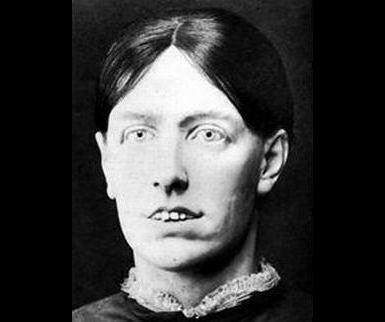
Frances Turner was born in 1843 in New Romney, Kent. In 1865, she married William Kidder, having previously given birth to their daughter, Emma. Unbeknownst to Frances prior to marriage, William brought children from a previous relationship into the household, including young Louisa. The family dynamic in Hythe rapidly deteriorated. Frances subjected Louisa to severe physical abuse, starvation, and psychological torment. Although fined for cruelty following neighbour complaints, the cycle of hostility persisted and escalated.
2. Crime Spree
On August 25, 1867, while visiting her parents in New Romney accompanied by Louisa and Emma, Frances expressed her desire to eliminate the stepdaughter. Feigning a trip to a local fair, she made the child change into older clothes and walked her towards Cobbs Bridge. There, Frances forced the girl face-down into a shallow water ditch, holding her until death by drowning occurred. She returned home, changed into dry clothes, and feigned ignorance regarding the child's location.
3. Investigation and Arrest
Noticing Louisa's absence and discovering wet, muddy garments hidden in Frances's room, her father and husband alerted the police. Constable Aspinall arrested Frances, who fabricated a story about runaway horses causing the child to fall into the ditch. Dredging the local stream quickly located Louisa's body, confirming death by drowning and triggering formal murder charges.
4. Legal Proceedings and Outcome
Kidder was remanded to Maidstone Prison for six months prior to her trial on March 12, 1868, before Mr. Justice Byles. Despite defense arguments questioning circumstantial testimonies and pointing to a prior head injury from a cart accident, the jury deliberated for a mere twelve minutes before returning a guilty verdict based on overwhelming evidence of prior abuse and explicit threats.
5. Psychiatric Assessment and Execution
While awaiting execution, Kidder was counseled by prison chaplain Reverend W. Fraser and reportedly confessed to the crime. Despite public controversy surrounding her husband's callous conduct during her imprisonment, the sentence proceeded. On April 2, 1868, before a crowd of approximately 2,000 spectators, Frances Kidder was executed by William Calcraft outside Maidstone Prison, securing her historical status as the final woman to face public capital punishment in Britain.