Forensic & Criminological Matrix
| Parameter | Forensic Detail |
|---|---|
| Forensic Heading / Aliases | The Babyface Killer |
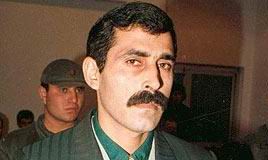
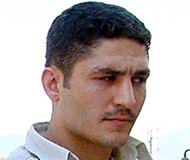
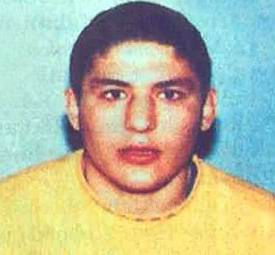
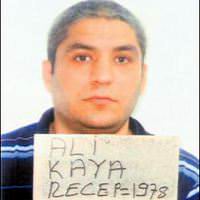
| Legal Identity | Ali Kaya |
| Confirmed Victims | 10 |
| Attributed / Indicted Victims | 10 |
| Active Timeline | 1997-2014 |
| Jurisdiction / Area of Operations | Alanya, Elazığ, Gaziantep, Turkey |
| Criminological Classification | Serial Killer |
| Forensic Modus Operandi | Stabbing attacks in urban and prison settings |
| Weapon / Mechanism of Death | Knife |
| Motive / Behavioral Dynamics | Borderline Personality Disorder / Vigilantism |
| Judicial Outcome | Life imprisonment |
1. Background and Profile
Ali Kaya, internationally recognized as "The Babyface Killer," is a Turkish serial offender whose criminal career began in his youth. With a history of theft and assault, he was first incarcerated at 17. His psychological profile, featuring a diagnosis of borderline personality disorder and claustrophobia, has been a central element in his forensic history.
2. Criminal Career and Modus Operandi
His criminal activity intensified after his 1997 release. He murdered his uncle, Celal Kaya, in Alanya. Motivated by a perceived sexual assault against his mother, he later killed Zeynel Abidin Gümüş. His modus operandi involved the use of bladed weapons to target individuals he deemed "sinners." In 2000, while incarcerated, he murdered his cellmate, the notorious child killer Ayhan Kartal, by stabbing him in the throat.
3. Investigation and Arrest
Kaya is known for multiple prison escapes, most notably in 2003 and 2014. During his 2014 escape from Gaziantep Prison, he walked out during visitation hours. Turkish security forces launched extensive manhunts, discovering "death lists" in his possession that targeted various individuals, including businessmen and childhood acquaintances.
4. Legal Proceedings and Outcome
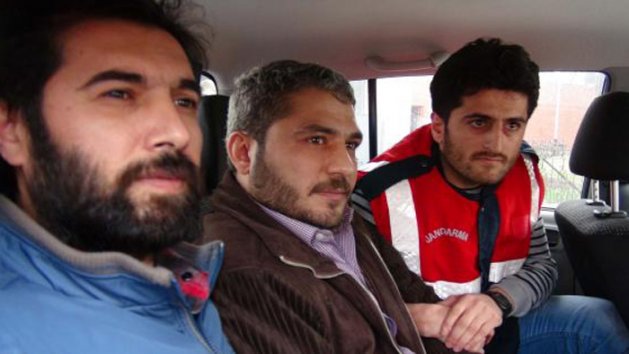
Following his final escape in 2014, he was apprehended in March of that year in Gaziantep. He was found in possession of a handgun and a list of ten potential victims. He has been repeatedly transferred between high-security prisons and psychiatric facilities to manage his volatility and mental health status.