Forensic & Criminological Matrix
| Parameter | Forensic Detail |
|---|---|
| Forensic Heading / Aliases | None recorded |
| Legal Identity | Kiyotaka Katsuta (Kiyotaka Fujiwara) |
| Confirmed Victims | 8 |
| Attributed / Indicted Victims | 22 |
| Active Timeline | 1972-1982 |
| Jurisdiction / Area of Operations | Japan |
| Criminological Classification | Serial Killer |
| Forensic Modus Operandi | Violent robbery, strangulation, and firearm usage |
| Weapon / Mechanism of Death | Strangulation, handgun |
| Motive / Behavioral Dynamics | Financial gain and sadistic violence |
| Judicial Outcome | Death penalty (executed) |
1. Background and Profile
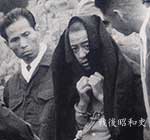
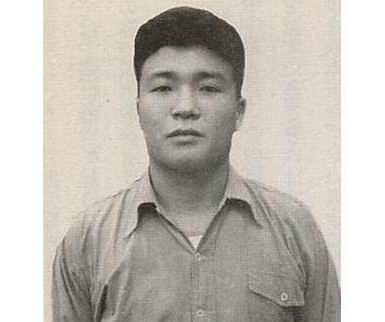
Kiyotaka Katsuta was a Japanese firefighter whose double life shocked the nation. While maintaining a respectable career, he harbored a predatory nature. Incarcerated, he remained isolated, trusting only a Christian woman known as Yūko Kurusu, who became his sister-in-law, leading him to change his name to Kiyotaka Fujiwara.
2. Criminal Career and Modus Operandi
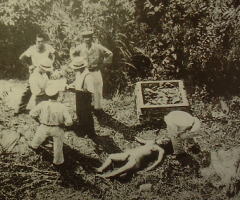
Katsuta engaged in serial robberies that escalated into homicide. While suspected of up to 22 killings, he was convicted for 8. His methods involved strangulation and, in his final spree, the use of a stolen police handgun. His 1982 crime spree included hitting a police officer with his car to steal a weapon.
3. Investigation and Arrest
Known as 'Metropolitan Designated Case 113', the investigation faced difficulties in proving suspected sexual assaults. He was finally apprehended on January 31, 1983, while threatening a man with a firearm. His confession later revealed seven additional murders.
4. Legal Proceedings and Outcome
On January 17, 1994, the Supreme Court of Japan upheld two death penalty convictions, a historic first. He was executed on November 30, 2000. His crimes were dramatized in the 1984 film 'Renzoku satsujinki: Reiketsu'.