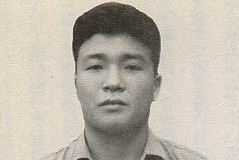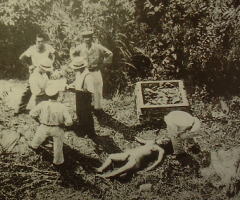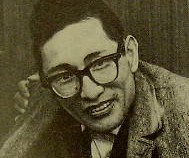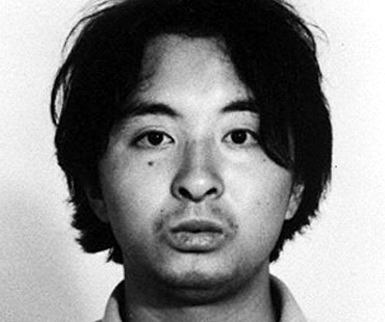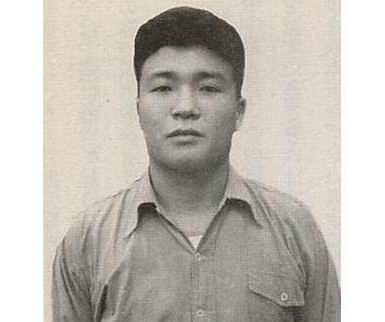


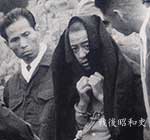
Forensic Profile Datasheet: Genzo Kurita ("The Mount Akagi Necrophile")
| Forensic Parameter | Evaluation Details |
|---|---|
| Full Legal Name | Genzo Kurita (栗田 源蔵, Kurita Genzō) |
| Public Monikers | The Mount Akagi Killer, The Postwar Necrophile Predator |
| Date & Place of Birth | November 3, 1926 — Gunma Prefecture, Empire of Japan |
| Date & Place of Execution | October 14, 1959 (aged 32) — Tokyo Detention House, Tokyo, Japan |
| Method of Execution | Judicial hanging following Supreme Court of Japan confirmation |
| Criminological Classification | Sadistic lust serial murderer / Serial necrophile / Child killer |
| Confirmed Fatalities | 8 confirmed murder victims (including children cast from cliffs) |
| Active Timeline | February 1948 – June 1952 |
| Geographic Scenes | Mountain slopes of Gunma (Mount Akagi, Chōshigataki Waterfall) and Buddhist temples in Tochigi |
| Primary Modus Operandi | Manual strangulation, blunt-force cranial beatings, and cliff defenestration |
| Documented Paraphilia | Compulsive necrophilia performed systematically on deceased victims |
| Psychiatric Determination | Severe sadomasochistic sexual psychopathy; ruled fully sane and criminally responsible |
Postwar Turmoil and Early Double Homicide (1948)
Genzo Kurita was raised in rural Gunma Prefecture during Japan's militarist era. Following the 1945 unconditional surrender and amidst the economic devastation, food rationing, and societal disruption of the Allied occupation, Kurita worked as an itinerant laborer and forestry timber carrier.
In February 1948, at age twenty-one, Kurita committed his first confirmed double murder in Gunma: following a domestic argument, he strangled his girlfriend and her mother to death inside their rural dwelling. He engaged in necrophilia with the young woman's corpse before stashing both bodies in a storage shed. Hampered by postwar administrative disorganization, local police initially failed to link him to the disappearances.
The Mount Akagi Cliff Slaughter (August 1951)
Kurita's most infamous atrocity occurred on August 8, 1951, on the mountain trails of Mount Akagi, a sacred volcano in Gunma.
Kurita ambushed a 24-year-old mother hiking along an isolated path accompanied by her three young children. Wielding a heavy wooden staff near the precipice of Chōshigataki Falls, Kurita overpowered the mother and sexually assaulted her before the terrified children.
To eliminate all eyewitnesses, Kurita lifted the three children one by one and hurled them over the edge into the rocky chasm below. He then manually strangled the mother, committed necrophilia upon her remains, and cast her body into the canyon to stage a collective accidental mountain fall.
Tochigi Murders and Capture (1952)
In May 1952, Kurita relocated to neighboring Tochigi Prefecture. Invading an isolated Buddhist sanctuary, he assaulted and asphyxiated a 63-year-old nun, engaging in necrophilia on the temple floor.
In late June 1952, Kurita struck a rural farmhouse, murdering a 24-year-old woman and her 85-year-old grandmother before violating both corpses.
Public panic engulfed rural eastern Japan. National police established coordinated road checkpoints. On July 5, 1952, patrol officers apprehended Kurita loitering suspiciously near a rail terminus, his clothing stained with dry mud and blood. During police interrogation, Kurita confessed to all eight slayings with chilling composure, directing recovery squads to the skeletal remains lying at the foot of Mount Akagi.
Judicial Proceedings and Execution
Kurita was tried before the Utsunomiya District Court. Court psychiatrists testified that while Kurita possessed an intense primary necrophilic fixation, he harbored no psychotic impairment or loss of reality testing: he appreciated the criminal nature of his deeds and derived gratification from dominating helpless victims.
Sentenced to death in December 1953, the Supreme Court of Japan rejected all subsequent appellate petitions.
On October 14, 1959, Genzo Kurita was executed by hanging at the Tokyo Detention House, remaining one of the most notorious serial necrophiles in modern Japanese criminal annals.