



Forensic & Criminological Matrix
| Parameter | Forensic Detail |
|---|---|
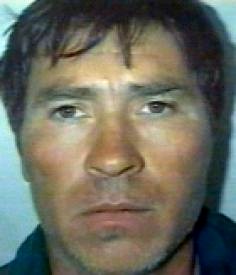
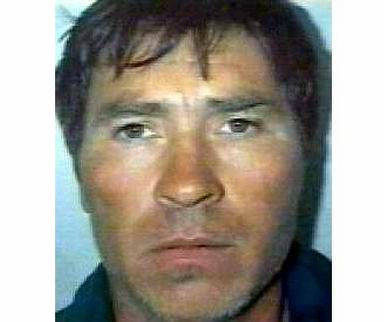
| Legal Identity | Julio Pérez Silva. |
| Criminal Moniker | The Psychopath of Alto Hospicio (El Psicópata de Alto Hospicio). |
| Classification | Predatory serial killer / Sadistic sex offender. |
| Active Period | 1998 – 2001. |
| Location | Alto Hospicio commune, Iquique, Tarapacá Region, Atacama Desert, Chile. |
| Confirmed Victims | 14 adolescent schoolgirls and young women (aged 12 to 22), plus 1 key survivor (Bárbara). |
| Modus Operandi | Luring schoolgirls into an unlicensed collective taxi, abducting them to desolate desert badlands, serial sexual assault, strangulation or blunt cranial trauma, and dumping bodies into deep, abandoned open-pit mine shafts. |
| Sentence | Aggravated life imprisonment (Presidio perpetuo calificado — minimum 40 years without parole benefits, the harshest sentence under Chilean criminal law). |
Background and Context
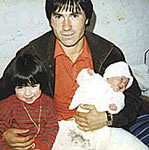
Julio Pérez Silva was born in Penco, Chile, on April 18, 1963. With a background marked by juvenile delinquency and property crimes, he moved to northern Chile during the late 1990s, settling in the impoverished desert settlement of Alto Hospicio, perched high above the coastal city of Iquique. There, he worked as an unregistered, informal taxi and minibus driver.
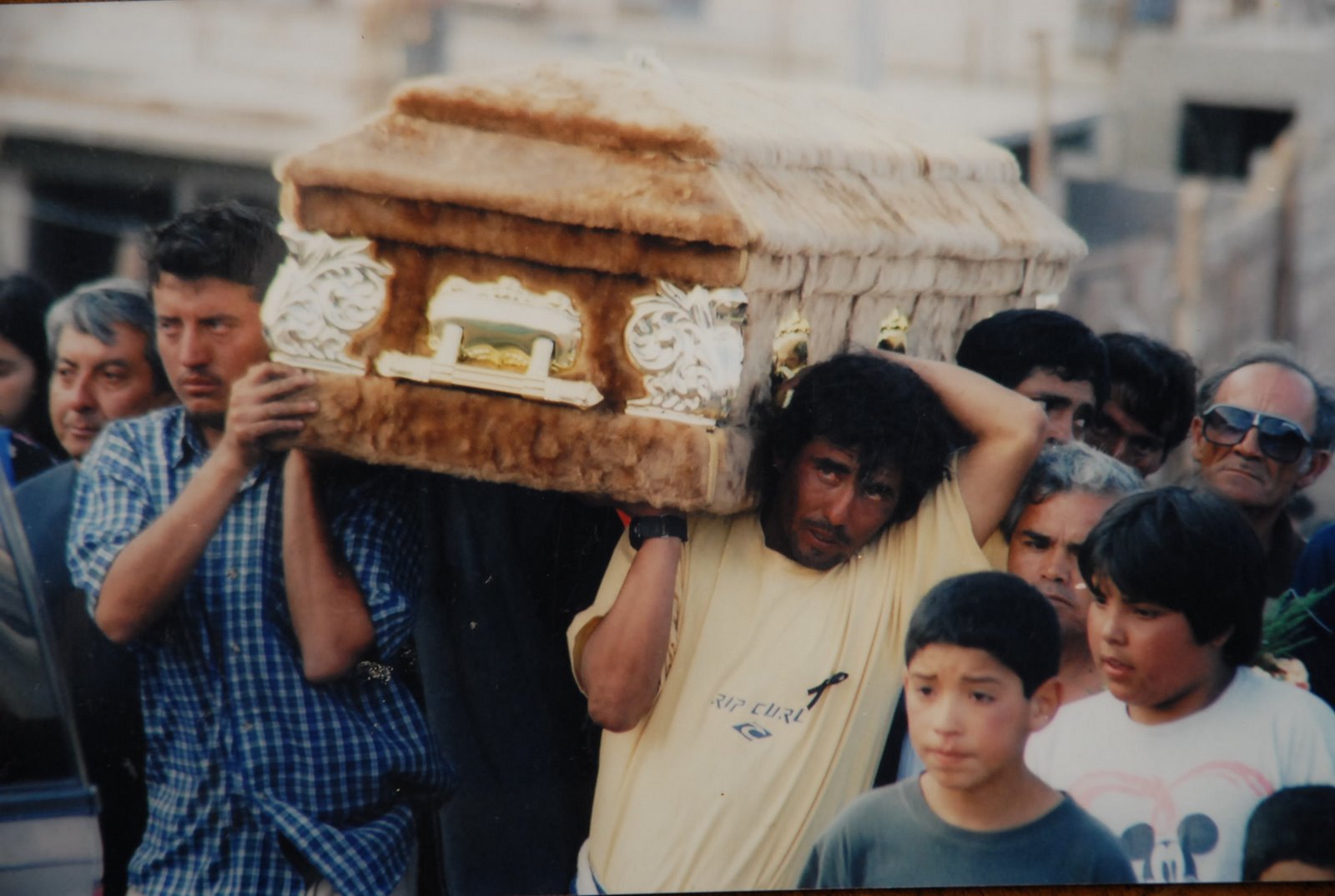
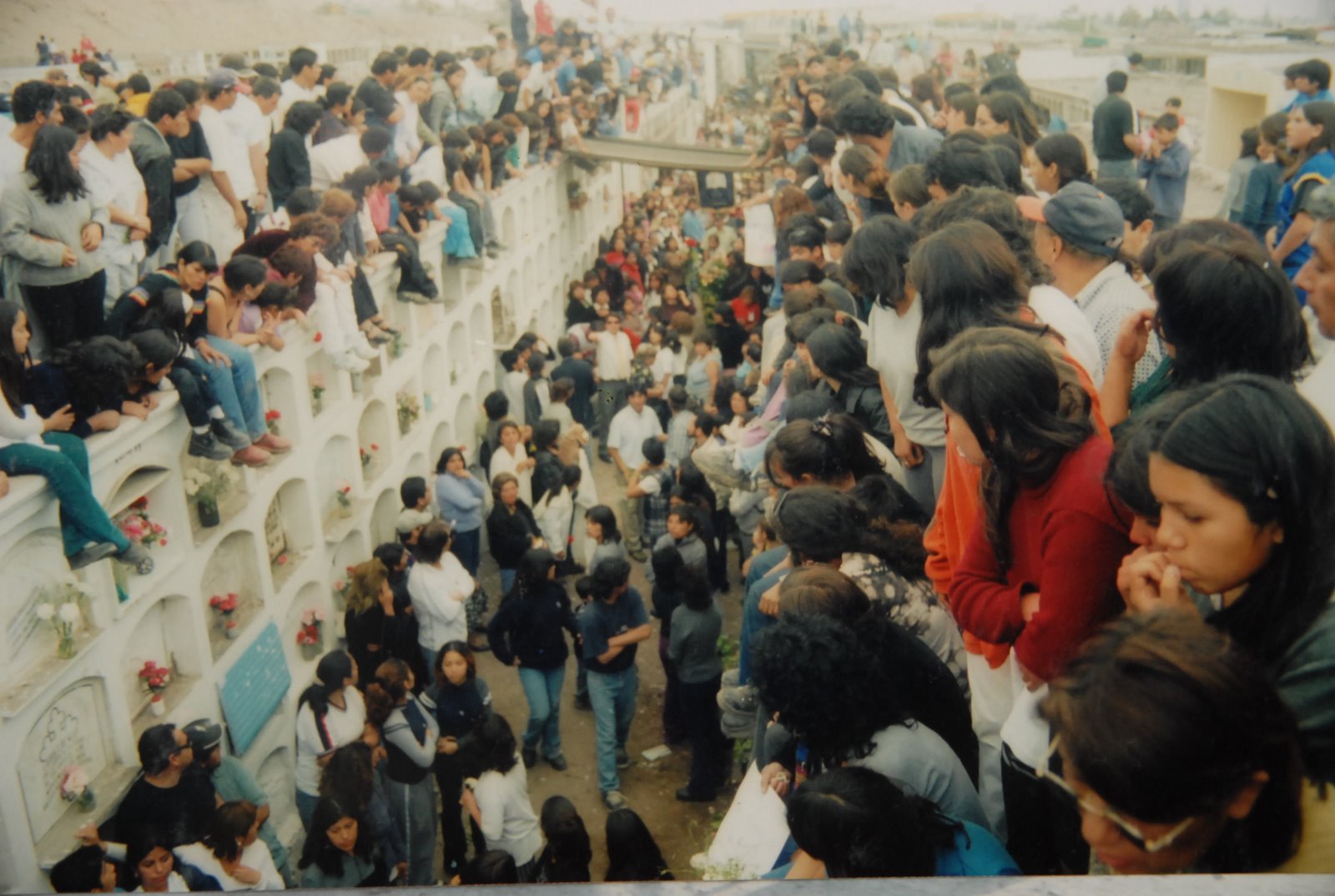
Between 1998 and 2001, a wave of unexplained disappearances gripped the area. Young schoolgirls and working-class teenage women vanished without a trace between classes or transit stops. Despite desperate demonstrations and pleas by families, authorities initially dismissed the cases as voluntary runaways engaged in juvenile prostitution across the northern borders, blindness that allowed the predator to operate undetected for over three years.
Hunting Grounds and Desert Mine Crypts
Pérez Silva exploited his vehicle as mobile hunting bait. Observing bus stops in outlying desert outskirts, he offered discounted fares to stranded young women. Once a passenger was inside, he locked the vehicle doors and accelerated deep into the desolate Atacama pampa.
There, he subjected the victims to prolonged sexual torment. To ensure absolute silence, he murdered them by manual strangulation or crushing head injuries with desert stones. He then cast their corpses into vertical, forgotten copper and nitrate mine shafts spanning 20 to 60 meters in depth, counting on the extreme desert aridity and cavernous darkness to swallow all evidence forever.
Survival, Capture, and Recoveries
The breakthrough came in October 2001 when Pérez Silva abducted a teenage girl named Bárbara. After beating, assaulting, and hurling her into a desert mine shaft, he left her for dead. In an astonishing feat of resilience, the wounded girl survived the fall, waited for daylight, scaled the shaft walls, and reached a distant highway. Her precise forensic description of the vehicle and assailant broke the case wide open.
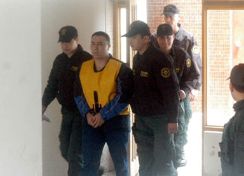
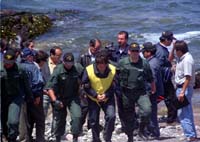
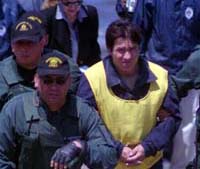
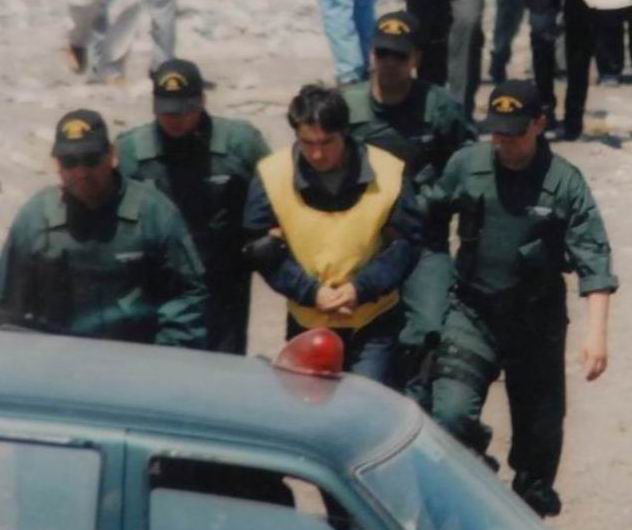
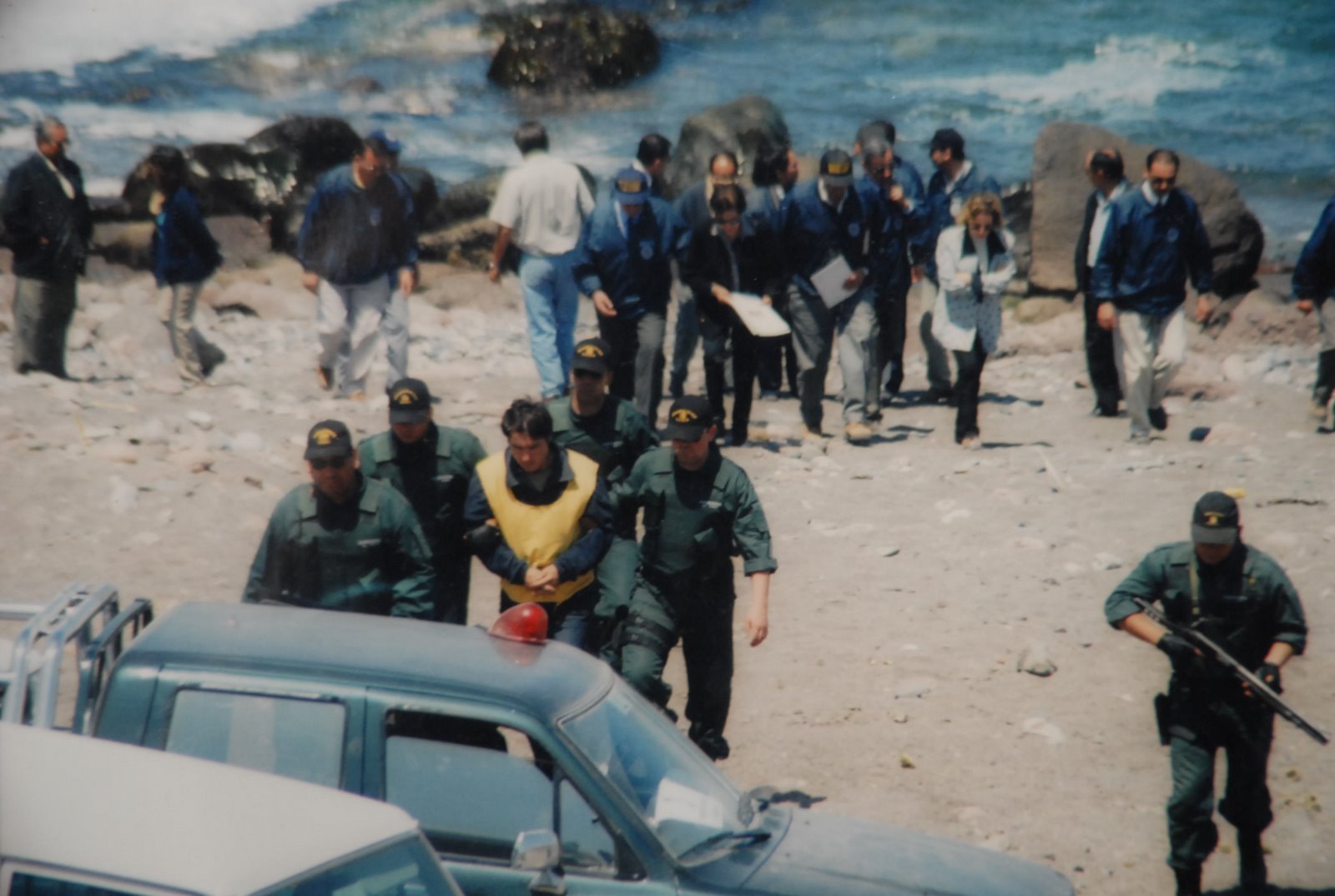
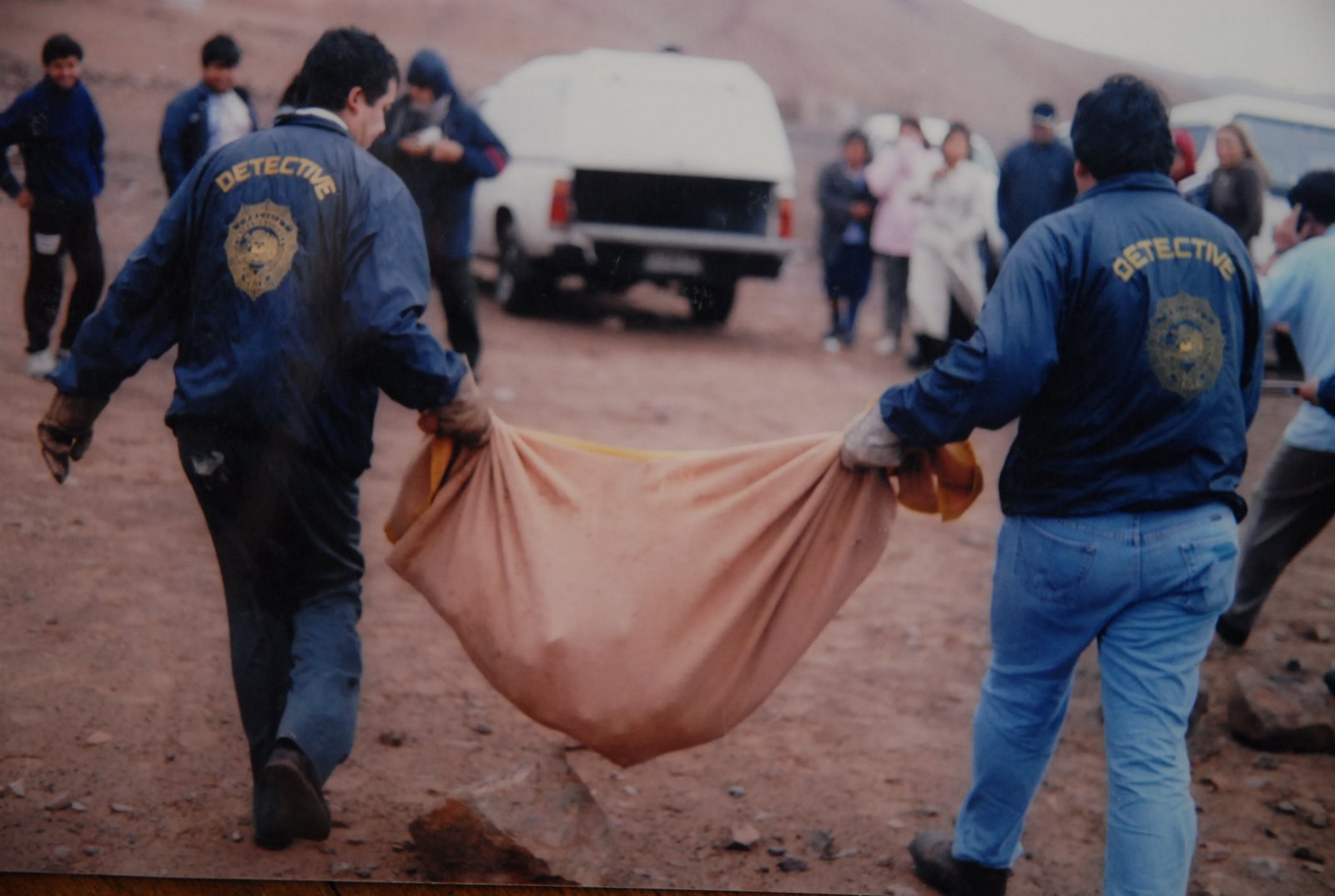
Pérez Silva was arrested on October 4, 2001. Confronted with physical evidence and the survivor's identification, he crumbled and provided a full confession. In dramatic televised operations, he led special police units (GOPE) through the desert terrain, identifying thirteen forgotten pits from which 14 decomposed female bodies were successfully recovered.
Trial, Sentencing, and National Scandal
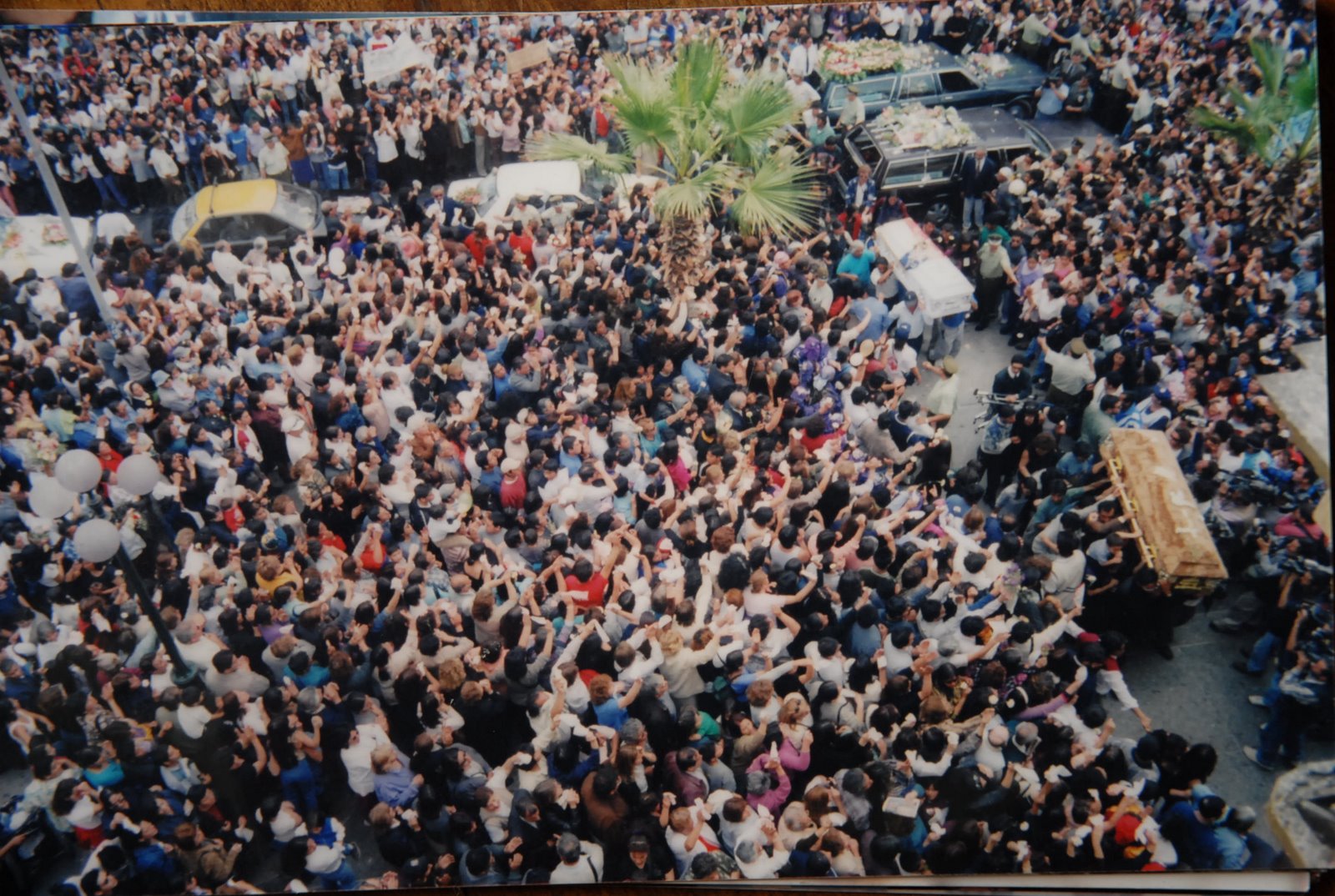
The revelations triggered widespread national outrage in Chile, forcing the dismissal of senior regional police officers and judicial figures for systemic negligence in brushing aside the initial missing person reports.
In August 2004, Julio Pérez Silva was sentenced to presidio perpetuo calificado for 14 counts of aggravated murder, rape, and robbery. Incarcerated in maximum security at Colina II Prison in Santiago, he remains one of the most notorious and reviled serial killers in South American criminal history.