



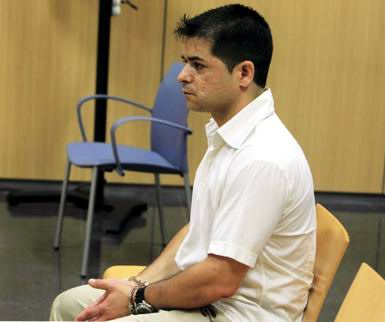
Forensic & Criminological Matrix
| Parameter | Forensic Detail |
|---|---|
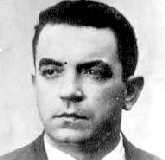
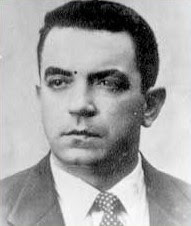
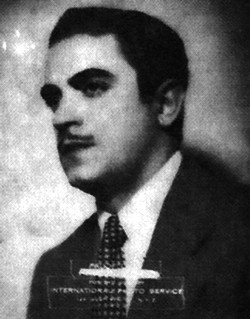
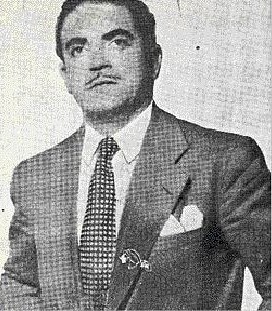
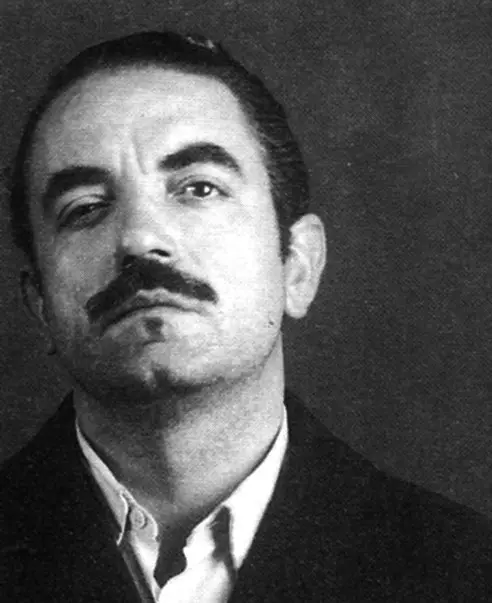
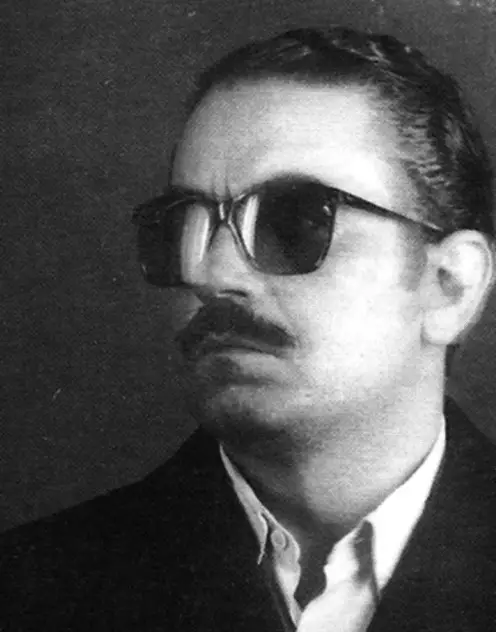
| Identity | José María Manuel Carlos Breva Hervás Jarabo |
| Known Aliases | "Jarabo", "The Lope de Vega Street Killer" |
| Criminal Classification | Premeditated multiple murderer, armed robber, and psychopathic dandy |
| Date of Birth | April 28, 1923 (Madrid, Spain) |
| Date of Death | July 4, 1959 (Aged 36, Carabanchel Prison, Madrid; executed by garrote vil) |
| Criminal Indictment | Convicted of 4 counts of aggravated murder with malice aforethought and armed robbery |
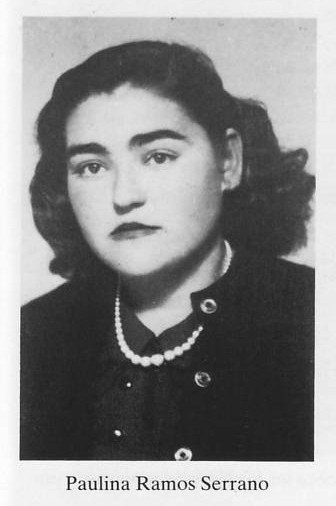
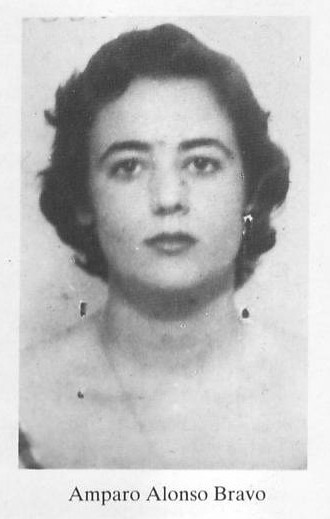
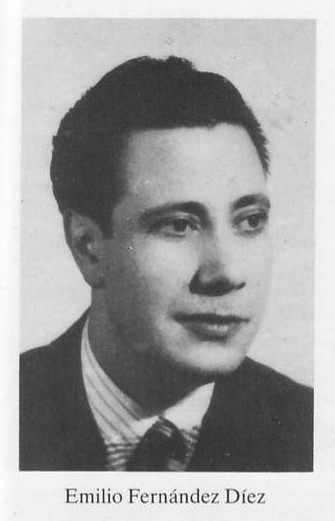
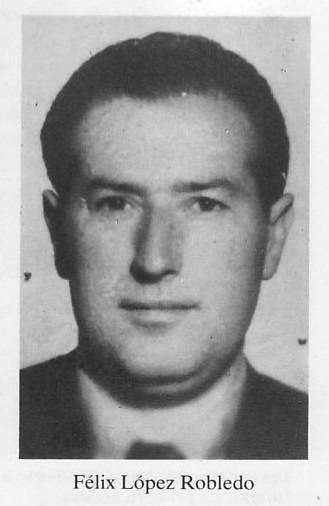
| Fatalities | 4 victims (unlicensed moneylenders Emilio Fernández Díez and Félix López Robledo; maid Amparo Alonso Bárcena; and Fernández's pregnant wife Paulina Ramos Gómez) |
| Crime Scenes | Calle Lope de Vega 41 and Calle Sainz de Baranda 19, Madrid, Spain |
| Active Period | July 19 – 21, 1958 |
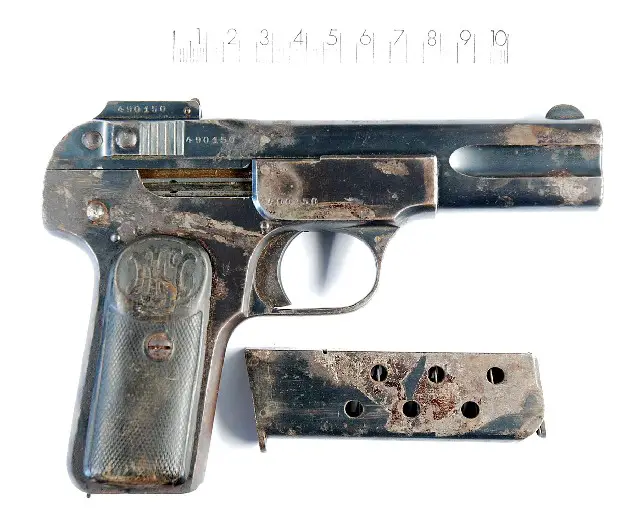
| Weapons Used | 7.65mm (.32 ACP) FN Browning semi-automatic pistol, heavy clothes iron, and kitchen knife. |
| Motive | Violent retrieval of a pawned diamond ring belonging to a married British mistress and armed theft of cash reserves. |
| Legal Status | Sentenced to four death sentences in January 1959. Executed by garrote vil on July 4, 1959, by executioner Antonio López Sierra. Marks the final ordinary civil execution of the Franco regime. |
Forensic Synopsis and Criminological Context
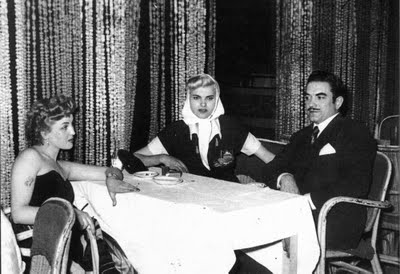
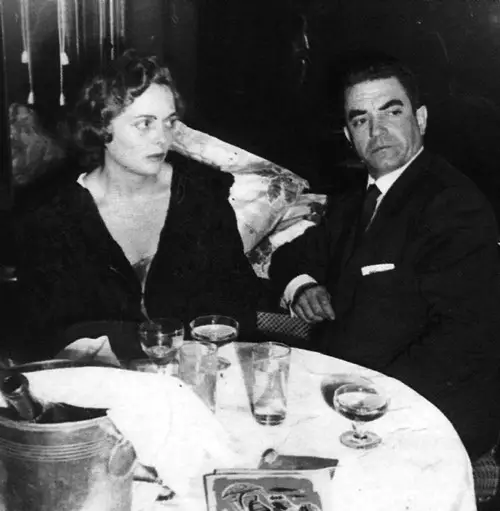
The criminal proceeding against José María Jarabo represents the most notorious true-crime drama of Francoist Spain. Descended from an elite judicial family (his father and uncle served as prominent High Court justices), Jarabo cultivated a persona as an aristocratic playboy, globetrotting dandy, and morphine addict who financed lavish nights in Madrid cabarets by pawning jewelry to black-market usurers.
Over a 48-hour period in July 1958, Jarabo orchestrated a bloody quadruple slaughter across two central Madrid residences, killing two moneylenders, a maid, and a pregnant woman using gunshots, knife slashes, and crushing blows with a domestic flatiron. His capture following the delivery of a blood-soaked suit to a local dry cleaner and his gruesome execution via the garrote vil in Carabanchel Prison—where the mechanical iron collar malfunctioned due to his unusually thick neck circumference—marked a turning point in Spanish legal history.
The Genesis: The Pawned Diamond Ring
Following a criminal record in the United States involving drug smuggling and subsequent deportation in 1950, Jarabo maintained an affair with Beryl Martin Barker, a married British expatriate:
- The Pawn: Barker entrusted Jarabo with an exquisite platinum diamond ring valued at over 60,000 pesetas. Starved of cash for narcotics and luxury dining, Jarabo pawned the heirloom to loan sharks Emilio Fernández Díez and Félix López Robledo.
- The Blackmail: When Barker’s husband announced his imminent arrival in Madrid, Jarabo demanded the ring back. The usurers refused without extortionate interest payments and threatened to forward compromised love letters to the woman's husband.
The Quadruple Murder Spree: July 19–21, 1958
On the evening of Saturday, July 19, 1958, Jarabo initiated his premeditated ambush:
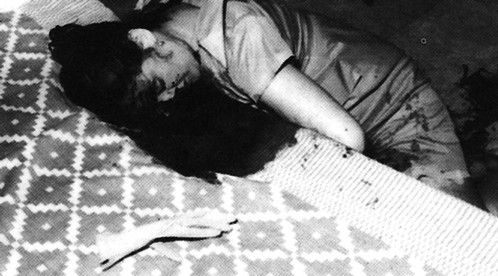
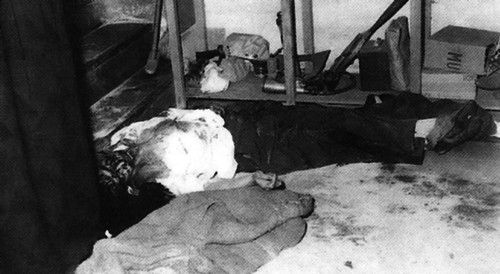
- The Lope de Vega Butchery (July 19): Arriving at Emilio Fernández’s apartment at 41 Calle Lope de Vega, he drew his Browning pistol and executed Fernández with a contact shot to the back of the neck. He subsequently subdued the maid, Amparo Alonso, stabbing her and bludgeoning her skull with a cast-iron clothes iron. He waited inside the apartment for hours until Fernández’s four-month pregnant wife, Paulina Ramos, walked through the door, shooting her dead.
- Living with the Dead: Jarabo spent Saturday night and the entire day of Sunday inside the apartment, drinking cognac and ransacking cupboards, sleeping casually alongside the three corpses.
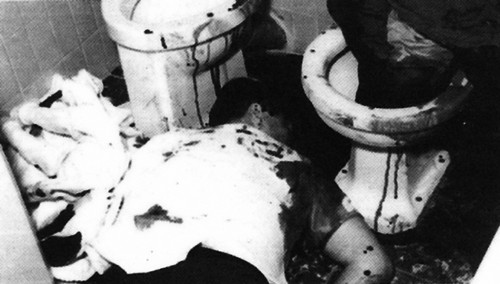
- The Sainz de Baranda Execution (July 21): On Monday morning, he visited the second moneylender, Félix López Robledo, at his pawn shop on Calle Sainz de Baranda. Posing as a plainclothes police inspector, Jarabo executed Robledo with two gunshots to the head and emptied the premises of cash.
The Dry Cleaner Faux Pas and Apprehension
Following the murders, Jarabo checked into a luxury pension and wined and dined female companions on champagne and caviar:
- The Blood-Stained Suit: On July 22, he brought his heavily bloodstained tailored suit to a dry cleaner on Calle Guzmán el Bueno, claiming the stains stemmed from a drunken tavern brawl. The proprietor, alerted by morning broadsheets reporting the triple murder, quietly notified criminal detectives.
- The Ambush: Undercover officers intercepted Jarabo when he returned to collect the freshly laundered suit, tackling him before he could draw his concealed firearm.
Trial, Franco's Refusal, and the Garrote Vil
The trial opened in Madrid in January 1959:
- Courtroom Arrogance: Jarabo appeared in bespoke suits, puffing imported cigarettes and displaying haughty indifference, insisting the loan sharks were extortionists who deserved liquidation.
- Sentencing: Found guilty on all counts, the court handed down four death penalties. General Francisco Franco rejected clemency appeals submitted by the judicial elite.
- The Execution: On July 4, 1959, inside Carabanchel Prison, official executioner Antonio López Sierra applied the garrote vil. Because of Jarabo's thick neck, the mechanical apparatus failed to snap the cervical vertebrae cleanly. It required over twenty minutes of agonizing mechanical wrenching and manual force to produce death, leaving a horrific legacy in Spanish penology.