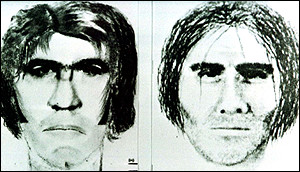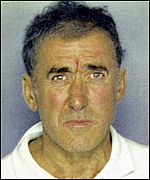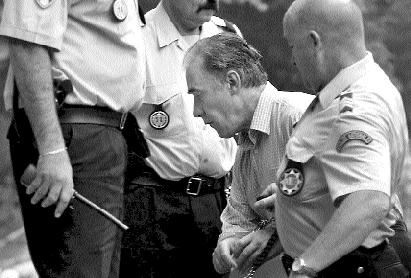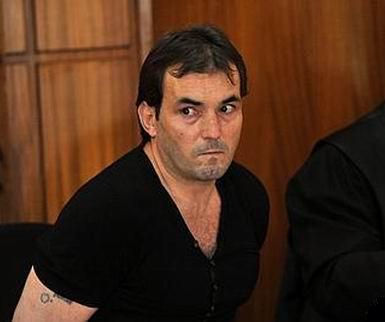





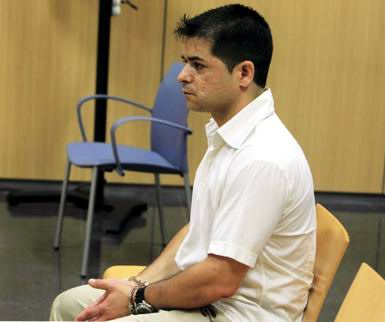
Forensic & Criminological Matrix
| Parameter | Forensic Detail |
|---|---|
| Full Legal Name | Francisco Arce Montes |
| Media Monikers | The Caroline Dickinson Murderer, The Youth Hostel Predator |
| Nationality | Spanish |
| Date of Birth | February 28, 1950, Lugones, Asturias, Spain |
| Current Penal Status | Sentenced to 30 years imprisonment with a 20-year non-parole security period; serving sentence in France |
| Confirmed Murder Victims | 1 (13-year-old British schoolgirl Caroline Dickinson) |
| Suspected Offenses | Dozens of nighttime sexual assaults against minors in youth hostels across Western Europe |
| Date of Lethal Crime | Overnight, July 18, 1996 |
| Geographic Jurisdiction | Pleine-Fougères municipal youth hostel, Brittany, France |
| Forensic Cause of Death | Mechanical positional asphyxiation via compression of the airways |
| Key Physical Evidence | Nuclear DNA profile matched to seminal fluids recovered from victim's pajamas and bedding |
| Primary Criminal Motive | Predatory sexual paraphilia, nocturnal prowling, and voyeuristic opportunistic assault |
1. Criminological Profile and Criminal Itinerary
Francisco Arce Montes exemplifies the cross-border itinerant sex offender within Western Europe. Originating from Asturias, Spain, he amassed a substantial judicial record throughout the 1970s and 1980s for voyeurism, unlawful entry, and predatory indecent assault against minors.
Taking advantage of free movement across borders under the Schengen Agreement and itinerant employment as a cook or laborer, Arce Montes developed a specialized modus operandi: identifying youth hostels, campsites, and budget lodgings catering to school trips. He exploited unsecured ground-floor windows during pre-dawn hours to infiltrate female dormitories.
2. The Slaying of Caroline Dickinson (1996)
In July 1996, a party of 39 British schoolchildren from Cornwall arrived in Brittany on a French cultural trip, staying at the municipal youth hostel in Pleine-Fougères:
- Infiltration: In the early morning hours of July 18, 1996, Arce Montes forced an unlatched window and slipped soundlessly into a shared girls' dorm.
- Assault: He climbed onto the bed of 13-year-old Caroline Dickinson, pinning her face firmly into her pillow and bedding while subjecting her to sexual assault.
- Lethal Asphyxiation: The sustained smothering cut off oxygen, suffocating the child to death. Arce Montes slipped away into the night undetected.
- Discovery: Fellow classmates found Caroline deceased in her bed later that morning, igniting an international outcry and intense political pressure on European law enforcement.
3. Forensic Investigation and DNA Deadlock
French Gendarmerie forensic teams successfully recovered semen stains, isolating a male nuclear DNA profile. However, in 1996, international DNA forensic databases were fragmented and uncoordinated across European police forces.
Over five frustrating years, French investigators collected voluntary DNA buccal swabs from over 3,000 local suspects, residents, and transients across northwestern France without finding a match.
4. International Apprehension and Genetic Match
The breakthrough occurred unexpectedly across the Atlantic:
- In March 2001, Arce Montes was intercepted by federal authorities at Miami International Airport while attempting to re-enter the United States from Madrid, due to existing immigration warrants.
- Deported back to Spain, French detectives—cross-referencing hostel prowler reports across Europe—requested an investigative swab of Arce Montes via Spanish judicial authorities.
- In October 2001, the National Institute of Toxicology in Madrid analyzed his genetic markers against the Pleine-Fougères semen sample: the forensic DNA match was conclusive (100%).
5. Trial, Adjudication, and International Impact
Extradited to France in 2002, Arce Montes stood trial at the Cour d'Assises in Rennes in June 2004. Confronted by undeniable genetic proof, he presented disingenuous conspiracy claims and expressed no remorse.
The court convicted him of aggravated rape and murder, imposing the statutory maximum of 30 years imprisonment, with a mandatory 20-year period of security detention. The resolution of the Caroline Dickinson case proved foundational in accelerating interoperable forensic DNA databases and cross-border European police cooperation.