Forensic & Criminological Matrix
| Parameter | Forensic Detail |
|---|---|
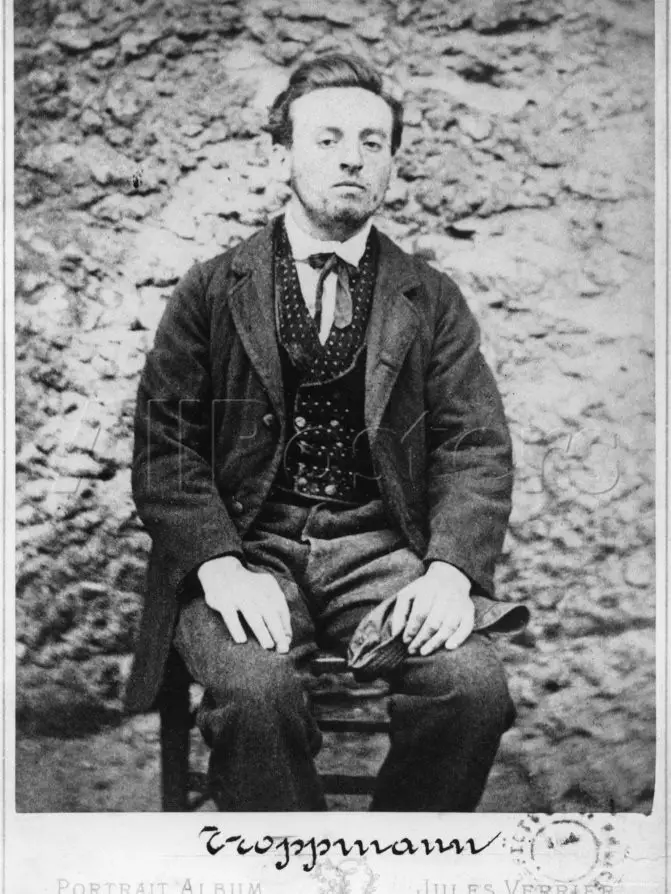
| Full Legal Name | Jean-Baptiste Troppmann |
| Media Monikers | The Human Tiger, The Beast of Pantin, The Monster of Pantin |
| Nationality | French (Alsatian) |
| Date of Birth | October 5, 1849, Cernay, Haut-Rhin, Alsace, France |
| Date of Death | January 19, 1870 (aged 20, publicly guillotined outside La Roquette Prison, Paris) |
| Historical Penal Status | Sentenced to death for eight premeditated capital homicides by the Cour d'Assises de la Seine |
| Confirmed Murder Victims | 8 individuals (Jean Kinck, his eldest son Gustave Kinck, pregnant mother Hortense Kinck, and her 5 small children aged 2 to 14) |
| Date of Crimes | August – September 1869 |
| Geographic Jurisdiction | Cernay (Alsace) and the plains of Pantin (northeastern outskirts of Paris), France |
| Lethal Forensic Mechanics | Prussic acid (cyanide) poisoning, sharp-force stabs, pickaxe blunt head trauma, and manual/ligature strangulation |
| Primary Criminal Motive | Psychopathic greed, financial ambition, and the systematic usurpation of the Kinck family's estate |
1. Criminological Trajectory and Personality
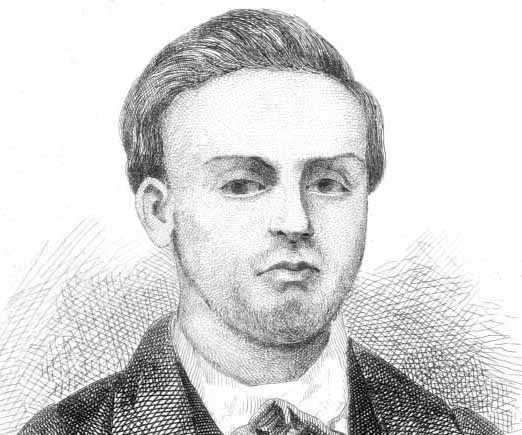
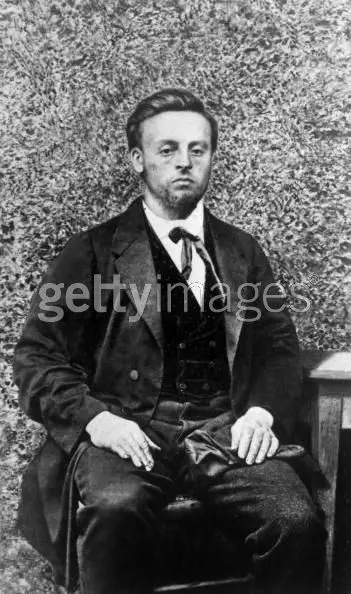
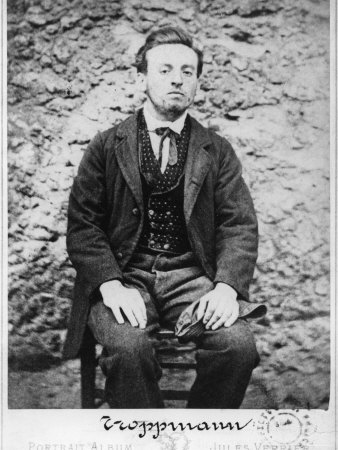
Jean-Baptiste Troppmann remains one of the most chilling mass murderers of 19th-century European jurisprudence. Known in the contemporary French press as The Beast of Pantin, this 19-year-old Alsatian mechanic paired remarkable technical intellect with absolute moral nihilism and calculating emotional depravity.
Reared by an eccentric, domineering inventor father, Troppmann harbored a consuming fixation on achieving sudden wealth to fund his mechanical patents. To accomplish this, he devised a meticulous plot of family extermination that captivated and horrified international observers, including Ivan Turgenev and Charles Dickens.
2. The Kinck Family Extermination Scheme
Troppmann befriended Jean Kinck, a prosperous brush manufacturer from Roubaix who shared Alsatian roots. Learning that Kinck sought investment opportunities, Troppmann enticed him with a clandestine manufacturing venture in Alsace:
- Slaying of the Patriarch (August 1869): Troppmann lured Jean Kinck to the ruins of Herrenfluh Castle in Alsace, poisoned his wine with prussic acid, and buried his body in a woodland pit.
- Murder of the Eldest Son: Using forged letters from the father, Troppmann summoned Kinck's 17-year-old son Gustave to Paris to withdraw bank drafts. When the banks refused to release the money without proper endorsements, Troppmann stabbed the teenager to death and buried him in the unpaved fields of Pantin.
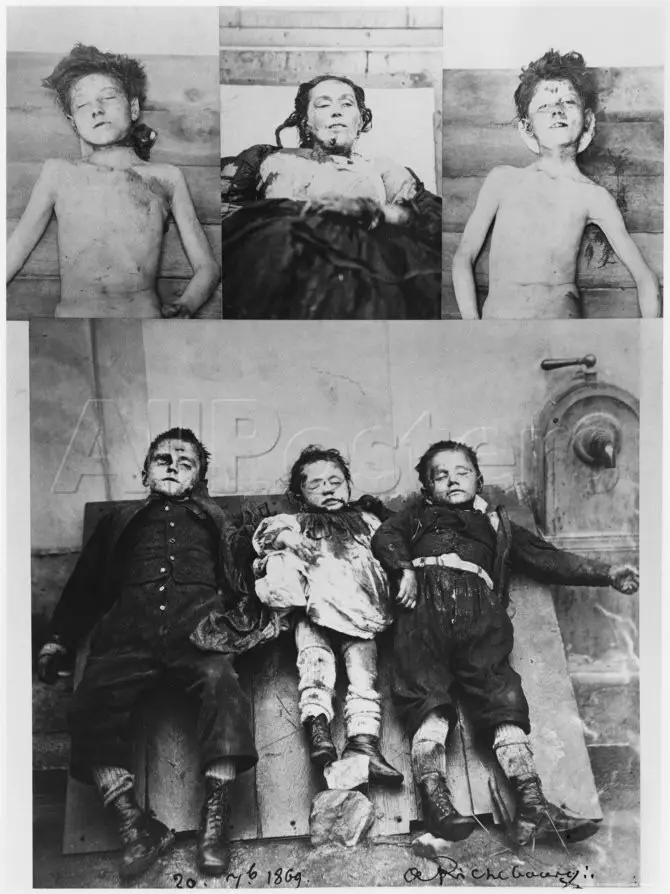
- The Slaughter of Pantin (September 19, 1869): Masquerading as the father's envoy, Troppmann instructed Kinck's pregnant wife, Hortense Kinck, to bring her five remaining children—Émile (14), Henri (10), Alfred (8), Delphine (4), and Marguerite (2)—to Paris.
- On the night of September 19–20, 1869, Troppmann brought the mother and children in a hired carriage to the secluded plains of Pantin. Methodically, he led the children one by one into the darkness, choking, stabbing, and smashing their skulls with a pickaxe before slitting the mother's throat and throwing all six into a pre-dug trench.
3. Discovery at Pantin and Port Capture
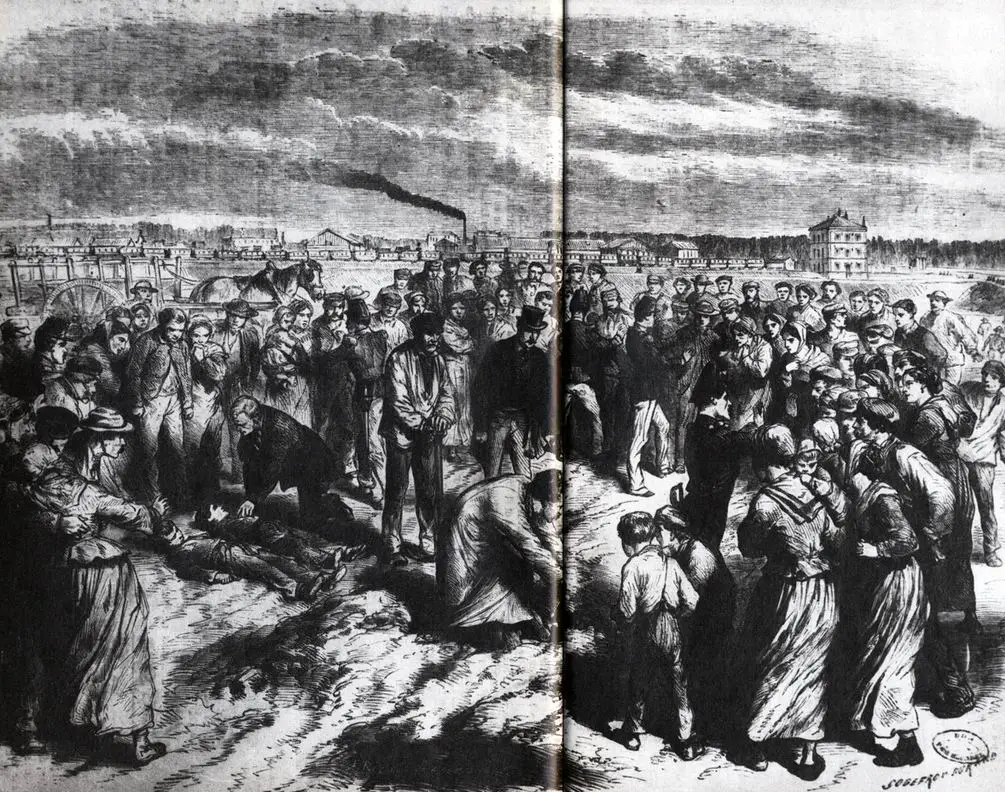
On September 20, 1869, a local laborer noticed fresh blood pooling above freshly turned earth at Pantin. Excavating the site, authorities unearthed the horrifying grave of the mother and five infants.
The discovery prompted unprecedented national hysterics. Thousands visited the crime scene via railway. Papers inside the victims' clothes identified the Kinck family.
Troppmann fled to the port of Le Havre, seeking passage to America. However, his erratic demeanor aroused the suspicions of a harbor gendarme. When challenged for papers, Troppmann leaped into the docks to escape, was fished out, and arrested. In his pockets were the Kinck family's watches, papers, and passports.
4. Trial and Public Execution
Tried before the Cour d'Assises de la Seine in December 1869, Troppmann attempted to blame fictional confederates, but indisputable chemical, handwriting, and physical evidence proved his solitary guilt.
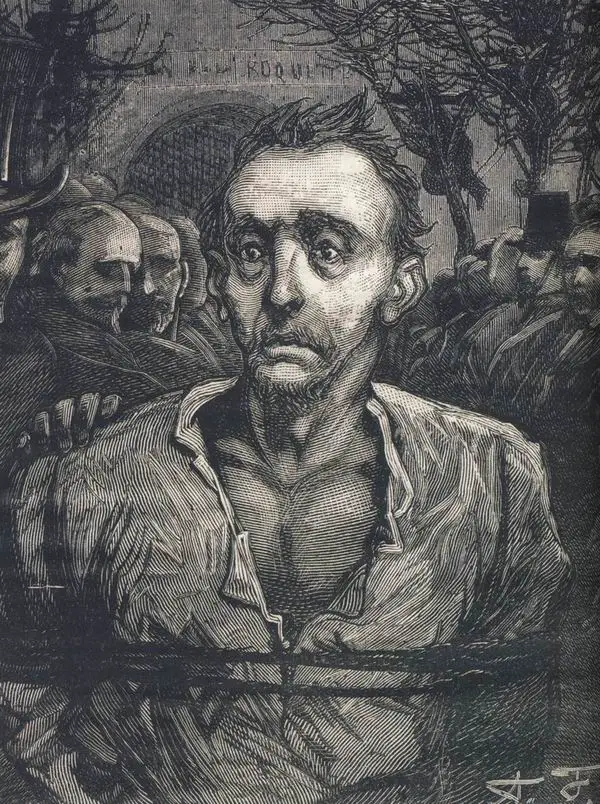
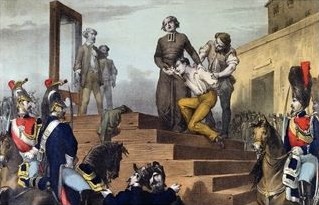
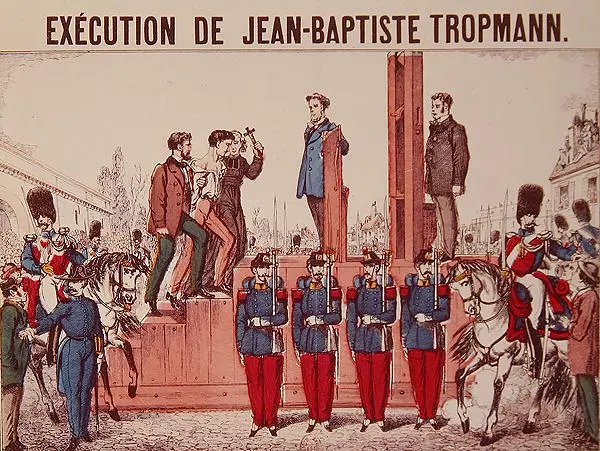
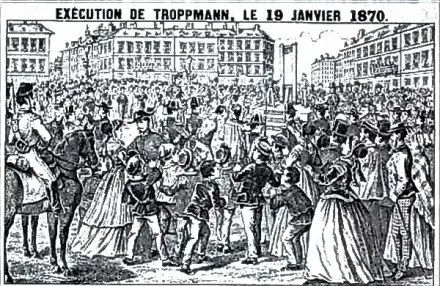
On December 31, 1869, he was sentenced to death. On January 19, 1870, at dawn outside La Roquette Prison, an immense crowd assembled. Climbing the scaffold, Troppmann fought violently with the executioners, attempting to bite executioner Jean-François Heidenreich's hand just as the guillotine blade severed his head.