


Éric Borel ("The Cuers Shooter"): Family Annihilation, Spree Shooting in the Var, and France's Deadliest Youth Massacre (1995)
Executive Summary
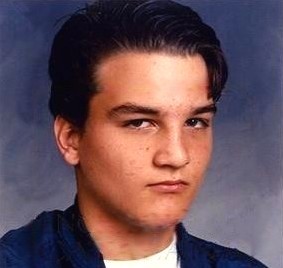
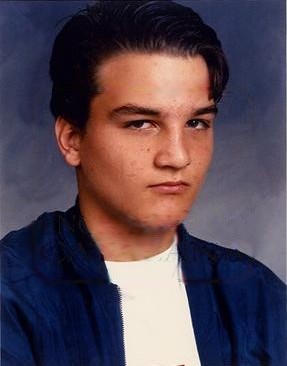
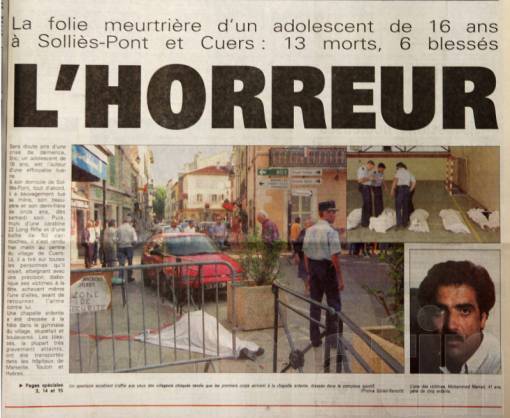
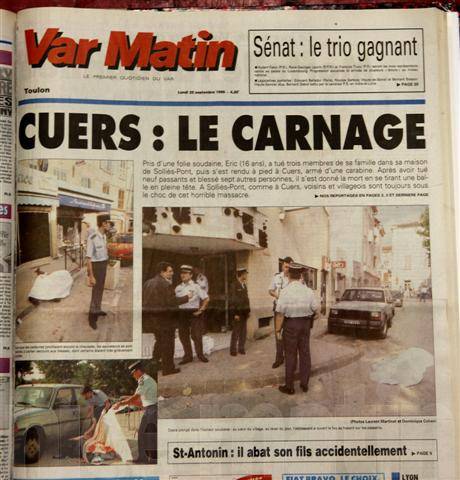
Éric Borel (December 11, 1978 – September 24, 1995) was a 16-year-old French vocational school student who perpetrated the deadliest mass shooting by a lone adolescent shooter in modern French history prior to the 2015 terror attacks. Over an eighteen-hour rampage between the evening of September 23 and the morning of September 24, 1995, across the contiguous municipalities of Solliès-Pont and Cuers in the Var department (Provence-Alpes-Côte d'Azur region), Borel methodically murdered fifteen people—including three immediate family members in their residence and twelve random civilians in public streets—and critically wounded four others before taking his own life via a self-inflicted gunshot wound as tactical Gendarmerie units converged.
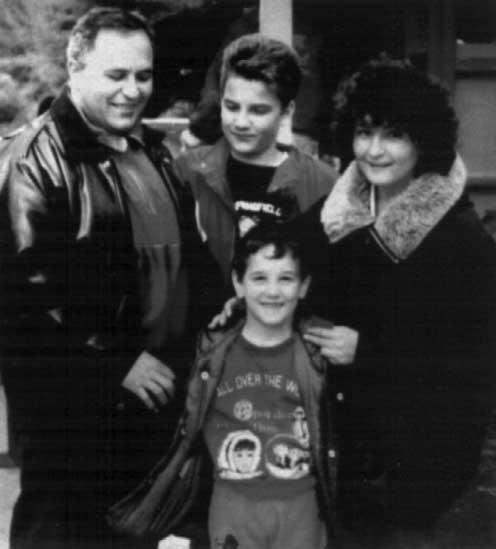
A withdrawn, sullen teenager consumed by military fantasies and Nazi memorabilia, Borel lived in a stifling domestic dynamic characterized by severe physical and psychological abuse from his authoritarian stepfather, Yves Bichet, and his mother, Marie-Jeanne Parenti, a devout member of Jehovah's Witnesses. Following a domestic row on Saturday night, Borel slaughtered his stepfather, his 11-year-old stepbrother, and his mother using a masonry hammer, a knife, and a .22 caliber hunting carbine. Sleeping alongside the corpses overnight, he walked across country roads to neighboring Cuers the following morning, opening fire on residents, motorists, and café patrons during a half-hour rampage. The massacre precipitated sweeping national firearms reforms in France and spurred clinical investigations into adolescent spree violence.
Forensic Technical Matrix
| Parameter | Criminological & Forensic Detail |
|---|---|
| Legal Identity | Éric Borel |
| Public Notoriety Name | Éric Borel |
| Criminological Aliases | "The Cuers Shooter", "Le Tueur de Cuers" |
| Date of Birth | December 11, 1978 (Pau, Pyrénées-Atlantiques, France) |
| Date of Death | September 24, 1995 (Cuers, Var, France; aged 16) |
| Vital & Legal Status | Suicide at the crime scene (Suicide); terminal self-inflicted intra-cranial gunshot |
| Criminological Classification | Spree killer / Family annihilator and public mass murderer |
| Confirmed Fatal Victims | 15 victims (3 family members in home, 12 random civilians on public streets) |
| Severely Injured Victims | 4 individuals hospital-treated with critical penetrating bullet trauma |
| Weapons of Offense | Anschütz bolt-action .22 Long Rifle hunting carbine, compressed-air pistol, sledge hammer, hunting knife |
| Primary Motive | Violent domestic retaliation, pathological adolescent nihilism, and indiscriminate misanthropic fury |
| Geographic Scenes | Family rural home in Solliès-Pont and central streets of Cuers (Var, France) |
| Investigative Authorities | Gendarmerie Nationale (Toulon Research Brigade) & Draguignan Public Prosecutor |
| Public Prosecutor | Michael Darras (Toulon Public Prosecutor) |
| Terminal Forensic Finding | Immediate death via contact perforating intraoral/submental .22 caliber cranial gunshot |
Family Dynamic, Domestic Abuse, and Radical Isolation
Éric Borel was born in Pau to teenage parents; following his biological father's fatal road collision during his infancy, he spent his earliest years under the care of loving paternal grandparents. At age five, his mother Marie-Jeanne reclaimed custody following her marriage to Yves Bichet, an authoritarian civil works contractor.
The family settled in an isolated villa outside Solliès-Pont near Toulon. Within the household, Borel endured a brutal regime:
- Systematic Physical Abuse: Bichet frequently subjected Borel to severe physical beatings, enforcing rigid labor tasks on construction sites and belittling his intelligence.
- Religious Coercion: His mother, a fanatical convert to Jehovah's Witnesses, forbade him from listening to secular music, celebrating birthdays, or mingling socially with schoolmates, branding ordinary teenage behaviors as sinful.
- Obsession with Extremist Militarism: In response to severe emotional alienation, Borel transformed his bedroom into a militaristic shrine adorned with swastikas, posters of Adolf Hitler, Waffen-SS books, and combat gear, declaring to schoolmates his intention to enlist in the French Foreign Legion upon turning seventeen.
Phase One: The Solliès-Pont Familicide (September 23, 1995)
On Saturday evening, September 23, 1995, at approximately 6:00 PM, following an intense argument in the kitchen of the villa, Borel initiated his violent retribution:
- Murder of Stepfather: Borel seized a heavy masonry claw hammer, struck 46-year-old Yves Bichet repeatedly on the skull from behind, and shot him four times through the chest using his family's .22 LR Anschütz hunting carbine.
- Murder of Stepbrother: When 11-year-old stepbrother Jean-Yves entered the kitchen upon hearing the gunshots, Borel shot the boy through the head and inflicted multiple fatal knife wounds to his torso.
- Execution of Mother: Borel remained in the kitchen until 8:30 PM, when his mother Marie-Jeanne (36) returned from a religious service. As she stepped inside, Borel bludgeoned her skull with the hammer and executed her with a point-blank gunshot to the nape of the neck.
Borel covered all three corpses with bedsheets, scrubbed blood from the tiles, and slept in the house. He wrote a brief suicide note and packed hundreds of .22 caliber rounds into a canvas satchel.
Phase Two: The Cuers Public Rampage (September 24, 1995)
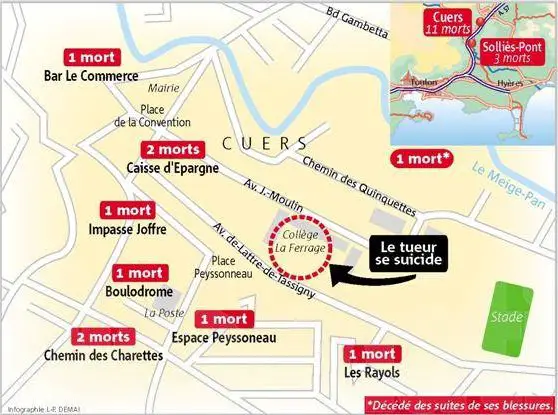
At approximately 6:30 AM on Sunday, September 24, Borel set out on foot toward the neighboring market town of Cuers, carrying the scoped Anschütz rifle fitted with an improvised suppressor. Navigating vineyard paths across five kilometers, he arrived in Cuers at 7:15 AM.
Over the ensuing thirty minutes, Borel marched through the town streets shooting indiscriminately at civilians:
- Schoolmate Ambush: At 7:30 AM, he encountered high-school peer Alan Guillemette (17), briefly conversed with him, and shot him mortally through the abdomen.
- Civilians in Thoroughfares: He shot an elderly resident tending his garden, a woman sweeping her doorstep, and a local baker opening his storefront.
- Terrace Massacre at Café Le Rallye: In the town center, Borel walked past the sidewalk tables of café Le Rallye, firing rapid, precise shots at patrons having morning coffee, killing several customers instantly.
- Passing Motorists: He fired directly through windshields of moving automobiles, causing vehicles to crash and shooting drivers attempting to assist the injured.
In thirty minutes, Borel murdered 12 people on the streets of Cuers and critically wounded four others.
Cornered at the Cemetery and Suicide
Shortly before 8:00 AM, alerted by emergency calls, armed Gendarmerie patrols descended on the scene. Sighting tactical officers advancing along the street, Borel retreated toward the gates of the municipal cemetery.
Recognizing that escape was impossible and as officers took positions ordering him to drop the weapon, Borel sat down on a concrete loading dock near the cemetery entrance. Placing the barrel of the .22 carbine under his chin angled upward into his cranium, he pulled the trigger, dying instantly from catastrophic brain trauma before medics could approach.
Forensic Analysis and Legislative Gun Control Reforms
The Cuers massacre profoundly shocked France and spurred major criminological and legislative reassessments:
- Forensic Marks of Surgical Precision: Autopsy reports conducted by forensic pathologists in Toulon noted the extraordinary accuracy of Borel’s shooting: twelve of the fifteen fatalities suffered lethal penetrating wounds directly to the cardiac triangle or the central nervous system. Psychiatric review boards characterized Borel’s psychology as an explosive depressive-homicidal decompensation where the initial domestic massacre collapsed all remaining inhibitory barriers.
- French Firearm Legislation: Prior to 1995, .22 Long Rifle caliber firearms were classified under Category 7 and 5 in France, permitting straightforward purchase with minimal oversight. The massacre prompted Prime Minister Alain Juppé’s government to overhaul firearm licensing, subjecting .22 caliber rifles to mandatory police registration, psychiatric certification, and rigorous secure-storage requirements.