




Forensic & Criminological Matrix
| Parameter | Forensic Detail |
|---|---|
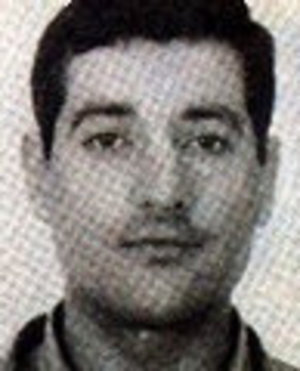
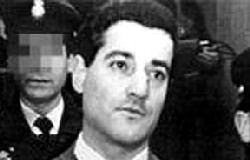
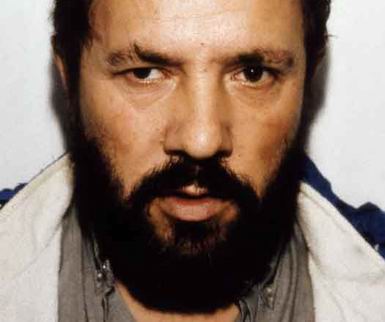
| Full Legal Name | José Antonio Rodríguez Vega |
| Media Monikers | The Old Ladies Killer (El mataviejas), The Santander Gerontophile Slayer |
| Nationality | Spanish |
| Date of Birth | December 3, 1957, Santander, Cantabria, Spain |
| Date of Death | October 24, 2002 (aged 44, murdered/lynched in the courtyard of Topas Penitentiary, Salamanca, by two inmates armed with prison shivs) |
| Historical Penal Status | Sentenced to 440 years imprisonment (statutory maximum of 30 years effective confinement under Spain's 1973 Penal Code) |
| Confirmed Murder Victims | 16 elderly women (aged 60 to 93) |
| Active Criminal Span | August 1987 – May 1988 (ten-month intensive serial killing wave) |
| Geographic Jurisdiction | Santander, Cantabria, Spain |
| Lethal Forensic Mechanics | Mechanical suffocation via facial occlusion (pillows, cloths) and manual throttling |
| Forensic Signature & Staging | Sadistic sexual violations against comatose elders, peaceful staging of corpses in beds to mimic natural sleep, and retention of cheap knick-knacks and figurines as psychological trophies |
| Primary Criminal Motive | Extreme psychopathic sadism, predatory gerontophilia, deep maternal misogyny, and obsessive souvenir collection |
1. Criminological Trajectory and Sociopathic Genesis
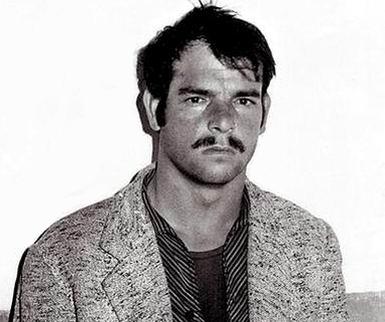
José Antonio Rodríguez Vega stands in European forensic history as one of the deadliest and most calculating serial predators targeting vulnerable geriatric victims. Raised in Santander, his childhood was severely marred by domestic brutality from his father and intense, conflicted hostility toward his mother, fostering deep-seated misogynistic resentment that he later projected onto elderly women.
Possessing superficial charm, an articulate conversational demeanor, and trade skills as a bricklayer, Rodríguez Vega amassed prior convictions for violent sexual assault. In 1978, he was sentenced to 27 years in prison for multiple rapes in Cantabria; however, prison labor credits and compliant behavior secured his conditional release in 1986 after serving merely eight years.
2. Modus Operandi and Forensic Staging
Resuming life in Santander alongside an unsuspecting wife, Rodríguez Vega shifted his predatory focus exclusively toward solitary elderly women:
- Targeting and Luring: He scouted city produce markets, neighborhood pharmacies, and church perimeters, singling out frail widows carrying groceries.
- Gaining Domestic Entry: Posing as an affable handyman, he offered to assist them upstairs or proposed minor masonry and plumbing repairs for minimal fees. Once admitted, he established an atmosphere of warmth over tea or domestic banter.
- Ambush and Sexual Violation: At an unguarded moment, he physically overwhelmed the victim, immobilizing her and inflicting brutal sexual violations.
- Lethal Suffocation and Signature Staging: He smothered the victims with bed pillows or gentle manual throttling. Once deceased, he straightened their garments, laid them gently in bed, and arranged the bedding to simulate a peaceful death in their sleep.
- Souvenir Collection: Indifferent to substantial cash reserves, he methodically stole cheap, intimate trinkets: ceramic figurines, cheap plastic rosaries, alarm clocks, and front-door keys, sequestering them in a locked storage shrine.
3. The "Natural Death" Epidemic and Forensic Awakening
Due to the deceptive staging and advanced age of the victims, the first ten slayings were erroneously certified by attending physicians as natural heart attacks, strokes, or cardiac failure.
By early 1988, Santander homicide detectives detected an alarming statistical anomaly: solitary elderly women dying with faint facial bruising while family members reported small decorative figurines and apartment keys missing. Santander police organized a special task force to hunt the phantom predator christened El mataviejas.
4. Pawned Television and Apprehension (May 1988)
A critical misstep occurred on May 19, 1988, following the murder of 66-year-old Julia Baucells, from whom he stole a portable television:
- Detectives traced the pawned television directly to José Antonio Rodríguez Vega, whose past sexual assault record raised immediate alarm.
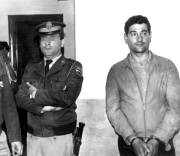
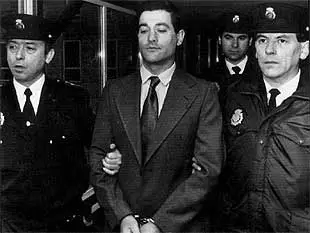
- On May 19, 1988, tactical officers arrested him on a central Santander thoroughfare.
- A search of his home and a secret padlocked storage chamber uncovered a macabre trophy room: shelves lined with labeled plaster statuettes, crucifixes, and keys.
- Relatives of sixteen deceased women visited the station house and broke into tears as they positively identified their mothers' missing souvenirs, dismantling his alibis.
- Confronted with physical evidence, Rodríguez Vega delivered a full, chilling confession to sixteen murders.
5. Trial, Life Sentence, and Prison Slaying
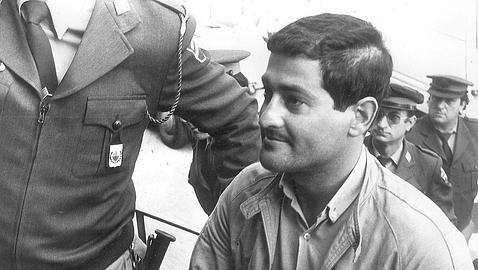
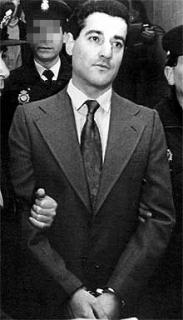
In November 1991, his trial at the Santander Provincial Court attracted massive national media coverage. Defiant and dismissive, psychiatric experts evaluated him as fully sane—a primary psychopath driven by cold-blooded predatory malice.
He was convicted of 16 counts of murder with treachery and sexual assault, receiving a global sentence of 440 years imprisonment.
Transferred to the maximum-security Topas Penitentiary in Salamanca, his notoriety made him a marked man. On October 24, 2002, while walking in the prison yard, two fellow inmates ambushed Rodríguez Vega with sharpened prison shivs, inflicting over thirty stab wounds to his chest and neck, terminating his life at age 44.