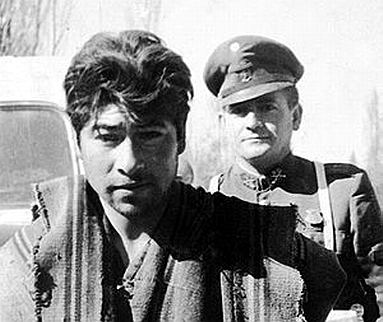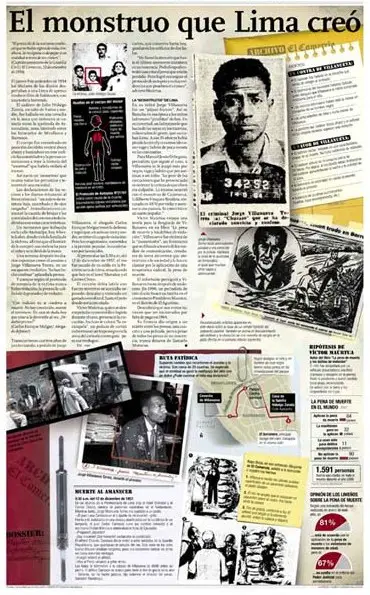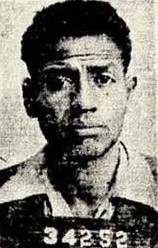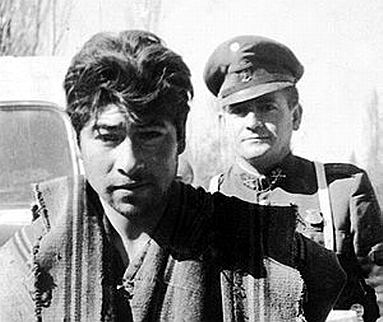




Forensic & Criminological Matrix
| Parameter | Forensic Detail |
|---|---|
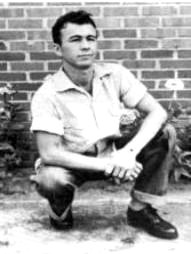
| Full Legal Name | Jorge del Carmen Valenzuela Torres |
| Media Monikers | The Jackal of Nahueltoro (El Chacal de Nahueltoro), El Canaca |
| Nationality | Chilean |
| Date of Birth | 1922, San Fabián de Alico, Ñuble Region, Chile |
| Date of Death | April 30, 1963 (aged 41, executed by firing squad in the courtyard of Chillán Prison) |
| Historical Penal Status | Sentenced to capital punishment by the Second Criminal Court of Chillán; confirmed by the Supreme Court of Chile; presidential clemency denied by President Jorge Alessandri |
| Confirmed Murder Victims | 6 individuals from a single family: his common-law partner Rosa Rivas (38) and her five minor children (aged 6 months to 9 years) |
| Massacre Date | Saturday, August 20, 1960 |
| Geographic Crime Scene | Riverbank and rural trail in Nahueltoro, Coihueco township, Ñuble province, Chile |
| Lethal Weaponry | Heavy wooden club, detached curved scythe blade, and mechanical foot crushing |
| Ethical, Judicial & Cinematic Legacy | The definitive landmark case regarding capital punishment and judicial rehabilitation in Chilean history; inspired Miguel Littín's masterpiece film The Jackal of Nahueltoro (1969) |
| Diagnostic Motive | Explosive homicidal frenzy triggered by acute pathological alcohol intoxication overlying lifelong cultural illiteracy and extreme rural deprivation |
1. Social Marginality and Rural Destitution
Jorge del Carmen Valenzuela Torres was born into profound rural squalor in pre-Andean central-southern Chile. The illegitimate child of a single mother, Valenzuela suffered severe abandonment, never attending school and wandering as an itinerant agricultural laborer ("afuerino") from the age of ten.
Plagued by chronic alcoholism that consumed his meager wages, Valenzuela began cohabiting in 1960 with Rosa Rivas, an impoverished 38-year-old widow supporting five young children in Nahueltoro.
2. The Nahueltoro Massacre (August 20, 1960)
On Saturday, August 20, 1960, the couple collected an outstanding welfare pension payment in San Carlos. Valenzuela spent the funds purchasing local cane spirits, and the couple drank heavily throughout the afternoon:
- The Trailside Confrontation: Returning late at night along a dark riverbank path with the five children, an argument erupted over remaining funds that Valenzuela demanded for more alcohol.
- The Slaughter: Overcome by acute alcoholic psychosis, Valenzuela seized a heavy wooden log, fracturing Rivas's skull. He then produced a broken agricultural scythe blade, ambushing the fleeing children in the brush:
- He slashed and severed the throats of the four older children.
- Seizing the six-month-old infant girl, he hurled her to the ground and repeatedly stomped on her chest and skull, placing heavy river boulders atop the corpses to conceal the slaughter.
- Flight and Capture: Valenzuela collapsed in a stupor nearby. Realizing the magnitude of his acts upon sobering up, he fled into the mountains. After a nationwide manhunt, Chilean Carabineros cornered and arrested him in late September 1960.
3. Prison Redemption and Ethical Dilemma
Confined to Chillán Prison, Valenzuela underwent an unprecedented intellectual and moral transformation:
- Provided with humane treatment and structural discipline for the first time in his life, Valenzuela learned to read and write, trained as a luthier crafting guitars, and underwent a devout Roman Catholic conversion guided by prison chaplain Father Eloy Parra.
- His profound remorse and intellectual awakening triggered widespread public debate across Chilean society. Intellectuals, jurists, and bishops argued that executing a fully rehabilitated, educated man contradicted the fundamental rehabilitative aims of modern penal law.
- Despite passionate clemency appeals, conservative President Jorge Alessandri Rodríguez rejected the petition on grounds of strict statutory equality.
4. Firing Squad Execution and Enduring Legacy
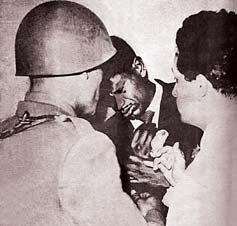
At 06:00 AM on April 30, 1963, in the central yard of Chillán Prison:
- Valenzuela refused a blindfold, expressing forgiveness and repentance.
- A military firing squad carried out the death sentence, killing him instantaneously with a volley of rifle fire.
- His gravesite in San Carlos evolved into a site of regional peasant pilgrimage (animita).
In 1969, director Miguel Littín premiered The Jackal of Nahueltoro, considered one of the masterpieces of Latin American cinema, highlighting the profound contradiction of a societal apparatus that neglects marginalized peasants only to educate and humanize them in prison before carrying out their state execution.