



Forensic & Criminological Matrix
| Parameter | Forensic Detail |
|---|---|
| Forensic Heading / Aliases | N/A |
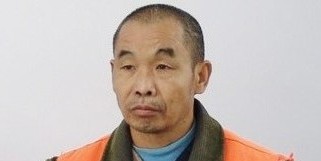
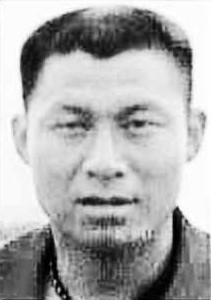
| Legal Identity | Yan Yanming |
| Confirmed Victims | 9 |
| Attributed / Indicted Victims | 9 |
| Active Timeline | November 25, 2004 |
| Jurisdiction / Area of Operations | Ruzhou, Henan, China |
| Criminological Classification | Mass Murderer |
| Forensic Modus Operandi | Nighttime dormitory intrusion with bladed weapon |
| Weapon / Mechanism of Death | Kitchen knife and flashlight |
| Motive / Behavioral Dynamics | Hatred, resentment, and personal revenge |
| Judicial Outcome | Death penalty (Executed by firing squad) |
1. Background and Profile
Yan Yanming was born in 1983 in Ruzhou, Henan Province, China. Ruzhou, a city known for its Song Dynasty porcelain, became the center of national attention following Yan's rampage. At the time of the incident, he was 21 years old. Yan lived in Jiaowa Natural Village and was an only child. His father, a former cook at the school where the massacre occurred, had died three years prior from Hepatitis B. Following his father's death, Yan took over the family's pig farm to support his mother. He was described as an introverted, taciturn individual who kept to himself. There were no prior criminal records or documented psychiatric histories released to the public, though his actions demonstrated a high level of lethality and pathological resentment. Criminologists later pointed to the potential influence of violent media and police reality shows, which were proliferating in China at the time, as a factor in the rising juvenile crime rate.
2. Crime Spree
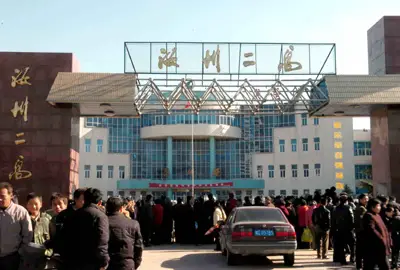
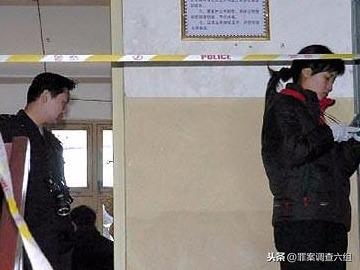
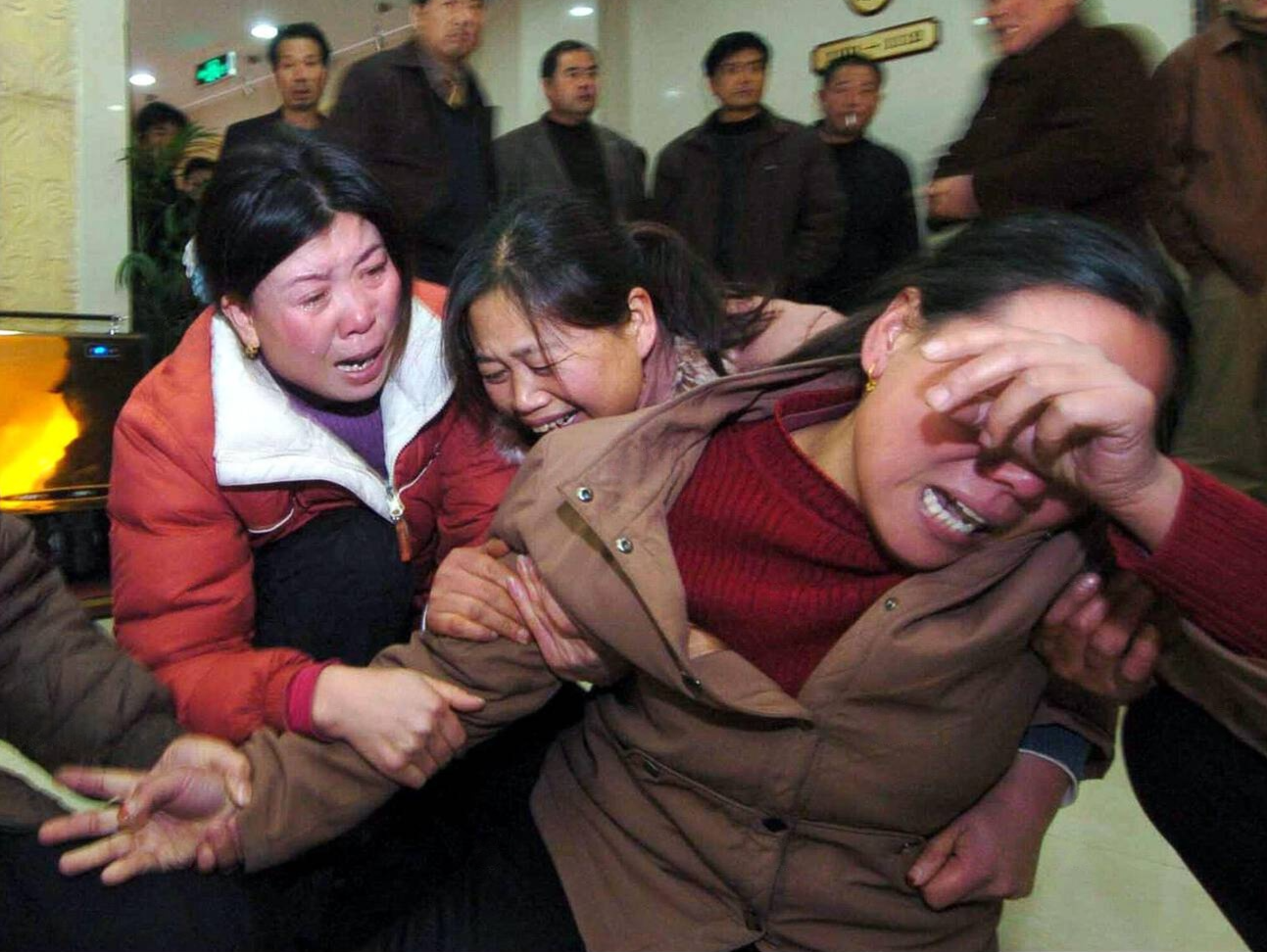
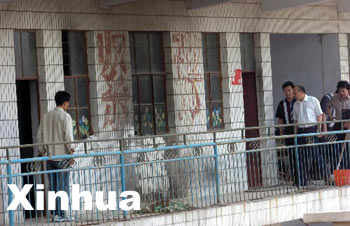
On the night of November 25, 2004, at approximately 23:45, Yanming entered the dormitory of Ruzhou No. 2 High School. The school was located only five meters from his home, separated by a single wall. Armed with a knife and a flashlight, Yan climbed the wall and entered through a first-floor balcony that lacked security bars. He proceeded to the third floor, targeting the dormitories of classes 6, 7, and 8. The assault was systematic and brutal; he targeted students sleeping in the lower bunks of at least three different rooms. Forensic reports indicated that Yan slashed the throats of some victims and stabbed others directly in the heart. Witnesses later described seeing blood running down the entrance stairs of the institute. Six students were killed instantly, and three others later succumbed to their wounds at the hospital, totaling nine fatalities. Four additional students survived the attack with injuries. During the assault, he repeatedly stated: “Don't blame me.”
3. Investigation and Arrest
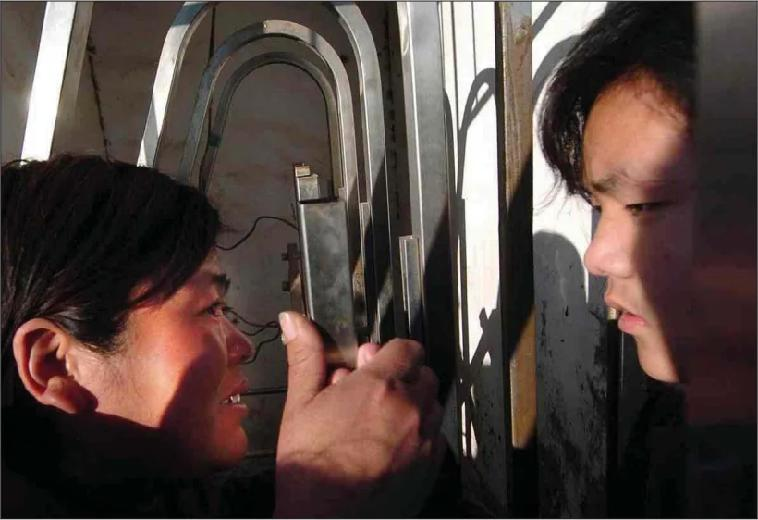
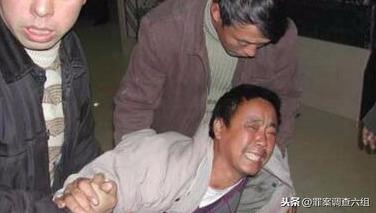
Following the massacre, Yanming fled to his home and attempted suicide by ingesting a drug overdose or poison. Unaware of his crimes, his relatives took him to the Ruzhou First People's Hospital for emergency treatment. His mother, becoming suspicious of his behavior and connecting it to the news of the school murders, reported him to the police. Yanming was arrested on the afternoon of November 26 while still receiving intravenous fluids. During interrogation, he remained calm and malicious, stating his motive was revenge for students calling him a 'pig raiser,' invading his privacy, and allegedly killing his dog. His arrest occurred amidst a wave of similar school attacks across China, which had seen six major incidents in just four months.
4. Legal Proceedings and Outcome
Yanming confessed to the crimes, citing years of bullying and harassment as his primary motive. On December 29, 2004, the Pingdingshan Intermediate People's Court sentenced him to death and ordered him to pay 53,500 yuan in compensation to each victim's family. His appeal to the Henan Provincial Higher People's Court was rejected. The judicial process was expedited, consistent with the Chinese government's 'strike hard' policy and the urgent need to address public outrage over school safety. The case highlighted the vulnerability of schools in the 'land of one-child families,' leading many parents to seek professional security services.
5. Psychiatric Evaluation and Final Disposition
No formal clinical diagnosis of mental illness was reported; instead, his actions were attributed to a severe personality disorder characterized by extreme resentment and social alienation. Criminologists like Kang Shuhua noted that such crimes often mirrored violent media content, suggesting a 'copycat' element. On January 18, 2005, after a public sentencing rally attended by over 100 armed officers, Yan Yanming was taken to the execution ground. He was executed by firing squad at 10:05 AM in Pingdingshan, Henan Province, less than two months after the attack. His death marked the end of one of the most high-profile cases in a series of school stabbings that forced a nationwide overhaul of campus security measures.