


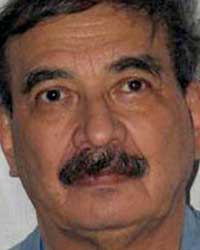
Forensic & Criminological Matrix
| Parameter | Forensic Detail |
|---|---|
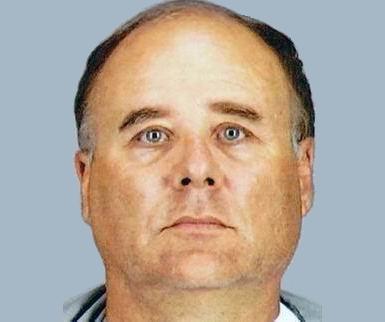
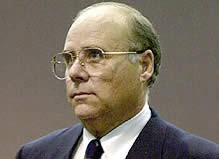
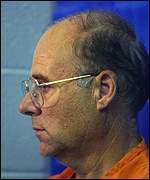
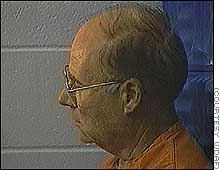
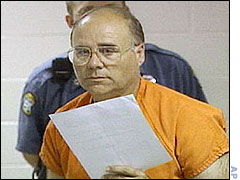
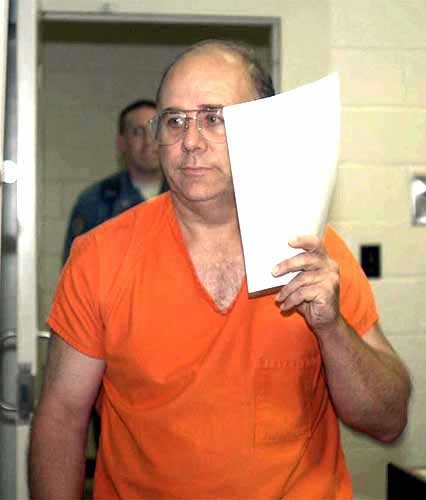
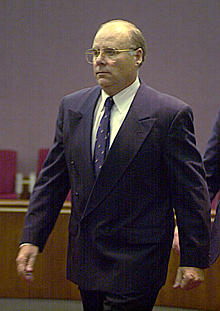
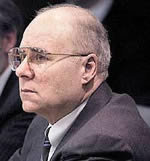
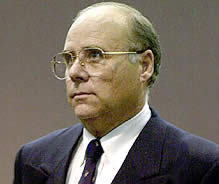
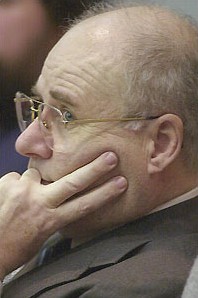
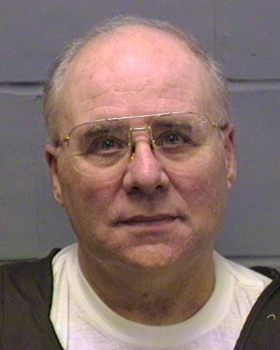
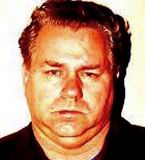
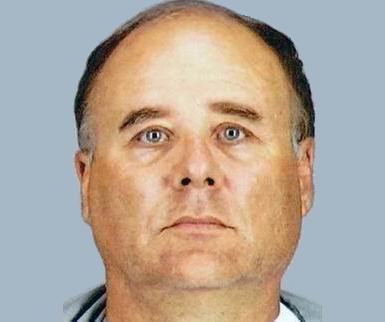
| Identity | John Edward Robinson Sr. |
| Known Aliases | "The Internet's First Serial Killer", "Slavemaster" |
| Criminal Classification | Serial killer, cyber-predator, con artist, and BDSM lust murderer |
| Date of Birth | December 27, 1943 (Cicero, Illinois, United States) |
| Legal Status | Sentenced to capital punishment, incarcerated on death row at El Dorado Correctional Facility (Kansas) |
| Criminal Indictment | Convicted of capital first-degree murder, aggravated kidnapping, grand theft, and identity theft |
| Fatalities | At least 8 confirmed female victims (plus the kidnapping and illicit black-market adoption of an infant) |
| Crime Scenes | Johnson County and La Cygne (Kansas) / Raymore and Kansas City (Missouri), United States |
| Active Period | 1984 – 2000 |
| Modus Operandi | Pioneering the use of early Internet chatrooms and Usenet forums under the online handle "Slavemaster", enticing vulnerable women through fraudulent corporate employment offers or negotiated BDSM dominant/submissive contracts, meeting victims at suburban motels, administering fatal blunt-force cranial trauma with a hammer, sealing bodies inside 55-gallon industrial chemical drums, and concealing barrels inside self-storage units and rural acreage. |
| Motive | Psychopathic sexual dominance, sadomasochistic power fantasies, and systematic financial fraud. |
| Current Status | Incarcerated under sentence of death in Kansas. |
Forensic Synopsis and Criminological Significance
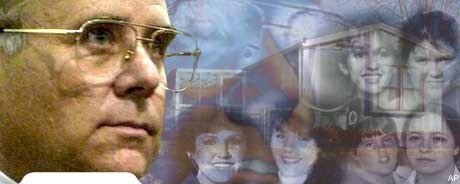
The case of John Edward Robinson Sr. occupies an infamous historical position as the "Internet's First Documented Serial Killer". Operating beneath the facade of a churchgoing family man, suburban grandfather, and local Chamber of Commerce benefactor in suburban Kansas City, Robinson recognized the lethal potential of emerging online technologies long before law enforcement grasped the scope of internet-facilitated predatory crime.
His arrest in June 2000 unmasked an unprecedented crime scene: industrial 55-gallon chemical barrels recovered from his Kansas farm and a Missouri storage locker containing the decomposed, hammer-bludgeoned remains of eight missing women. The trial set lasting forensic precedents regarding digital evidence admissibility, internet service provider subpoena tracing, and IP address geolocation in capital homicide trials.
Origins in White-Collar Fraud: 1984–1990
Born in Illinois, Robinson trained as an X-ray technician before embarking on a career as a high-functioning confidence artist, embezzler, and check kiter:
- The Respectable Persona: Residing in Olathe, Kansas, with his wife and four children, Robinson cultivated a persona as a legitimate corporate entrepreneur and philanthropic patron of boys' sports teams while serving sporadic prison terms for massive commercial frauds.
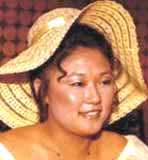
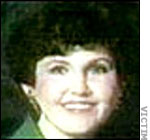
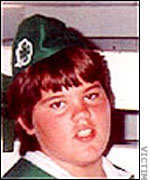
- Early Murders and Infant Theft: In 1984, he murdered 19-year-old Paula Godfrey. In 1985, he targeted impoverished young mother Lisa Stasi (19), murdering her in a motel room, abducting her four-month-old daughter Tiffany, forging private adoption documentation, and gifting the infant to his own unsuspecting brother under the claim that the biological mother had abandoned the child.
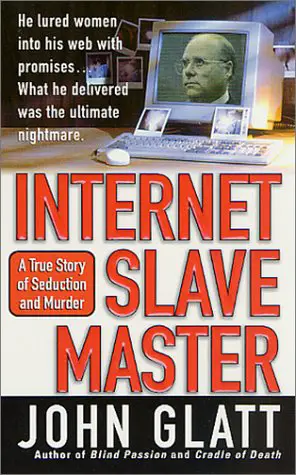
- Transition to the Web (1995–2000): Embracing early internet services including AOL chatrooms and newsgroups, Robinson adopted the screen name "Slavemaster," trolling fetish communities for vulnerable, isolated women whom he lured with high-paying administrative positions or BDSM servitude contracts.
The Barrels and the Digital Trap
Throughout the late 1990s, Robinson perfected a ruthless disposal routine:
- The Hammer Assault: Isolating victims in hotel rooms, he delivered massive blunt-force hammer blows to their skulls, causing fatal compound fractures without producing gunshot noise.
- Chemical Drum Encapsulation: Robinson deposited the bodies into 55-gallon commercial polyethylene drums, added deodorizing chemicals, and welded the lids shut.
- Storage Concealment: He leased commercial self-storage units in Raymore, Missouri, and purchased remote rural acreage in La Cygne, Kansas, to cache the containers. To divert family inquiries, he sent forged typed letters and electronic messages masquerading as the victims, asserting they had relocated out of state.
The Unraveling: Suzette Trouten (2000)
In early 2000, Robinson met 27-year-old Michigan nurse Suzette Trouten online:
- The Disappearance: Enticed by promises of overseas corporate travel to Europe, Trouten relocated to Kansas. Within days of arriving in Overland Park, all communication ceased.
- Digital Tracing: Trouten’s suspicious relatives provided detectives with emails signed by "Slavemaster." Cyber investigators traced the originating IP addresses directly to Robinson's personal home terminal in Olathe.
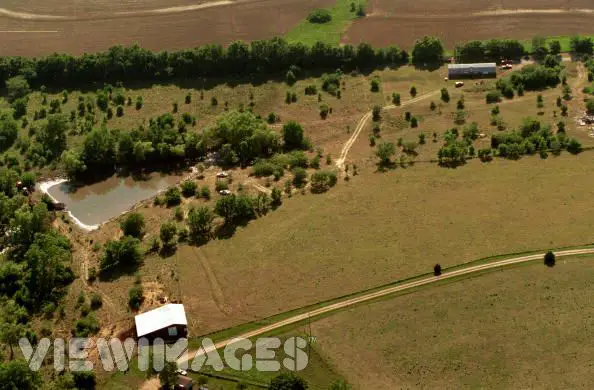
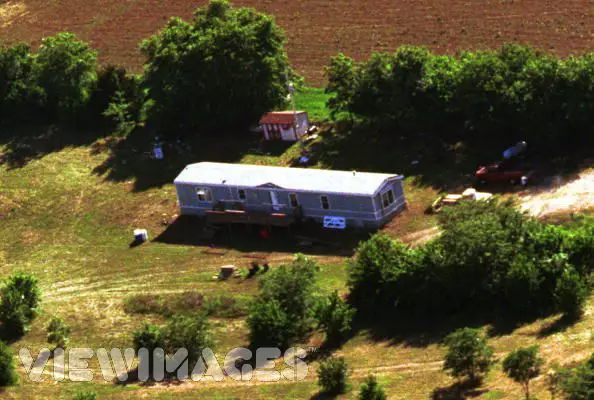
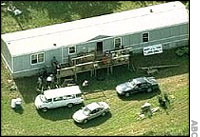
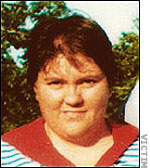
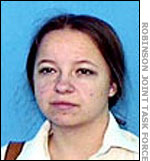
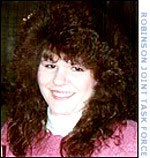
- The Forensic Excavation: On June 2, 2000, task force officers executed search warrants on Robinson’s 16-acre farm in La Cygne. Cadaver dogs located two buried 55-gallon drums containing the bodies of Suzette Trouten and Izabela Lewicka. Searching Robinson’s Raymore storage unit, detectives breached three additional barrels containing the remains of Beverly Bonner, Sheila Faith, and Debbie Faith.
Trial, Death Sentence, and Incarceration
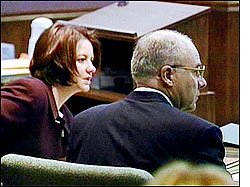
Robinson stood trial in Olathe, Kansas, in late 2002 before District Judge John Anderson III:
- Digital Forensics: FBI computer specialists recovered deleted slave contracts, digital tracking logs, and receipts for the purchase of the chemical drums and the murder hammer.
- Capital Conviction: On November 1, 2002, the jury convicted Robinson of capital first-degree murder and aggravated kidnapping, returning a sentence of death by lethal injection. He remains on death row at El Dorado Correctional Facility in Kansas.