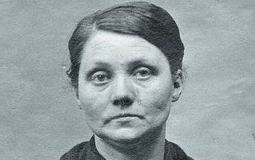
Forensic & Criminological Matrix
| Parameter | Forensic Detail |
|---|---|
| Forensic Heading / Aliases | Christina Johansdotter |
| Legal Identity | Christina Johansdotter |
| Confirmed Victims | 1 child |
| Active Timeline | March 1740 |
| Jurisdiction / Area of Operations | Stockholm, Sweden |
| Criminological Classification | Proxy homicide / Suicide by execution |
| Forensic Modus Operandi | Lethal attack on an innocent infant to force capital punishment through the legal system |
| Weapon / Mechanism of Death | Blunt force trauma and edged weapon |
| Motive / Behavioral Dynamics | Existential despair, desire for capital punishment to bypass religious taboos against direct suicide |
| Judicial Outcome | Sentenced to death by decapitation and post-mortem burning at the stake in 1740 |
1. Background and Psychopathy
Christina Johansdotter was an 18th-century Swedish woman living in Stockholm during the early modern period. Lacking any known prior criminal record, she suffered from profound existential despair and severe melancholia. Within the strict Lutheran cultural framework of Sweden at the time, suicide was viewed as an unforgivable mortal sin that damned the soul and denied the deceased sacred burial, frequently resulting in the confiscation of family property.
2. Crime Spree
In March 1740, driven by a desire to end her life but terrified of the theological consequences of direct suicide, Johansdotter devised a plan classified in criminology as "suicide by execution" or proxy homicide. She deliberately targeted an innocent infant completely unknown to her, murdering the child brutally in Stockholm using blunt force and an edged weapon. Her explicit motivation was neither financial gain nor personal grievance, but rather the commission of a crime so heinous that the judicial system would be legally obligated to sentence her to death.
3. Investigation and Arrest
Stockholm authorities responded swiftly to the violent crime. Far from attempting to flee or conceal her actions, Johansdotter immediately surrendered and confessed to local officials. Police and early forensic examinations quickly corroborated her involvement through physical evidence at the crime scene and her explicit statements.
4. Legal Proceedings and Outcome
During the trial in Stockholm, Johansdotter openly confessed her true motivations, explaining that she wished to die but sought earthly justice and execution to avoid the sin of self-destruction. The Swedish courts handled the prosecution with strict adherence to contemporary penal law, dismissing any notion of leniency.
5. Dictamen Psiquiátrico y Desenlace
From a modern criminological perspective, Christina Johansdotter's case exemplifies the instrumentalization of the penal system by individuals experiencing extreme suicidal ideation. Lacking contemporary psychiatric interventions for severe depression, the 18th-century judicial apparatus fulfilled its punitive mandate. Johansdotter was convicted of premeditated murder, sentenced to death, and publicly executed in Stockholm in March 1740 via beheading followed by the burning of her body at the stake.