




Forensic & Criminological Matrix
| Parameter | Forensic Detail |
|---|---|
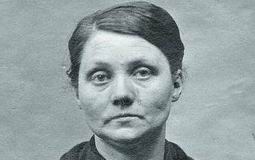
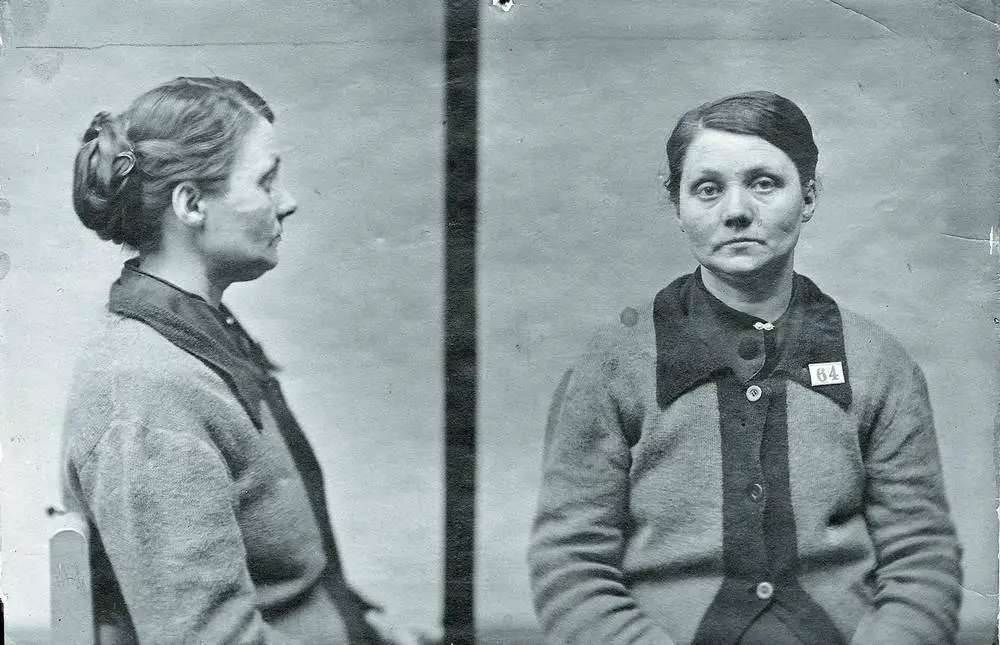
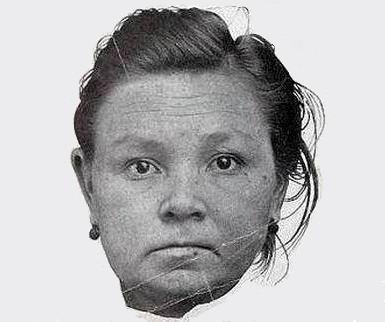
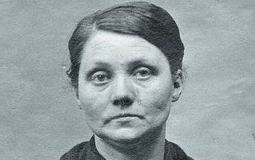
| Full Legal Name | Hilda Nilsson |
| Historical Registered Alias | The Angel Maker of Bruks Street (Änglamakerskan på Bruksgatan) |
| Date of Birth | May 24, 1876, Helsingborg, Kingdom of Sweden |
| Date & Cause of Death | August 10, 1917 (aged 41); death by suicide (hanging) while in custody |
| Historical Jurisdiction | Bruksgatan / Helsingborg, Scania, Sweden |
| Confirmed Victims | 8 legally established infant homicides |
| Suspected Victims | Up to 17 infants entrusted to her care |
| Operational Period | 1915 – May 1917 |
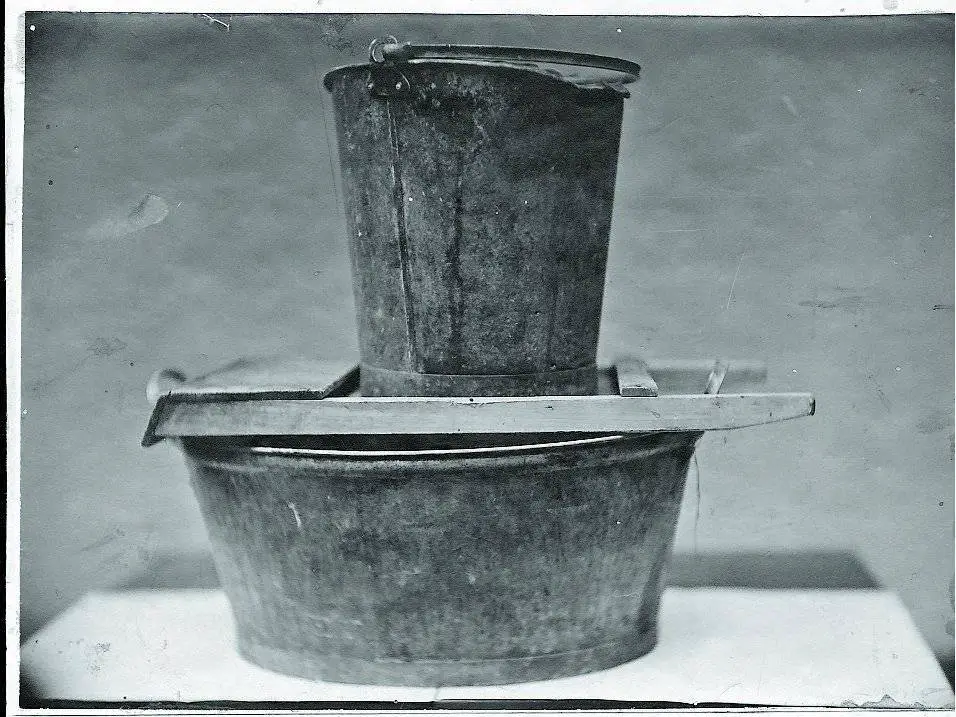
| Fatal Mechanism | Mechanical asphyxiation via forced submersion (drowning in wash basin with ballast) |
| Criminogenic Motive | Sustained financial gain through fraudulent baby-farming operations |
| Historical Legal Milestone | The last individual sentenced to death in Sweden whose sentence was not commuted |
The Socio-Economic System of Baby Farming
Hilda Nilsson is widely recognized as one of Sweden's most notorious serial predators. In early 20th-century Swedish society, severe religious and social ostracism surrounding illegitimate births left impoverished, unmarried working-class mothers with limited options. Many were compelled to engage in "baby farming" (änglamakeri), paying third-party caretakers lump sums or recurring fees to foster their unwanted infants.
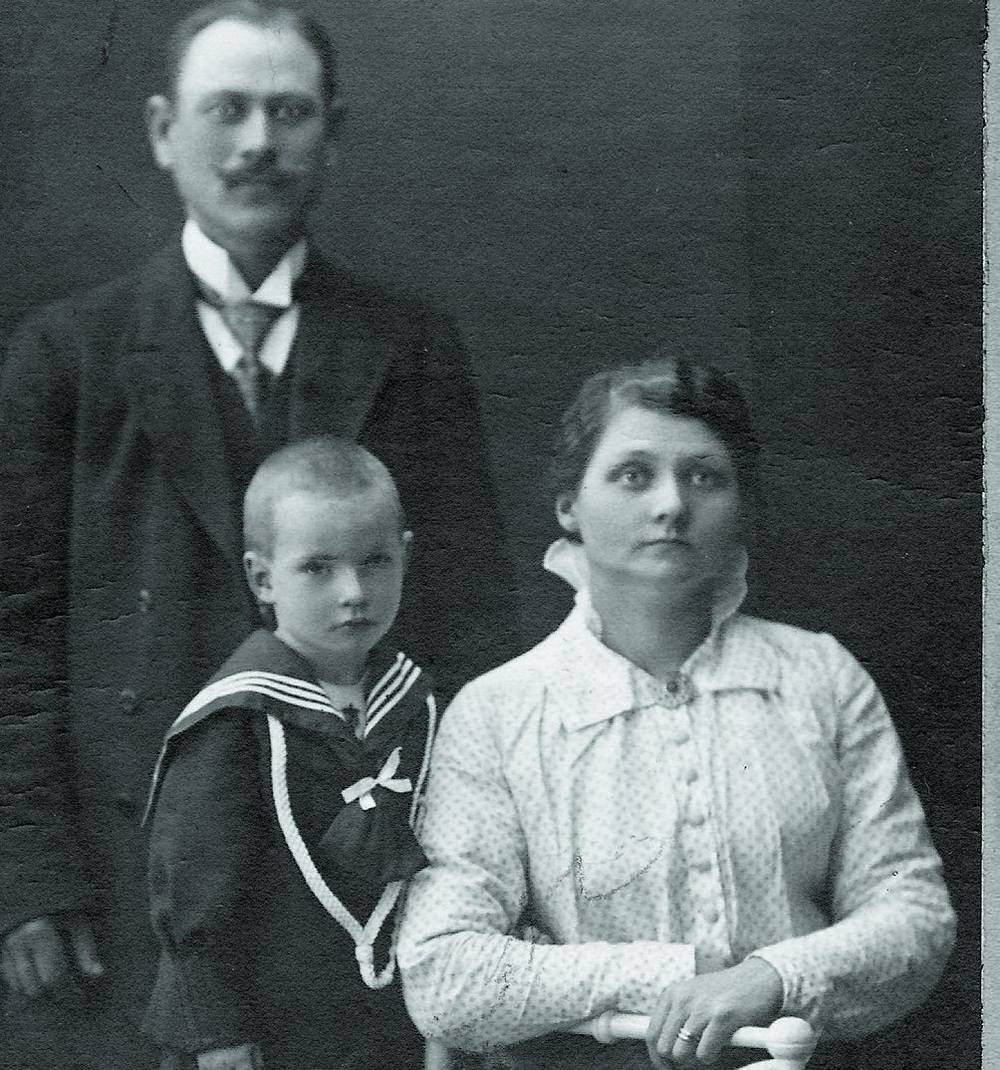
Confronting substantial domestic debts, Hilda Nilsson and her husband Gustaf operated in Helsingborg. Hilda actively solicited infant placements, utilizing her tidy domestic appearance at her Bruksgatan residence to persuade desperate mothers of her suitability as a surrogate caregiver.
Serial Infanticide and Systematic Concealment
The financial retainers accepted by Nilsson were mathematically inadequate to sustain the long-term nutritional and medical care of multiple infants, confirming a premeditated intent to eliminate each child upon receipt.
Her operational methodology remained uniform: shortly after receiving the child and collecting the payment, Nilsson placed the infant into a wooden washtub filled with water, securing a heavy washboard or weighted coal scuttle atop the child's body to ensure complete, uninterrupted immersion. Following drowning, she systematically burned the remains within the household furnace or buried fragments in nearby plots to eliminate forensic traces.
Investigation, Capital Conviction, and Landskrona Suicide
Her predatory enterprise collapsed in May 1917 when a mother, Blenda Henricsson, attempted to visit her infant son. When Nilsson offered contradictory and suspicious explanations regarding the child's whereabouts, Henricsson alerted the Helsingborg police. Search warrants executed at the Bruksgatan property uncovered bone fragments, personal baby clothing, and physical remnants of infant cremations.
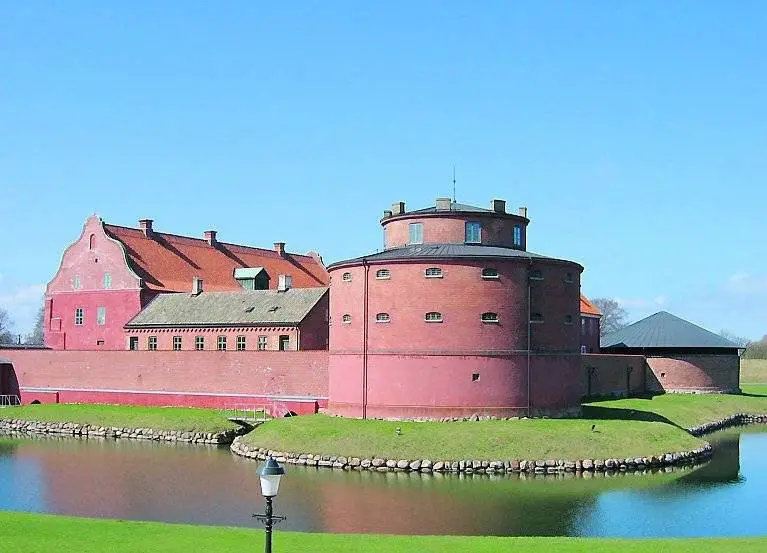
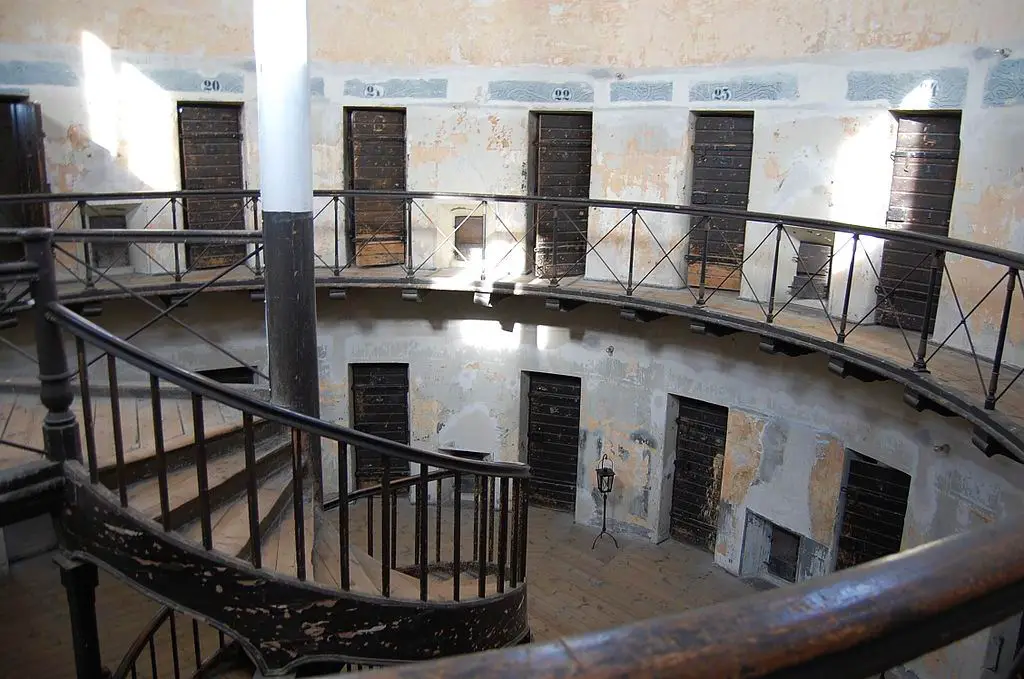
Nilsson confessed to eight murders during formal depositions. On June 15, 1917, the court convicted her of eight counts of premeditated murder and passed a sentence of capital punishment by beheading. However, on August 10, 1917, while awaiting execution inside Landskrona Citadel Prison, Hilda Nilsson died by suicide, hanging herself with a strip of linen affixed to her cell door. Her trial accelerated comprehensive Swedish legislative overhauls establishing rigorous municipal oversight of foster care and protective statutes for children born out of wedlock.