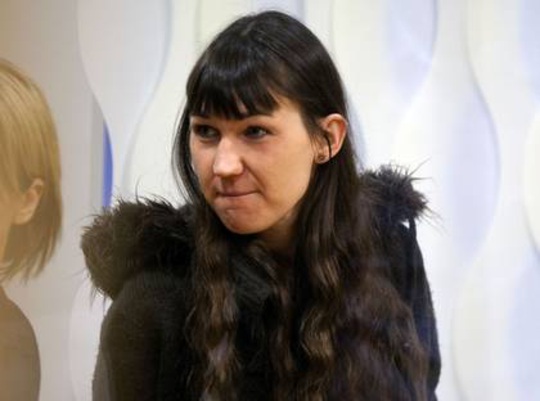




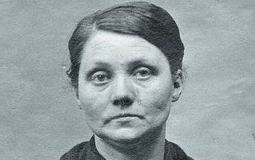
Forensic & Criminological Matrix
| Parameter | Forensic Detail |
|---|---|
| Forensic Heading / Aliases | Christine Schürrer |
| Legal Identity | Christine Schürrer |
| Confirmed Victims | 2 minors (deceased); 1 attempted murder survivor (mother) |
| Active Timeline | March 17, 2008 |
| Jurisdiction / Area of Operations | Arboga, Sweden |
| Criminological Classification | Spree / Vengeance Killer |
| Forensic Modus Operandi | Premeditated home invasion, targeted blunt-force trauma using a hammer against vulnerable sleeping occupants |
| Weapon / Mechanism of Death | Hammer (multiple severe blunt impacts to the cranium) |
| Motive / Behavioral Dynamics | Extreme pathological jealousy and obsession following a failed romantic relationship |
| Judicial Outcome | Convicted of murder and attempted murder; sentenced to life imprisonment (later commuted to a fixed 21-year term and transferred to Germany) |
1. Background and Profile
Born in Germany in 1976, Christine Schürrer led a transient lifestyle prior to the events of 2008. In 2006, while working at a tourist hostel on the Greek island of Crete, she entered a brief relationship with a Swedish man. Following the dissolution of this relationship, Schürrer exhibited escalating signs of obsessive fixation and animosity toward her former partner and his new life in Sweden, ultimately culminating in a premeditated journey to the Scandinavian country.
2. Crime Spree and Modus Operandi
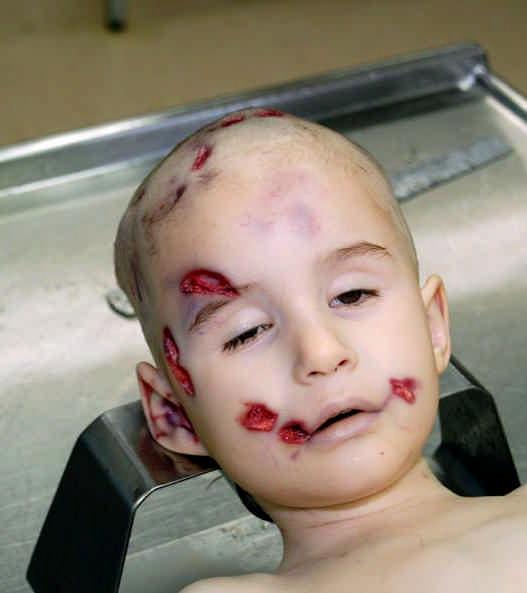
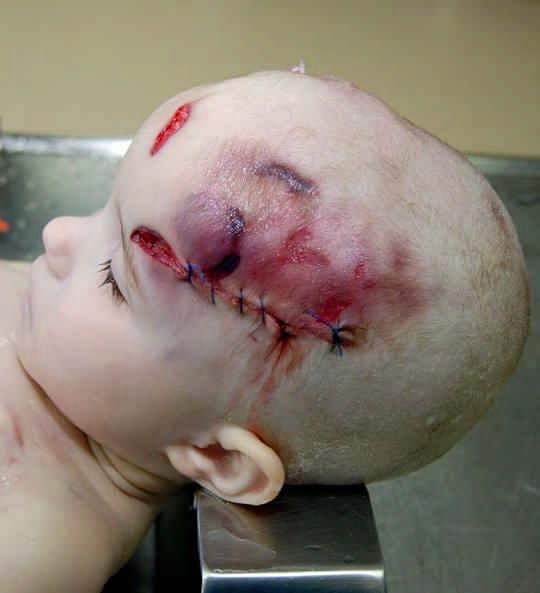
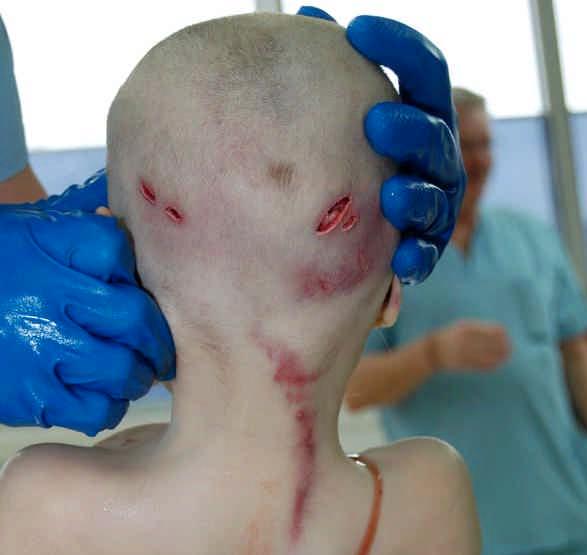
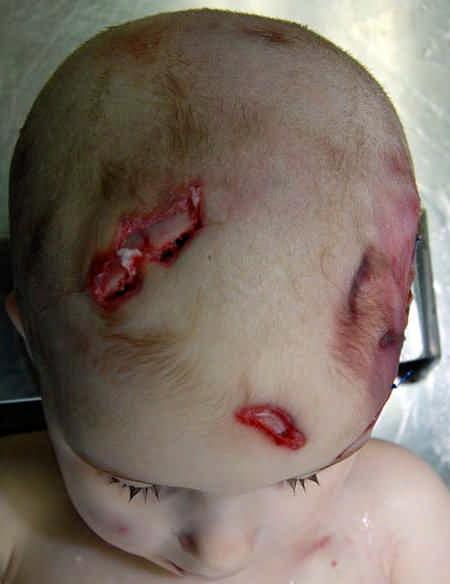
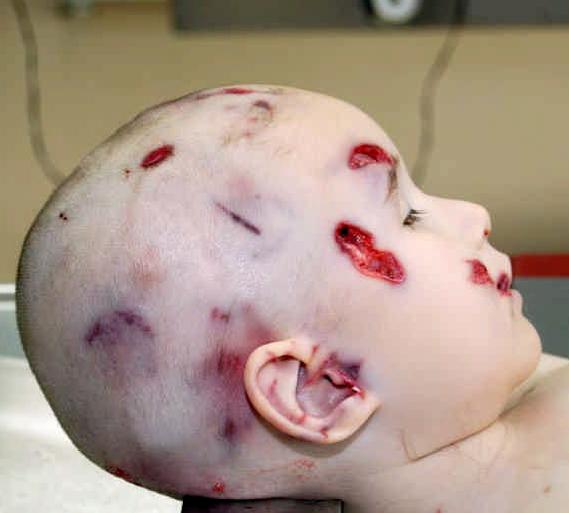
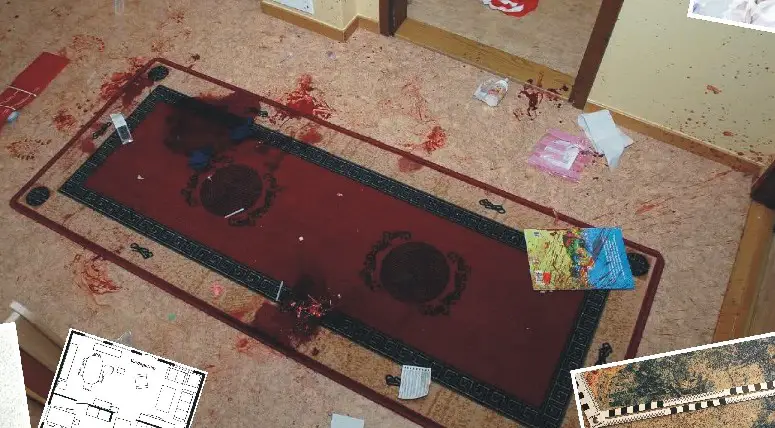
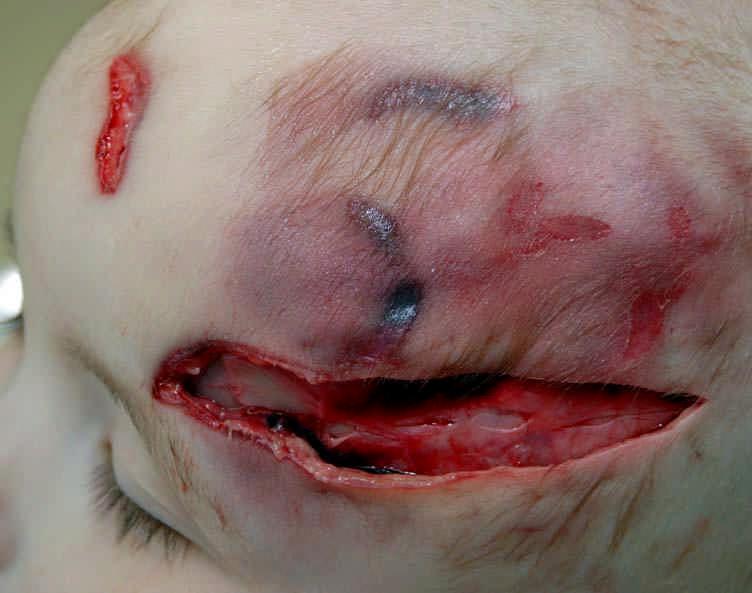
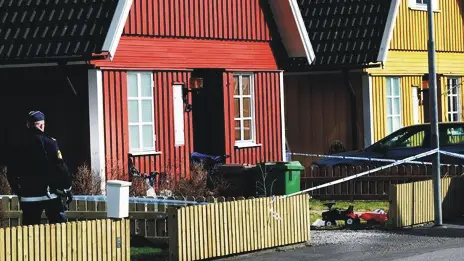
On March 17, 2008, Schürrer carried out a violent home invasion in Arboga, Sweden. Armed with a hammer, she targeted a mother and her two young children. The children sustained fatal cranial trauma, while the mother survived despite enduring fifteen severe blows to the head. The forensic profile indicated high kinetic violence and an intense retributive motive fueled by personal rejection and obsessive jealousy.
3. Police Investigation and Forensic Pursuit
Swedish law enforcement launched a comprehensive forensic investigation following the gruesome discovery at the crime scene. Physical evidence, forensic pathology reports, and digital footprints quickly zeroed in on Schürrer, who had previously attempted harassment and stalking. Investigators successfully recovered the murder weapon and established a definitive timeline linking her movements directly to the residence in Arboga.
4. Legal Proceedings and Outcome
Schürrer was arrested, prosecuted, and subjected to exhaustive psychiatric and forensic evaluations during her trial. The court rejected her denials, finding overwhelming forensic proof of her guilt. She was convicted of double murder and attempted murder, receiving a life sentence. Her sentence was later adjusted to a fixed 21-year term, after which arrangements were made for her transfer to a correctional facility in Germany.