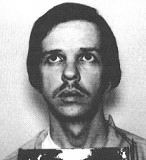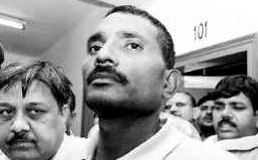




Forensic & Criminological Matrix
| Parameter | Forensic Detail |
|---|---|
| Forensic Heading / Aliases | Butcher of Delhi |
| Legal Identity | Chandrakant Jha |
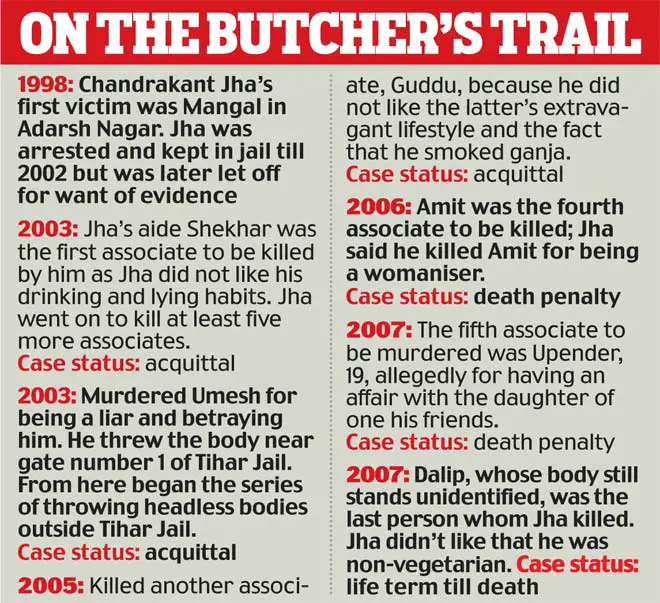
| Confirmed Victims | 6 |
| Attributed / Indicted Victims | 8 |
| Active Timeline | 1998 - 2007 |
| Jurisdiction / Area of Operations | New Delhi, India |
| Criminological Classification | Sadistic Serial Killer |
| Forensic Modus Operandi | Strangulation with nunchakus, post-mortem dismemberment |
| Weapon / Mechanism of Death | Nunchakus, bladed instruments |
| Motive / Behavioral Dynamics | Revenge against police, psychopathic gratification |
| Judicial Outcome | Life imprisonment (death sentence commuted) |
1. Background and Profile
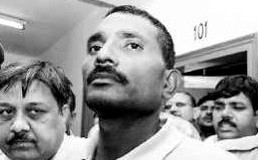
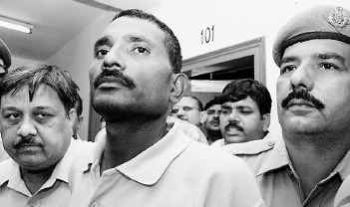
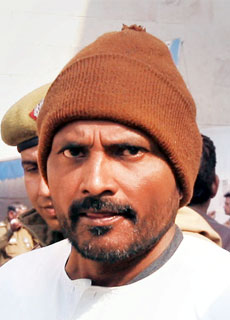
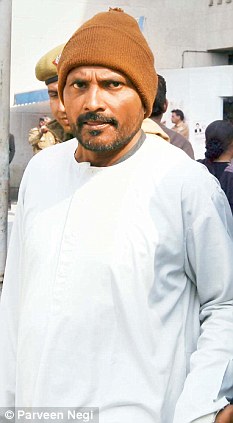
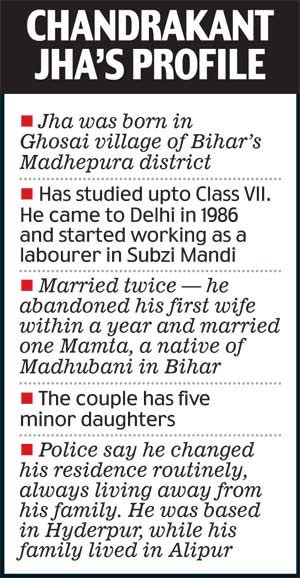
Chandrakant Jha, born in 1967 in Madhepura, Bihar, is a serial killer who operated primarily in New Delhi. He gained the trust of migrant laborers by providing them with jobs and shelter. His psychological profile indicates a severe personality disorder, characterized by extreme volatility and a desire to challenge law enforcement.
2. Criminal Career and Modus Operandi
Jha's murders were often triggered by trivial disputes. He would use nunchakus to strangle his victims before dismembering them with surgical precision. He frequently dumped body parts outside Tihar Jail, often leaving notes that dared the police to catch him, reflecting a deep-seated desire for notoriety and revenge against the authorities.
3. Investigation and Arrest
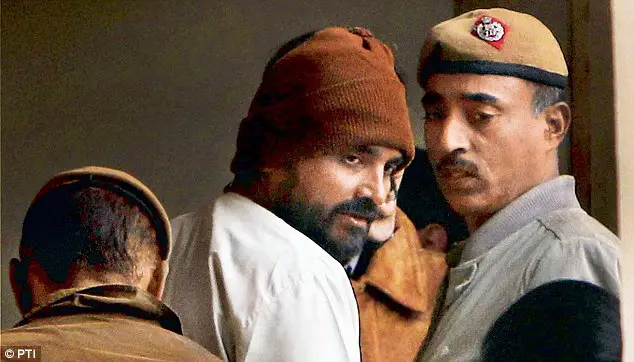
The investigation was hindered by Jha's habit of changing addresses. However, his arrogance proved to be his downfall; he sent letters to the police and made phone calls that provided investigators with crucial leads regarding his past criminal history and his specific grievances against police officers. He was finally apprehended in May 2007.
4. Legal Proceedings and Outcome
Following his arrest, Jha faced multiple trials. Despite an earlier acquittal in 2002 due to lack of evidence, the 2007 case resulted in a conviction. In 2013, a Delhi court sentenced him to death, a sentence that was later commuted to life imprisonment.
5. Psychiatric Evaluation and Conclusion
The court noted Jha's lack of remorse and his calculated approach to murder. He remains incarcerated, serving as a case study for the necessity of police reform and the dangers of unmonitored recidivism.