



Forensic & Criminological Matrix
| Parameter | Forensic Detail |
|---|---|
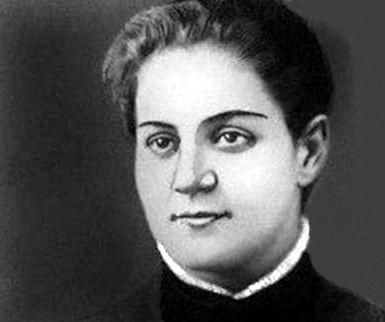
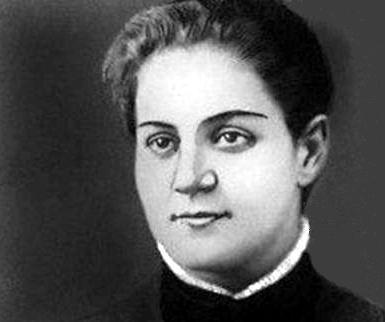
| Identity | Jane Toppan (born Honora Kelley) |
| Known Aliases | "Jolly Jane", "The Boston Angel of Death" |
| Criminal Classification | Healthcare serial killer, medical poisoner, and sexually motivated lethal caretaker |
| Date of Birth | August 17, 1854 (Boston, Massachusetts, United States) |
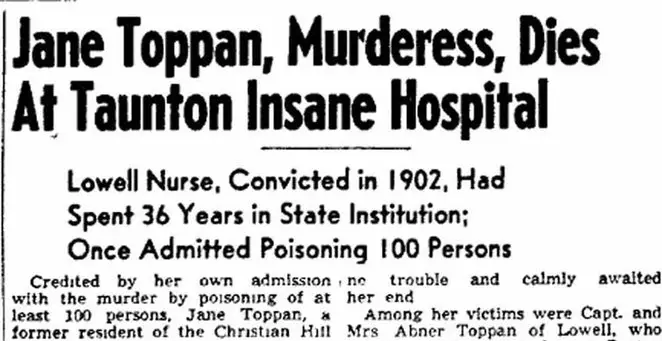
| Date of Death | October 29, 1938 (Aged 84, Taunton State Hospital, Massachusetts) |
| Criminal Indictment | First-degree murder by poisoning of multiple patients and private clients |
| Fatalities | 31 formally confessed murders (forensic estimates reach between 70 and 100 victims) |
| Crime Scene | Boston City Hospital, Cambridge Hospital, and private residences in Massachusetts, United States |
| Active Period | 1885 – 1901 |
| Modus Operandi | Alternating clinical overdoses of morphine sulphate and atropine to induce protracted agonies, combined with tanatophilic paraphilia (sexual arousal derived from holding and embracing patients as they expired). |
| Motive | Psychopathic power, paraphilic sexual thrill, and secondary financial exploitation. |
| Legal Status | Adjudicated not guilty by reason of insanity in June 1902. Committed for life to Taunton State Hospital until her death in 1938. |
Forensic Synopsis and Historical Significance
The case of Jane Toppan (born Honora Kelley) remains one of the earliest and most shocking documented instances of a healthcare serial killer in forensic history. Concealing her lethal pathology beneath a boisterous, reassuring bedside demeanor that earned her the moniker "Jolly Jane", Toppan exploited her professional trust to poison dozens of helpless patients under her direct clinical care.
Unlike poisoners who acted strictly for inheritance or convenience, Toppan derived intense sexual and sadomasochistic gratification from the act of homicide. She explicitly confessed to forensic evaluators that she derived erotic ecstasies from climbing into bed with her comatose victims, clutching them against her body and watching the light fade from their eyes as their breathing seized. Her chilling confession articulated her ultimate drive: «to have killed more people—helpless people—than any other man or woman who ever lived».
Early Life and Background
Honora Kelley was born in Boston into severe poverty following the Great Famine immigration wave. Her mother died of tuberculosis during her infancy, and her father, Peter Kelley, suffered from severe psychotic decompensation and chronic alcoholism:
- Asylum Ward: In 1860, Peter Kelley surrendered young Honora and her sister to the Boston Female Asylum.
- Indentured Servitude: In 1867, she was placed as an indentured domestic servant in the household of Mrs. Ann C. Toppan in Lowell, Massachusetts. Though never formally adopted, she took the family name Jane Toppan.
- Nursing Training: In 1885, seeking professional independence, she entered formal nursing training at Cambridge Hospital.
Clinical Poisoning at Cambridge Hospital
At Cambridge Hospital, Toppan became an immediate favorite among attending physicians and patients due to her cheerful demeanor. Behind closed doors, however, she transformed hospital wards into pharmacological laboratories:
- Morphine-Atropine Combinations: Toppan manipulated prescriptions, using morphine to depress respiration into near-death states, followed by atropine to stimulate heart function and dilate pupils, oscillating her victims between life and death repeatedly.
- Tanatophilic Arousal: She admitted climbing onto the beds of her dying victims, holding them tightly to feel their terminal spasms, achieving orgasmic satisfaction from experiencing the transition from life to death.
- Dismissal and Private Practice: Dismissed for reckless opioid administration, she moved into elite private duty nursing across Cambridge and Boston, where wealthy families paid top fees for her compassionate home care.
The Fall: Annihilation of the Davis Family
In the summer of 1901, Toppan took charge of the household of Alden Davis in Cataumet, Massachusetts, following the sudden death of his wife Mattie. Within weeks, Toppan systematically eradicated the remaining family members:
- She poisoned the eldest daughter, Genevieve Gordon.
- She administered fatal toxic doses to the patriarch, Alden Davis.
- Finally, on August 13, 1901, she poisoned the surviving daughter, Minnie Gibbs.
Suspecting foul play after four sudden fatalities within a single family in two months, surviving son-in-law Captain Leonard Gibbs retained renowned toxicologist Dr. E.S. Wood of Harvard Medical School to perform an autopsy on Minnie Gibbs' exhumed body.
Forensic Evidence, Trial, and Commitment
Dr. Wood discovered massive lethal concentrations of morphine and atropine in the victim’s liver and vital organs:
- Apprehension: On October 29, 1901, Massachusetts authorities arrested Jane Toppan in Amherst, New Hampshire.
- Confession: Confronted with chemical evidence, Toppan confessed in forensic detail to 31 specific homicides, identifying victim identities, dates, and dosages, while noting the true total exceeded 70 individuals.
- Trial: On June 23, 1902, the Barnstable County Superior Court found Toppan not guilty by reason of insanity.
- Confinement: Committed for life to the Taunton State Hospital for the Insane, Toppan lived quietly behind asylum walls for 36 years, dying of senility and natural causes on October 29, 1938, at age 84.