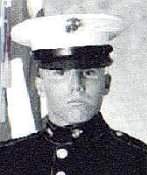
Forensic & Criminological Matrix
| Parameter | Forensic Detail |
|---|---|
| Forensic Heading / Aliases | Rattlesnake James, Rattlesnake Lisemba, Holy Joe |
| Legal Identity | Major Raymond Lisenba |
| Confirmed Victims | 1 |
| Attributed / Indicted Victims | 3 |
| Active Timeline | 1932-1935 |
| Jurisdiction / Area of Operations | Colorado, Alabama, California (USA) |
| Criminological Classification | Serial Killer / Insurance Fraud Murderer |
| Forensic Modus Operandi | Life insurance fraud, snake bites, drowning, staged accidents |
| Weapon / Mechanism of Death | Rattlesnakes, drowning, hammer |
| Motive / Behavioral Dynamics | Financial gain (insurance policies) |
| Judicial Outcome | Executed by hanging (San Quentin) |
1. Background and Profile
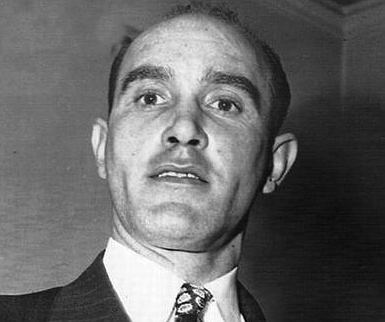
Major Raymond Lisenba, known as Robert S. James, was born in Alabama in 1895. He was a manipulative individual who specialized in insurance fraud. His criminal career was marked by a series of marriages to women whom he insured heavily before orchestrating their deaths.
2. Crime Spree
James's crimes were characterized by meticulous planning regarding insurance policies. In 1932, he staged a car accident in Colorado to kill his wife, Winona Wallace, later drowning her in a bathtub. In 1935, in California, he attempted to kill his wife, Mary Busch, using rattlesnakes. When the venom failed to kill her, he drowned her in a garden pond.
3. Investigation and Arrest
Authorities became suspicious after James attempted to collect double indemnity on his wives' deaths. Following his arrest on unrelated charges, police uncovered the conspiracy involving his accomplice, Charlie Hope, who provided testimony regarding the purchase of the snakes.
4. Legal Proceedings and Outcome
James's trial was a landmark case regarding the admissibility of confessions obtained through prolonged police interrogation. The case reached the U.S. Supreme Court. He was eventually sentenced to death and executed by hanging at San Quentin State Prison on May 1, 1942. The execution was botched, resulting in a prolonged death.