



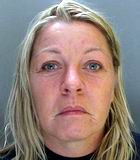
Forensic & Criminological Matrix
| Parameter | Forensic Detail |
|---|---|
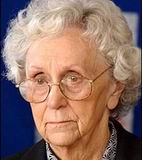
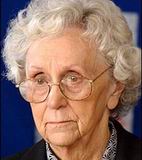
| Forensic Heading / Aliases | Audrey Hingston |
| Legal Identity | Audrey Hingston |
| Confirmed Victims | 1 (Eric Hingston, 83) |
| Active Timeline | August 2003 |
| Jurisdiction / Area of Operations | Plympton, Devon, United Kingdom |
| Criminological Classification | Spousal homicide / Caregiver burnout |
| Forensic Modus Operandi | Nocturnal stabbing of a vulnerable victim, followed by staged crime scene manipulation (burglary simulation) and shifting blame onto third parties |
| Weapon / Mechanism of Death | Edged weapon (knife) |
| Motive / Behavioral Dynamics | Severe caregiver fatigue, clinical depression, and psychological collapse under chronic illness strain |
| Judicial Outcome | Convicted of manslaughter on grounds of diminished responsibility at Plymouth Crown Court |
1. Background and Psychopathy
Audrey Hingston lived with her 83-year-old husband, Eric Hingston—a retired Special Operations Executive pilot who flew agents behind enemy lines during World War II—at their residence on Underwood Road, Plympton. While their long-term marriage had generally been stable, Eric's declining health due to severe heart problems and chronic asthma placed an immense strain on the household. Audrey bore the brunt of daily caregiving duties, which gradually eroded her psychological resilience and precipitated an acute state of caregiver burnout.
2. Crime Spree
In August 2003, operating under extreme emotional duress and frustration, Audrey Hingston attacked her sleeping husband in his bed, fatally stabbing him with a knife. Following the homicide, she spent approximately two hours methodically ransacking the flat to fabricate a convincing crime scene characteristic of a violent home invasion. She subsequently contacted emergency services, initiating a deceptive narrative claiming that burglars had broken in and killed her husband after he woke up to confront them.
3. Investigation and Arrest
Law enforcement authorities were severely misled during the initial phases of the inquiry by Hingston's calculated public appeals and statements to investigators. In September 2003, she held a press conference expressing grief and describing two fictitious young men responsible for ruining her life. Police launched an extensive and costly investigation—costing upwards of £160,000—which resulted in the wrongful arrest of two local men who were later released after forensic analysis and verified alibis cleared them.
4. Legal Proceedings and Outcome
Inconsistencies gathered by crime scene investigators dismantled the burglary hypothesis, forcing law enforcement to redirect the inquiry toward the surviving spouse. Confronted with mounting forensic evidence, Hingston confessed the murder to her son, a former police detective, while in custody. Charged with murder at Plymouth Crown Court, she entered a guilty plea to manslaughter on the grounds of diminished responsibility, which the prosecution accepted in light of her psychological state.
5. Psychological Assessment and Aftermath
Presiding judge Mrs Justice Hallett acknowledged that Hingston suffered from severe mental pressure and illness, yet harshly condemned her calculated deceit in framing innocent individuals and attempting to suggest her husband committed suicide. Despite vehement protests from the victim's family regarding the perceived leniency of the sentence, subsequent political and legal appeals to refer the case to the Court of Appeal for an increased sentence were ultimately rejected by the Attorney General.