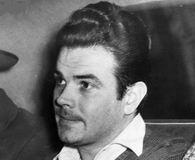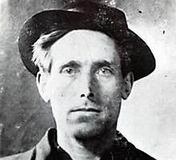
Forensic & Criminological Matrix
| Parameter | Forensic Detail |
|---|---|
| Forensic Heading / Aliases | Joe Hill |
| Legal Identity | Joel Emmanuel Hägglund |
| Confirmed Victims | 2 |
| Attributed / Indicted Victims | 2 |
| Active Timeline | 1914 |
| Jurisdiction / Area of Operations | Salt Lake City, Utah |
| Criminological Classification | Homicide (Controversial) |
| Forensic Modus Operandi | Armed robbery of a commercial establishment |
| Weapon / Mechanism of Death | Firearm (unrecovered) |
| Motive / Behavioral Dynamics | Robbery / Personal dispute |
| Judicial Outcome | Death penalty by firing squad |
1. Background and Profile
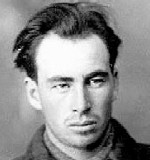
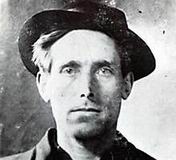
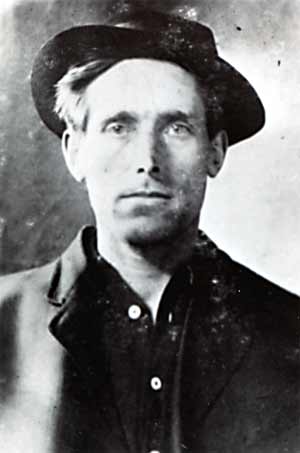
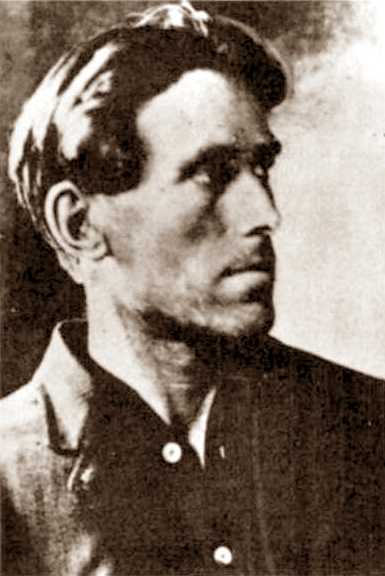
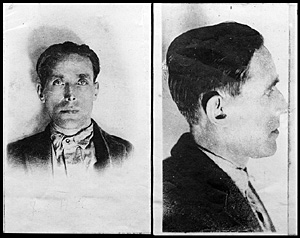
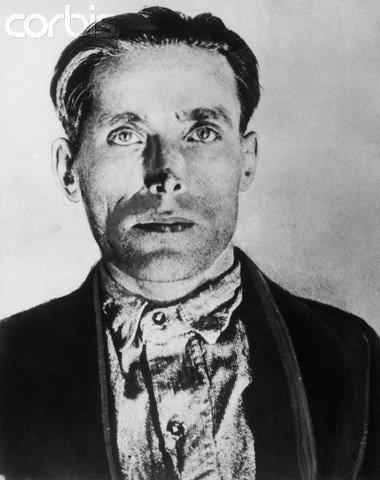
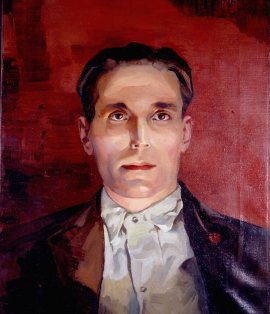
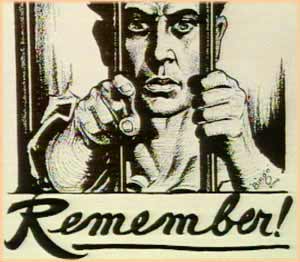
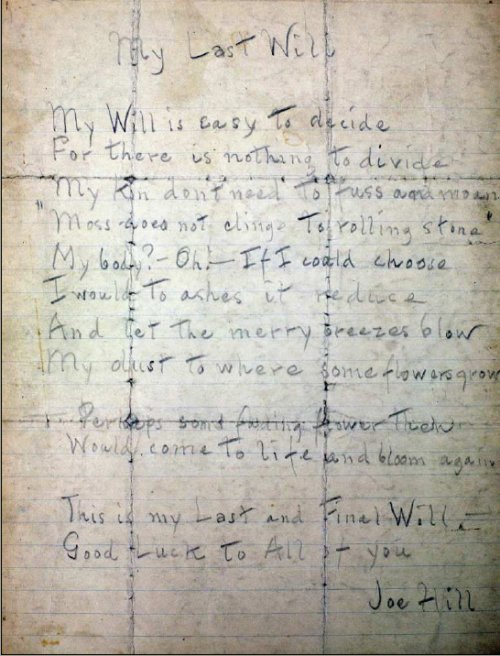
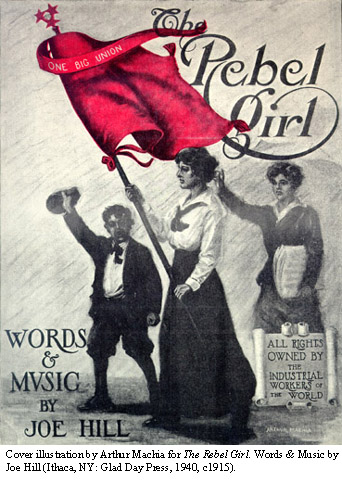
Joel Emmanuel Hägglund, known as Joe Hill, was a Swedish-American labor activist and songwriter. His case remains one of the most debated in American legal history, with significant questions regarding the fairness of his trial and the sufficiency of the evidence presented against him.
2. Crime Spree
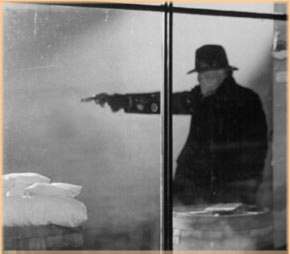
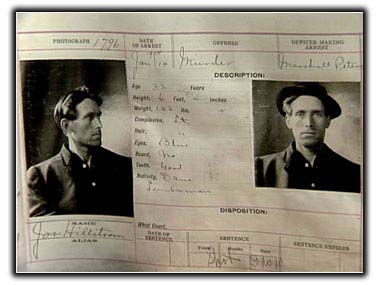
On January 10, 1914, John G. Morrison and his son Arling were killed in their grocery store. The crime involved the use of firearms. Hill was arrested shortly after, suffering from a gunshot wound. He maintained that the wound was the result of a personal dispute, refusing to provide details to protect a woman's honor.
3. Investigation and Arrest
Police focused on the timeline of the shooting and the nature of Hill's wound. The lack of a murder weapon and the absence of definitive eyewitness identification created a significant evidentiary gap that the prosecution filled with circumstantial arguments.
4. Legal Proceedings and Outcome
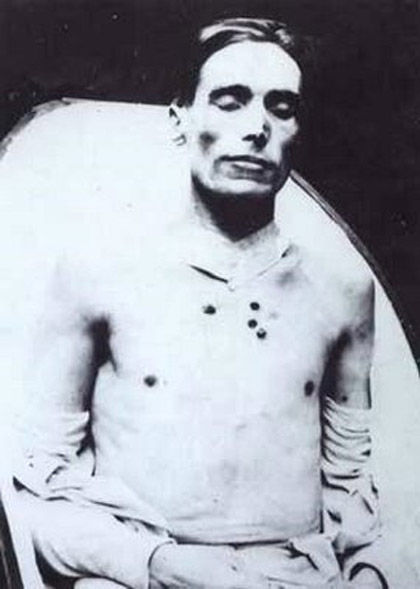
In State v. Hillstrom, the defense argued that the conviction was "utterly lacking in the essential, fundamental elements of proof." The Utah State Supreme Court upheld the conviction, leading to Hill's execution by firing squad on November 19, 1915.